New Horizons data hint at underground ocean
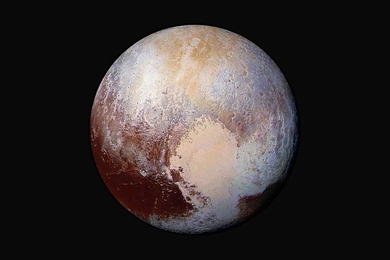
Ice flows and water ice mountains spied by NASA spacecraft support the idea that an interior ocean may be driving geologic activity on Pluto.
Ice flows and water ice mountains spied by NASA spacecraft support the idea that an interior ocean may be driving geologic activity on Pluto.
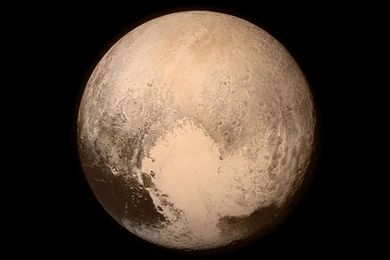
Spacecraft’s close-up images reveal a complex, frozen world.
MIT scientists assist as a NASA mission chases Pluto’s shadow to catch details of its atmosphere.

Geologist Taylor Perron explores river networks on Earth and beyond.
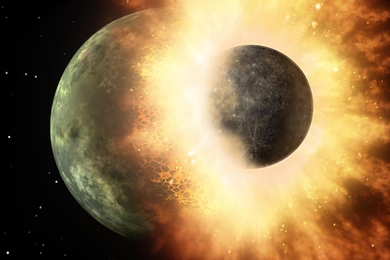
New study finds meteorites were byproducts of planetary formation, not building blocks.
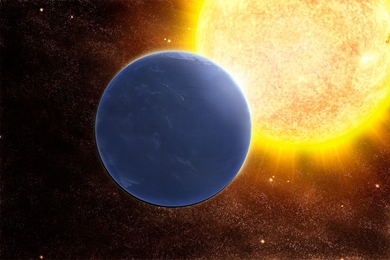
MIT study finds an exoplanet, tilted on its side, could still be habitable if covered in ocean.
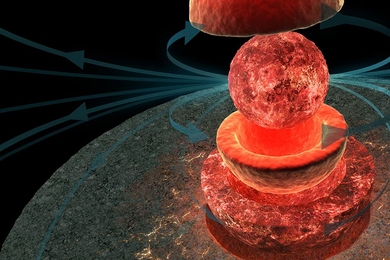
The moon’s molten, churning core likely once generated a dynamo.
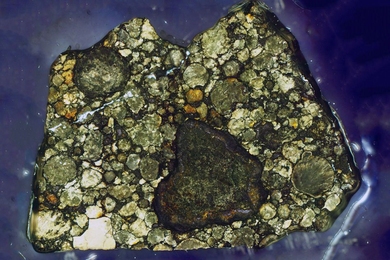
New study finds that a strong magnetic field whipped the early solar system into shape.
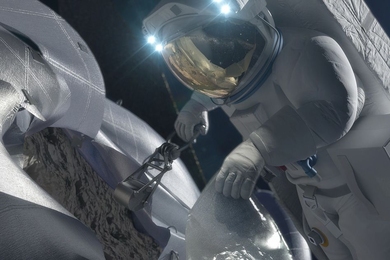
Better options available in thousands of near-Earth asteroids, expert says.
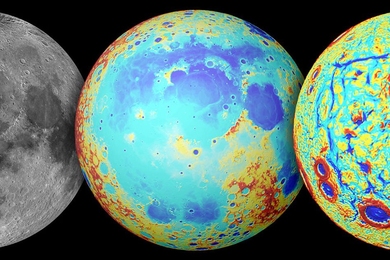
MIT researchers find that a volcanic plume, not an asteroid, likely created the moon’s largest basin.
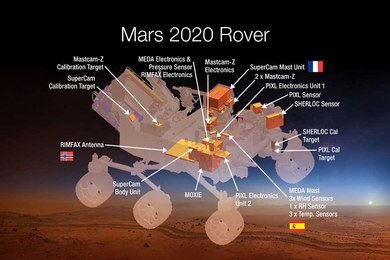
An MIT oxygen-creating instrument has been selected to fly on the upcoming Mars 2020 mission.
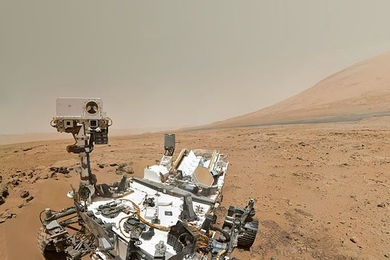
EAPS inaugural Brace Lecture will feature NASA Curiosity rover chief scientist John Grotzinger

Robert Simcoe peers deep into the universe’s past to identify the first stars.
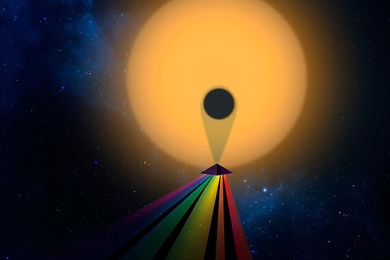
Method will help scientists determine the mass of exoplanets that are not measurable in any other way.