
MIT researchers tackle the economic realities of fusion power
Their new study aims to give budding industry a framework for understanding how fusion can be profitable.
Their new study aims to give budding industry a framework for understanding how fusion can be profitable.
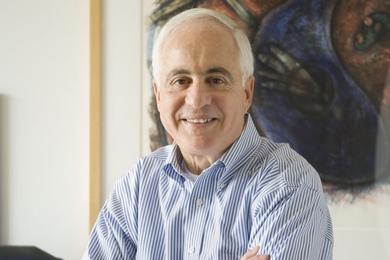
Architect of MIT’s interdisciplinary Program in Polymers and Soft Matter and the PhD in chemical engineering practice is remembered for his passion for mentorship and education.
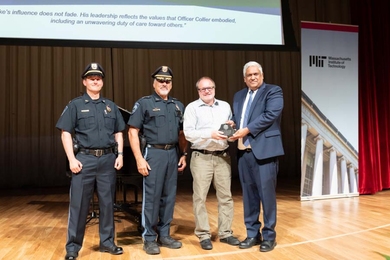
The MIT community celebrated the talent, dedication, and impact of its staff.
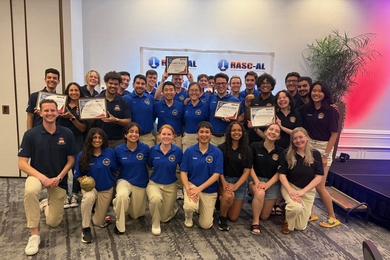
Three MIT teams took five top awards in the 2026 NASA RASC-AL Competition for designing critical elements for the moon base and future missions to Mars.

A new study suggests flexibility in the timing of electricity consumption could lower consumer costs.
“Scientific American” showcases the history and future of America’s scientific engine, highlighting promising young scientists and icons at MIT and beyond.
Enjoy these recent titles from Institute faculty and staff.
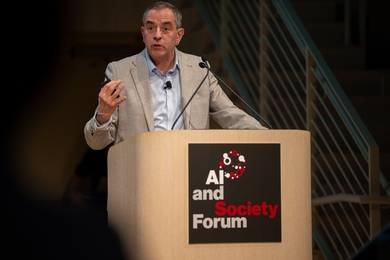
During the AI and Society Forum, leading MIT researchers examined critical questions about AI’s influence on employment and democracy.
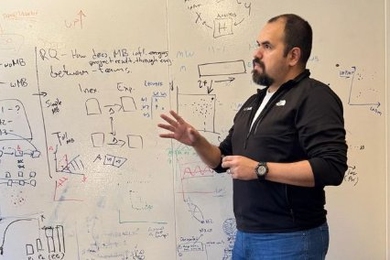
MIT Professional Education helped Ignacio Vazquez SM ’22 bridge technical mastery and strategic insight, leading to his role as MIT System Design and Management industry and certificate director.
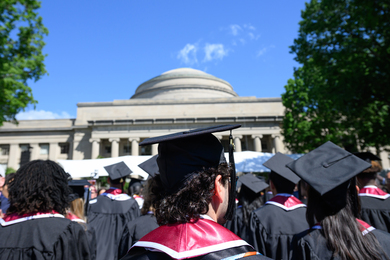
Ranking at the top for the 15th year in a row, the Institute also places first in 12 subject areas.
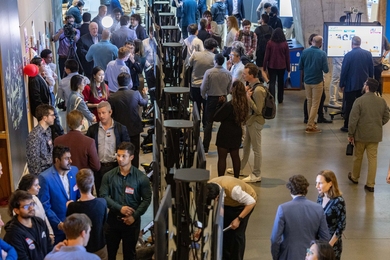
In its first year, INM has worked across research, workforce development, and industry engagement to help accelerate new manufacturing technologies and their real-world deployment.

A Media Lab study shows that, much like how GPS has weakened our navigation skills, AI can make us worse at detecting fake news.
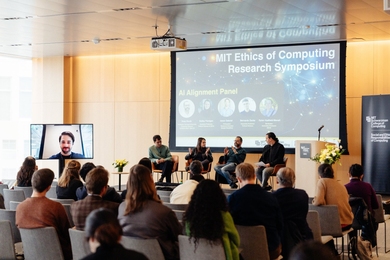
The MIT Ethics of Computing Research Symposium brought together experts and researchers working at the heart of ethical and social impact in technology.
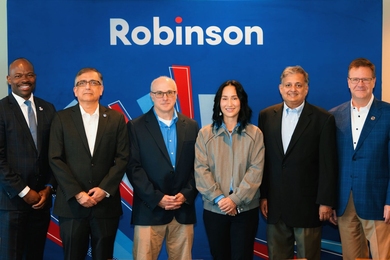
MIT RAISE and Georgia State University announce an initiative to connect universities, community colleges, industry, and government to expand industry-aligned AI training and career pathways.
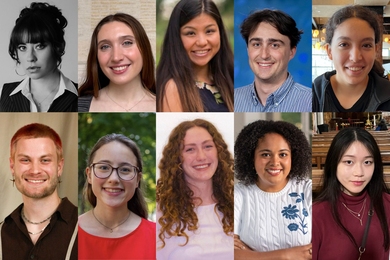
This year, over half of MIT’s Fulbright applicants won awards. The current students and alumni will embark on research projects and teaching abroad in 2026-27.