Biology has long been used in agriculture, medicine, and materials. The 21st century has brought increased investment in biology as a potential tool for humanity’s collective advancement, giving rise to what experts are calling the bioeconomy. The bioeconomy uses renewable biological resources to produce energy, food, health products, and materials.
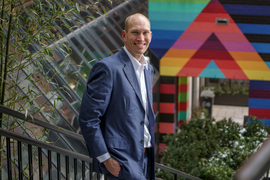
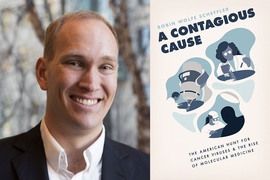
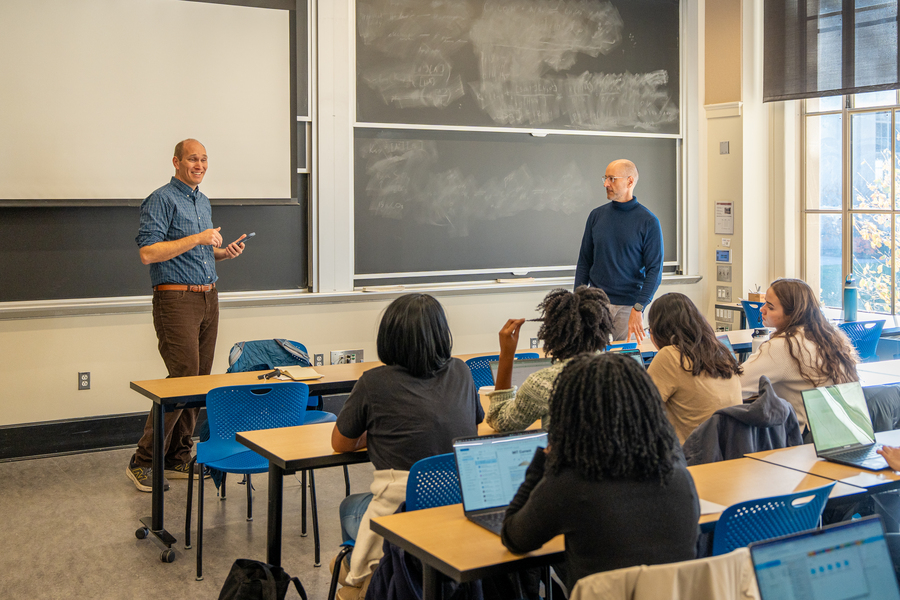
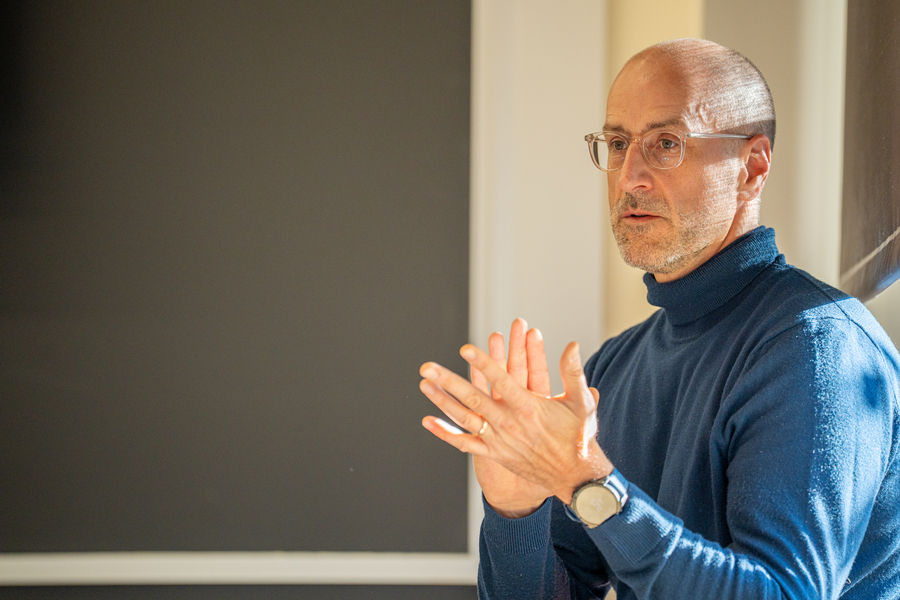
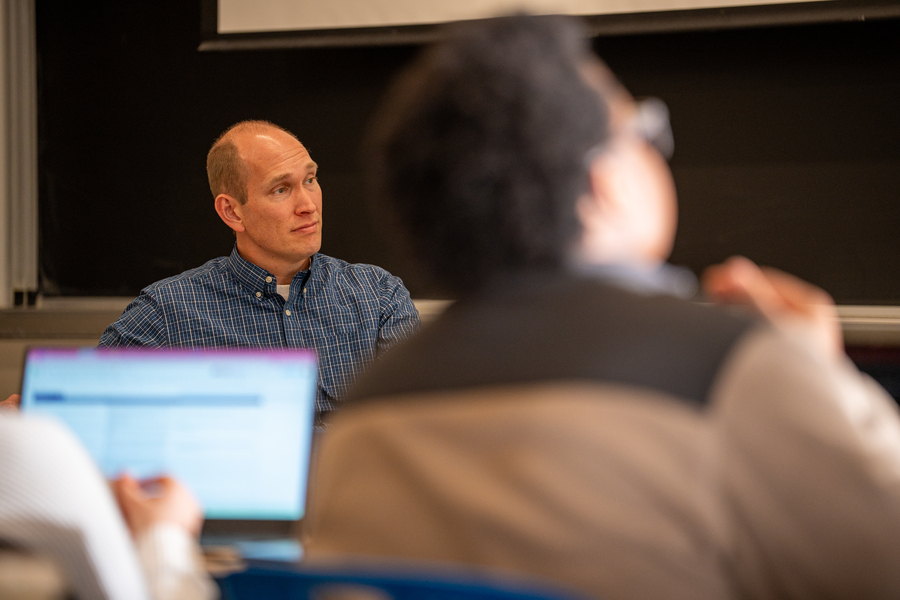
A new undergraduate MIT course, STS.059 (The Bioeconomy and Society), is modeling a holistic approach to instruction in the nuances of bioeconomy. The course was offered for the first time in fall 2025, taught jointly by Mark Bathe a professor of biological engineering, and Robin Wolfe Scheffler, an associate professor of science, technology, and society.
“As an historian, I sought an opportunity to bring the abstract, past facets of the bioeconomy into a modern, measurable, and concrete light,” Scheffler says, while Bathe notes that co-teaching “is a great way to connect educators across disciplines and work out some of the biggest cross-disciplinary challenges related to the bioeconomy.”
Both professors have long-standing interests in the bioeconomy. Bathe’s work focuses on nucleic acids and nanoscale technology, with applications in molecular data storage, therapeutics, and quantum materials, including commercializing several discoveries from his lab. Scheffler is a historian of modern biology and medicine whose interest areas include cancer research, molecular biology, and the Boston biotechnology industry.
Colleagues, knowing both follow similar interests, recommended they connect.
“Our meeting was a quintessential MIT moment — serendipitous, featuring an alignment of interests and values,” Bathe says.
“We were interested in the same things, and our ideas were shaped by our different perspectives, which was exciting,” Scheffler says. “We were each wandering around MIT with a part of the puzzle.”
Before connecting, both were already considering how to spend the next phase of their careers. The bioeconomy was a logical meeting point.
“The bioeconomy stood out as the single most important thing I could help support,” Bathe says. “As technologists and engineers, we look into the future. Historical scholars look to the past. Together, these two different perspectives are essential to progress in this complex industrial transition.”
Their new course, developed with the support of an MIT Energy Initiative grant, is a continuation of a SHASS+ Connectivity Fund project provided by the MIT Human Insight Collaborative (MITHIC) the professors have been co-leading over the past year.
“MITHIC is helping connect faculty across disciplines and schools who are investigating similar questions and whose work could benefit from engagement,” Scheffler says. “Making these ideas make sense demands a unified approach.”
With the support of an initiative like MITHIC, he argues, students and faculty can focus interdisciplinary energies on improving outcomes and producing innovative solutions.
Training the next generation of bioeconomy thinkers
Teaching a course focused on the bioeconomy presents inherent challenges, the professors say. The issues under discussion span the humanities, social sciences, and engineering. They include research and development, investment strategy, workforce development, public awareness and acceptance of bio-based products, safety and ethics, the use of artificial intelligence, environmental protection, and social equity.
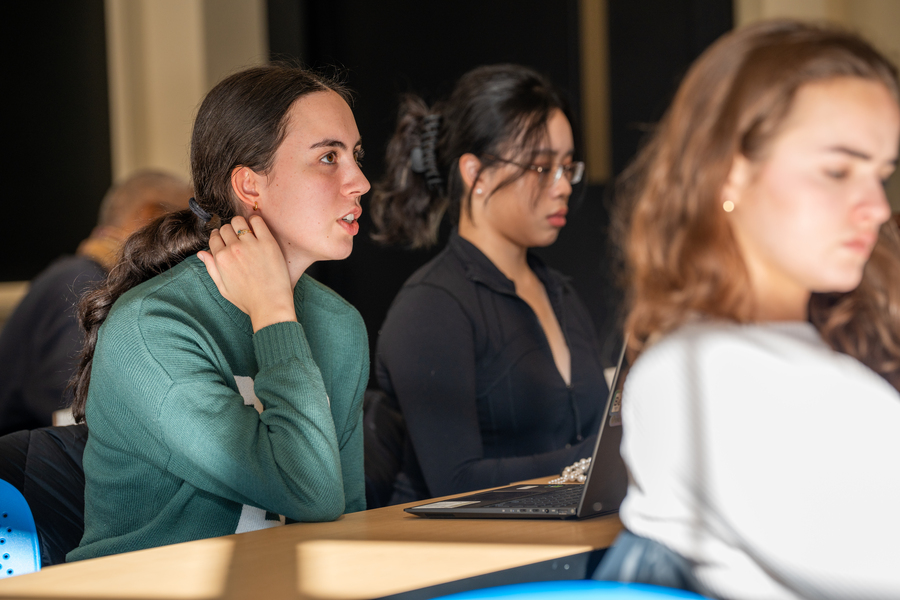
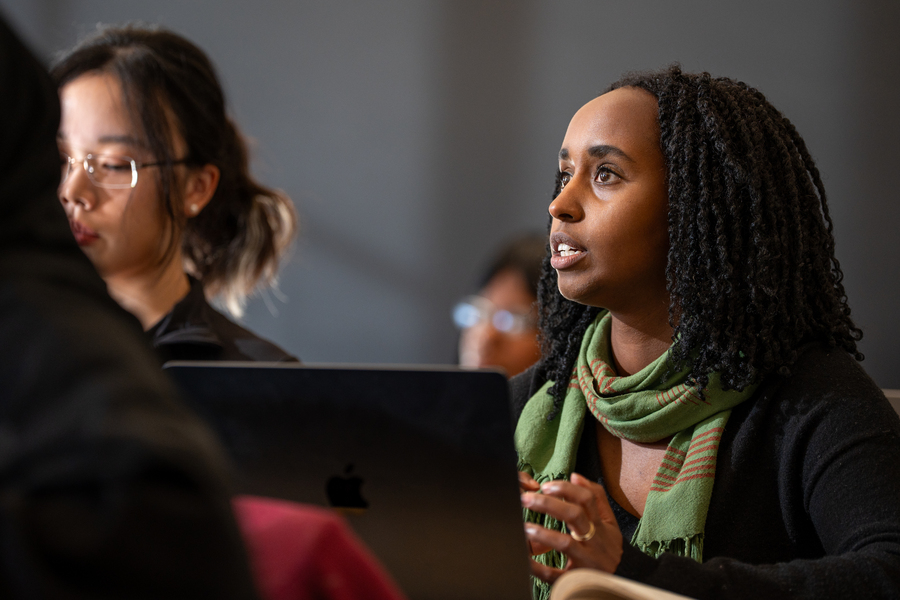
In their course, the professors invited students from various disciplines to work in groups that investigated challenges presented by the bioeconomy. The composition of the groups changed throughout the semester, which allowed students to explore different avenues of inquiry and group dynamics. The shifting team compositions and perspectives appealed to both the instructors and the students enrolled in the course’s inaugural run.
“There are many more actors in science than I previously understood, including historical context, socioeconomic impact, and regulatory considerations,” says Dominique Dang, a junior studying computer science and molecular biology. “Working with other students helps me to consider these factors in new and interesting ways.”
“At MIT, we focus so much on technology that it was new and refreshing to research related considerations,” says Heather Jensen, a junior biological engineering major. “I enjoyed the opportunities to think critically with other students about how these phenomena might work.”
While the bioeconomy currently benefits from bipartisan investment and support in the United States because of its potential beneficial impact on urban and rural populations and national security, political headwinds can shift. The system, like any business, must demonstrate value while keeping its eyes on the human element.
“We want to send students out into the world with the ability to ‘walk the walk’ when it comes to effective problem-solving,” Scheffler says.
“The core of any industry is the workforce,” Bathe continues.
While both acknowledge the rapid pace of technological advancements and investment and their impacts on the bioeconomy, they want to ensure students avoid the classic “two cultures” dilemma. It’s important that social scientists and humanists understand the technical innovations that make the new bioeconomy possible. It’s equally important that scientists and engineers remain aware of the social and political factors guiding innovation and outcomes.
Individually, Bathe and Scheffler discovered that their students were interested in these interrelated ideas and were frustrated because they couldn’t combine these different perspectives in their classes. Thus, the professors made collaboration and the resulting exchange of ideas essential in the course.
“I’m interested in studying bioremediation,” Jensen says, “but it’s important to broaden my perspective on why these technologies are important, discover whether or not they’re economically viable, and their potential and actual impacts.”
“These issues impact the work I plan to do in the pharmaceutical industry,” Dang adds.
The convergence of biology, biotechnology, and biological engineering promises to transform the production of fuels, food, materials, and medicines through sustainable processes based on bacteria, fungi, algae, and plants, Bathe and Scheffler argue. Institutions like MIT are uniquely positioned to provide education and support for the next wave of innovators in these spaces. The professors believe it’s important to engage students and technology early.
“A technology’s greatest potential exists at the beginning of its development,” Scheffler argues.
Education, innovation, and the bioeconomy
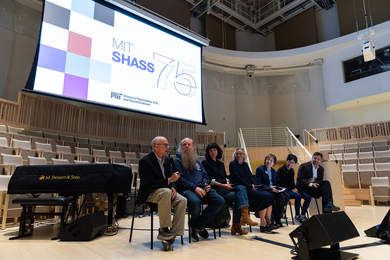
MIT’s education ecosystem creates space for efforts like the MITHIC-funded Bioeconomy Seminar Series. For Bathe and Scheffler, however, it’s important to offer students opportunities to challenge orthodoxy. Both laud students’ commitment to generating big ideas and attacking real-world problems while helping improve their teaching. “MIT students challenge faculty to reconsider deeply-held ideas and investigate assumptions,” Bathe says.
“I want students to visualize the entirety of the social, political, practical, and ideological elements that make the bioeconomy meaningful,” Scheffler asserts. Both champion a team-driven approach to innovation and investigation that balances perspectives and gives diverse interest areas opportunities to go exploring. Each holds space for scientific rigor.
Altering the student groups’ compositions can keep ideas fresh and help avoid stagnation. They want students to explore and invest in proven technology while also making space for “moonshots,” those way-outside-the-box ideas that can yield amazing discoveries.
The big ideas and potential solutions are desired outcomes, although both students and professors cite the collaboration as a key draw for the course.
“This course has opened my eyes to new innovations in sustainable processes and given me a series of ‘lenses’ through which to view technologies and their impacts, ranging from historical to socioeconomic and technological,” Jensen says. “The guest speakers were also super interesting.” The guest speakers included:
- Chris Love (medicine), the Raymond A. (1921) and Helen E. St. Laurent Professor of Chemical Engineering in MIT’s Department of Chemical Engineering, who discussed the biomanufacturing of medicines for scalable, low cost, point-of-care production;
- David Des Marais (food), the Amgen Career Development Professor in MIT’s Department of Civil and Environmental Engineering, who described research into and advances in next-generation, plant-focused genetic engineering in agriculture, increasing crop yields, and resistance to droughts and pathogens;
- Victor Seow (energy), a Harvard University professor who discussed his book “Carbon Technocracy” — an exploration of fossil fuel energy regimes’ growth in East Asia — and helped the class consider the political and economic dimensions of energy consumption; and
- Ellan Spero (materials), an instructor in MIT’s Technology and Policy Program and the Department of Materials Science and Engineering, who discussed the trajectory of bioplastics since the early 20th century through the material-politics of “chemurgy,” an effort to convert agricultural waste and surplus into new industrial materials.
“When faculty teach, they create learning opportunities for themselves and the students,” Bathe says. “Working with Robin, other faculty, and scholars inside and outside MIT helps me and our students consider past lessons as we transition into the bioeconomy.”
“Making these ideas make sense demands a cross-disciplinary approach,” Scheffler notes. With the support of an initiative like MITHIC, he argues, students and faculty can focus interdisciplinary energies on improving outcomes and producing innovative solutions.
“MITHIC has offered funding that allows for exploration and idea generation, while also creating space for students to learn the value of educational breadth,” Bathe continues. Properly preparing students to harness and shepherd the bioeconomy through its growth is a worthy undertaking, the students and professors believe.
“Consistent educational integration is key,” Scheffler says. Both students and their professors believe that the bioeconomy, related research, and those investigating its potential will benefit from MIT’s focus on inclusive investigation.