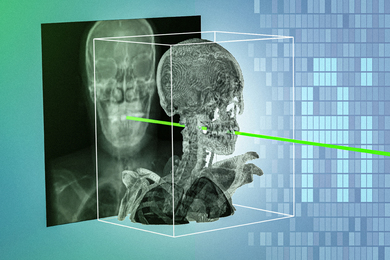
New AI technique could make minimally invasive surgeries safer and more precise
This patient-specific method, called xvr, helps doctors use X-rays for surgical navigation in fields such as orthopedics and neurosurgery.
This patient-specific method, called xvr, helps doctors use X-rays for surgical navigation in fields such as orthopedics and neurosurgery.
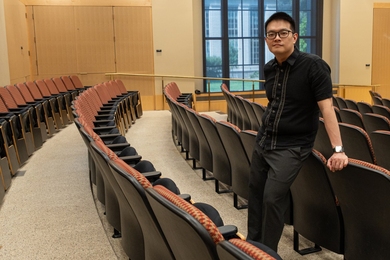
Graduate student Lyonel Tanganco investigates how to improve public policy interventions and address challenges in nutrition, climate, and development.

MIT researchers’ approach, which uses naturally occurring sugars as antifreeze, could make it easier for hospitals to deploy this type of cancer treatment.
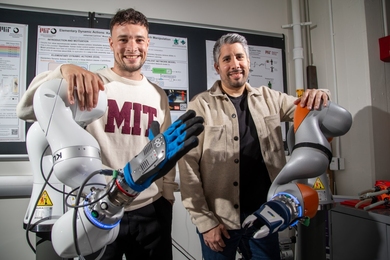
MIT engineers introduce an adaptive physical therapy system that uses generative AI to learn from physical therapists and interactively support stroke patients.
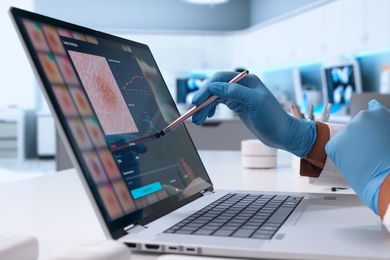
Study finds non-experts deferred to LLM-based diagnostic assistance, even when it was wrong, while clinicians caught AI errors.

The visionary PhysioNet platform launched 25 years ago, based on a system developed at MIT in the 1970s. It has become one of the most comprehensive biomedical and clinical data repositories in existence.
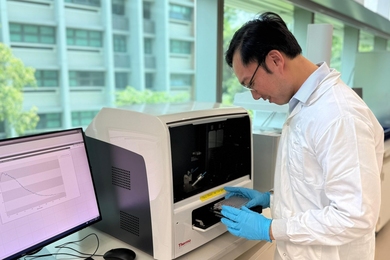
Researchers developed an optical nanosensor to rapidly detect a key gut biomarker, enabling faster, accessible screening.
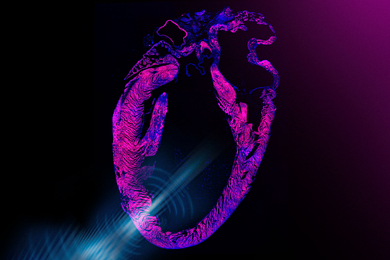
The new design could offer a surgery-free alternative to traditional cardiac implants.
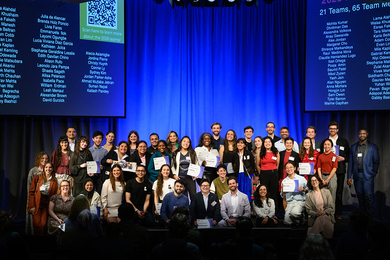
At the 25th IDEAS Social Innovation Incubator Showcase and Awards, 21 student-led ventures joined 1,200 alumni-led ventures tackling the world’s most pressing problems through social entrepreneurship.

Nearly 100 MIT students participate in a buddy program that assists Boston-area residents.

Founded by Jake Donoghue PhD ’19 and former MIT researcher Jarrett Revels, the company is creating an AI-driven platform to help diagnose and treat disease.

Economists find that in metro areas with more immigration, nurses are spending more time with elderly patients.

MIT researchers leveraged a surprise discovery to devise a faster and more precise biomedical imaging technique.

Ultra-efficient chip design enables extremely strong cryptography algorithms to run on energy-constrained edge devices.

An MIT-led team is designing artificial intelligence systems for medical diagnosis that are more collaborative and forthcoming about uncertainty.