Bridging science and society in the emerging bioeconomy
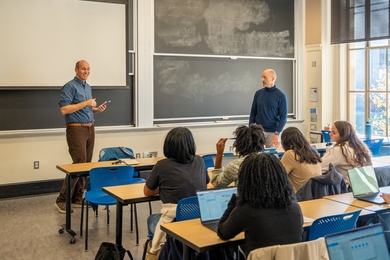
In STS.059 (The Bioeconomy and Society), students explore the social and political factors at work in the biology, biotech, and biological engineering sectors.
In STS.059 (The Bioeconomy and Society), students explore the social and political factors at work in the biology, biotech, and biological engineering sectors.

Angela Koehler, Iain Cheeseman, and Katharina Ribbeck are shaping the collaborative as a platform for transformative research, translation, and talent development across MIT.
MIT computer scientists developed a way to calculate polygenic scores that makes them more accurate for people across diverse ancestries.
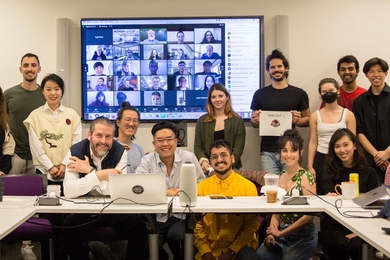
A pandemic-fueled transformation of the MIT course MAS.S64 (How to Grow (Almost) Anything) leads to next steps in democratizing synthetic biology.
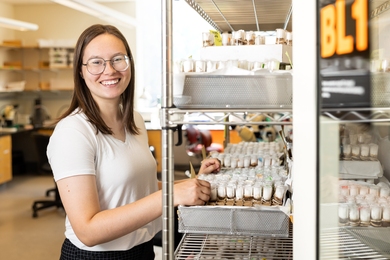
Payton Dupuis finds new scientific interests and career opportunities through MIT summer research program in biology.
Online MICRO internship program brings remote opportunities to undergrads.
The award recognizes Weinberg’s pioneering achievements in the field of cancer biology.
Laureates recognized for contributions to climate change, biomedicine, and quantum cryptography.
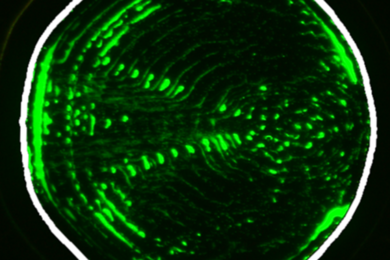
Device developed within the Department of Civil and Environmental Engineering has the potential to replace damaged organs with lab-grown ones.
SMART's new Critical Analytics for Manufacturing Personalized-Medicine (CAMP) group aims to overcome challenges in life-changing cell therapies.
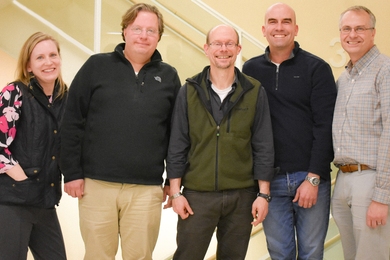
New cancer research initiative eyes individualized treatment for patients.
Industry leaders, patient advocates, and policymakers collaborate to lower barriers to potentially curative treatments.
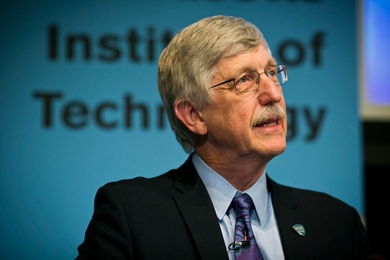
In Compton Lecture, NIH director details the importance of reaching out to others.

Collins to present “Exceptional Opportunities in Biomedical Research.”
Nanoscale, biodegradable drug-delivery method could provide a year or more of steady doses.