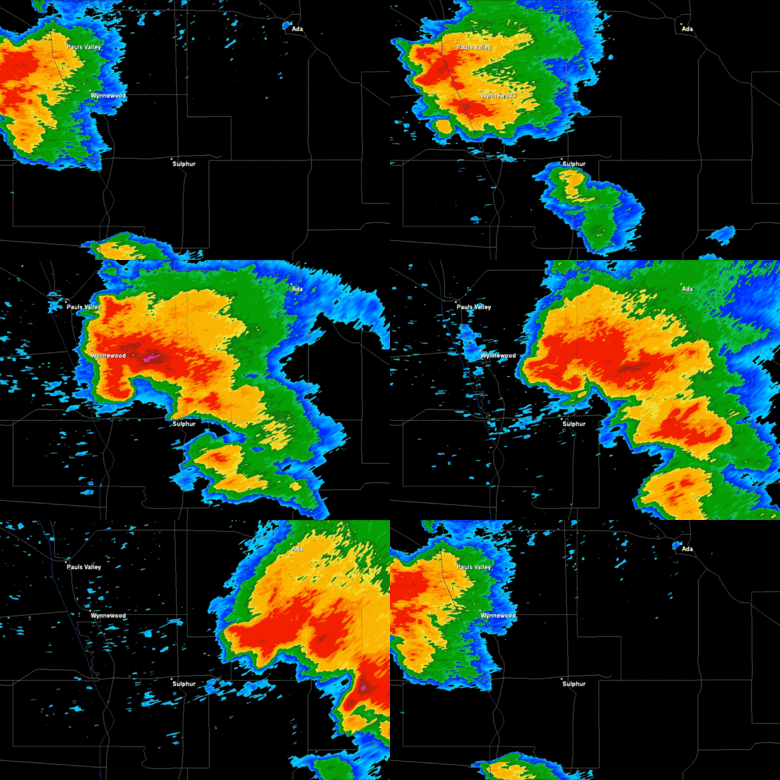
Researchers improve weather forecasts looking two to six weeks out
A new machine-learning approach broke records for weather forecasting for an important time frame in emergency planning.
A new machine-learning approach broke records for weather forecasting for an important time frame in emergency planning.
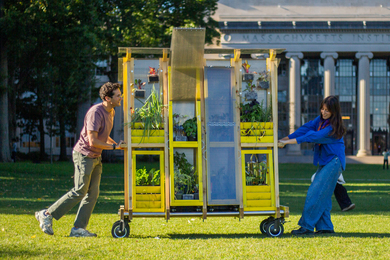
Co-founders Aleks Banaś and Zachary Rapaport see architecture and farming as deeply complementary disciplines. Their nascent club is having a sizeable impact at the Institute.
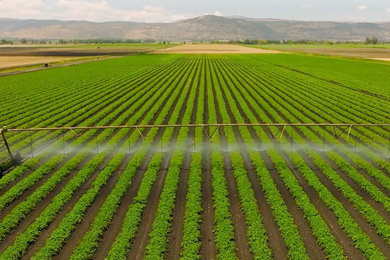
Led by Andee Wallace PhD ’20, Robigo uses cutting-edge biotechnology to engineer microbes to fight pests, reducing the need for harmful chemical pesticides.
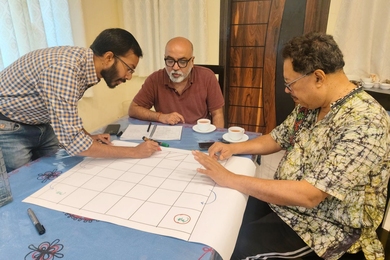
Climate scientist Sai Ravela is using games to help coastal communities find creative adaptations to climate change.
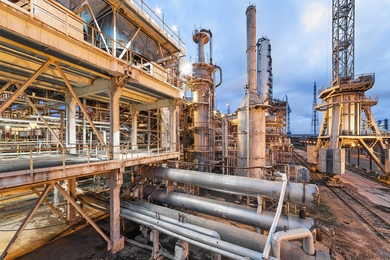
New MIT research could lead to better materials for a fossil-fuel-free process for making the chemical that's essential to fertilizer and other products.
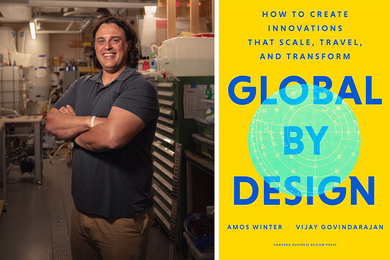
A new book coauthored by Professor Amos Winter asserts that, to solve major challenges and deliver products of value to consumers in both developed and emerging markets, innovators must think and act globally.
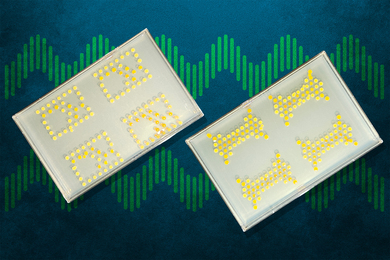
By wiring together colonies of these bacteria, the researchers built circuits that can perform complicated calculations.
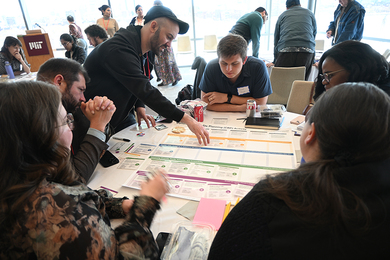
Living Climate Futures Symposium explores climate challenges and solutions at the community level.
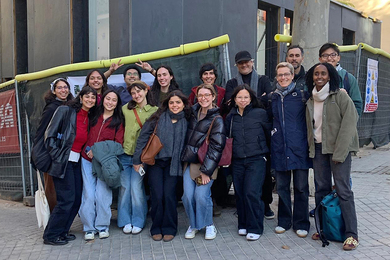
Students in a MISTI Global Classroom confronted the challenges of climate change, one farm and co-op visit at a time.
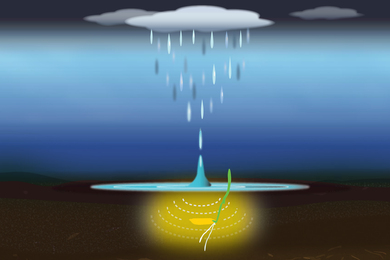
Experiments by MIT engineers show rice seeds sprout faster to the sound of rain.
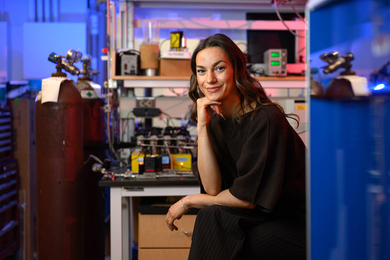
PhD student Audrey Parker studies methane mitigation strategies in dairy farms and coal mines, to reduce emissions of the potent greenhouse gas.
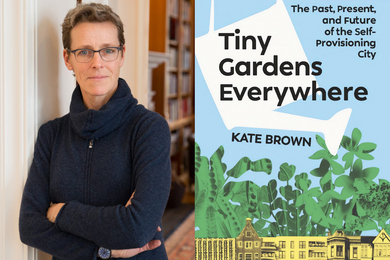
Kate Brown’s book, “Tiny Gardens Everywhere,” examines the hidden history of urban farming, its extensive use, and the politics of growing food.
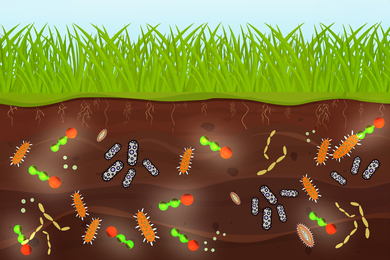
While some N2O is produced naturally at the plant root, agricultural practices can increase its levels, to the detriment of some microbes that support plant growth.
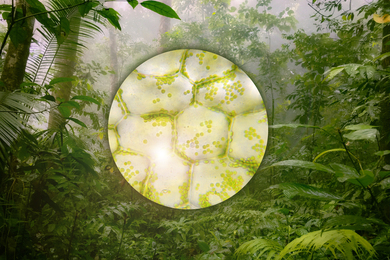
Foray Bioscience, founded by Ashley Beckwith SM ’18, PhD ’22, is engineering single plant cells to create new materials and meet growing demand.
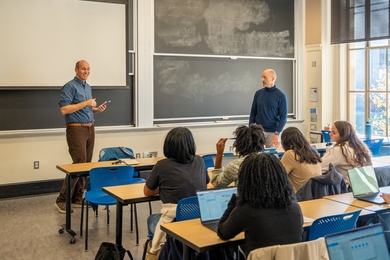
In STS.059 (The Bioeconomy and Society), students explore the social and political factors at work in the biology, biotech, and biological engineering sectors.