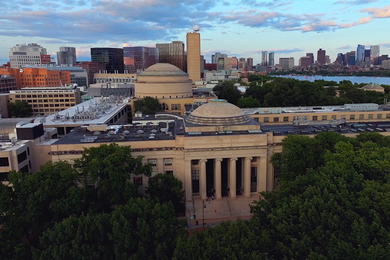
MIT’s Kavanaugh Fellowship: From invention to impact
The Kavanaugh Translational Fellows Program helps scholars turn promising research into successful businesses.
The Kavanaugh Translational Fellows Program helps scholars turn promising research into successful businesses.
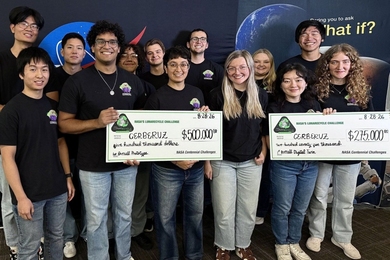
The team took first prize in both the Prototype and Digital Twin tracks for its lunar waste recycling system.
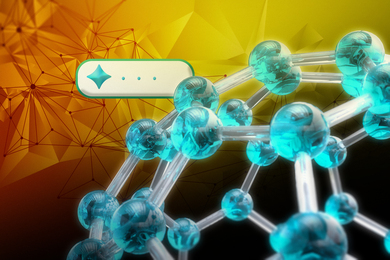
New research can help AI models understand crystalline materials in 3D and reason about their properties.

Faculty, students, staff, family, and friends gathered to remember the assistant professor and archaeometallurgist who died last month.
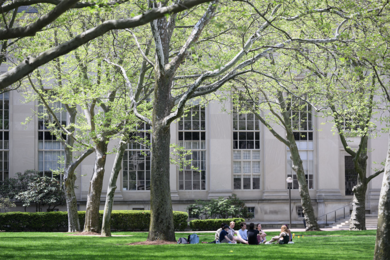
Faculty members and researchers were honored in recognition of their scholarship, service, and overall excellence.
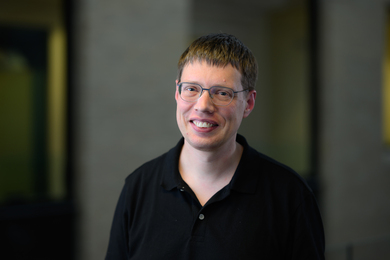
Colleagues remember Rose as an enthusiastic and gracious friend who had recently started a promising research track at MIT.
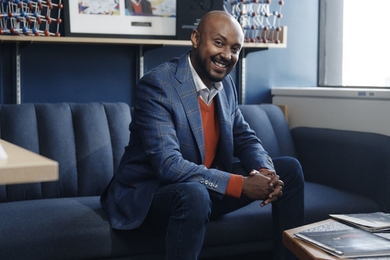
Assistant Professor Iwnetim Abate creates space for ambitious research and sustainable growth for his graduate students.
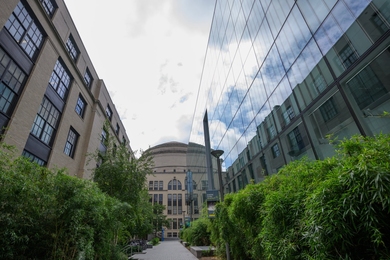
The Institute welcomes its first cohort of QMIT Fellows this fall to advance interdisciplinary quantum research.

The “CrysVCD” tool developed at MIT could cut the huge amounts of time and money spent on screening out chemically unstable designs.

New MIT research could lead to better materials for a fossil-fuel-free process for making the chemical that's essential to fertilizer and other products.
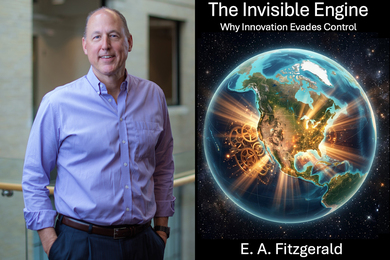
In his latest book, Professor Eugene Fitzgerald examines the forces that turn breakthroughs into value — and why innovation resists simple formulas.
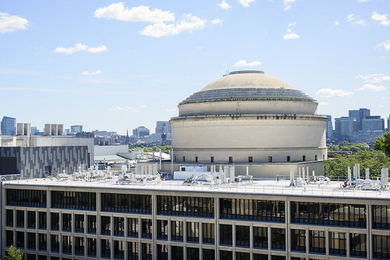
The Materials Research Science and Engineering Center unites researchers across disciplines to develop technologies for medical imaging, sustainable metals production, and next-generation electronics.
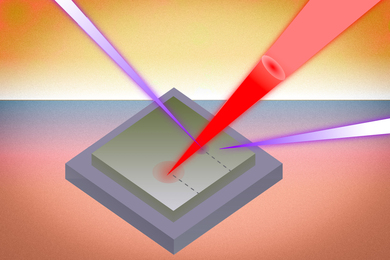
MIT researchers can now precisely measure how heat moves through multilayered materials like computer chips.
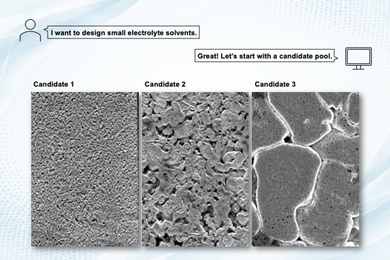
By focusing on electrolytes, MIT scientists are making sodium-metal batteries a more practical energy storage option.
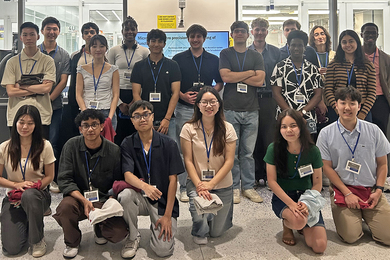
The 2026 NEMC Hub-sponsored externship gave students access to world-class research, advanced semiconductor manufacturing, and professionals driving innovation across the Northeast.