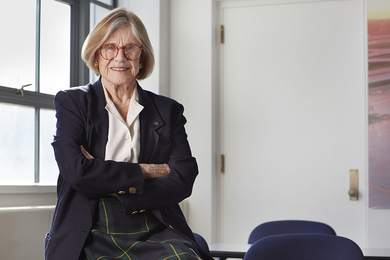
Sheila Widnall: A lifetime exploring the unknown
During 64 years at MIT, the Institute Professor Emerita has been a trailblazer in aerospace and the U.S. military, and a changemaker for women in STEM.
During 64 years at MIT, the Institute Professor Emerita has been a trailblazer in aerospace and the U.S. military, and a changemaker for women in STEM.
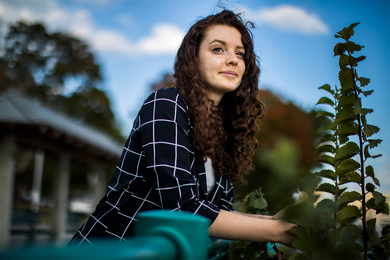
MIT senior Darya Guettler advocates for climate action and broader deployment of zero-carbon energy sources.
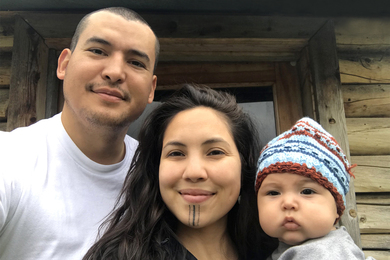
Linguistics graduate student Annauk Olin is helping her Alaska Native community preserve their language and navigate the severe impact of climate change.
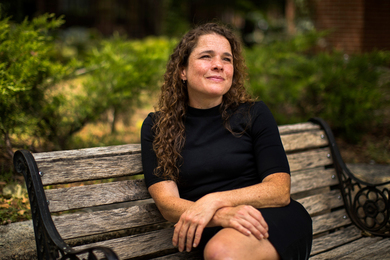
“We hear big data is going to change the world, but I don’t believe it will unless we synthesize it into tools with a public benefit,” she says.
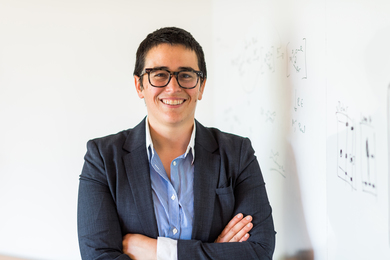
Alison Wendlandt explores how the layout of atoms in molecules, such as sugars and drugs, can affect their nature and our bodies.
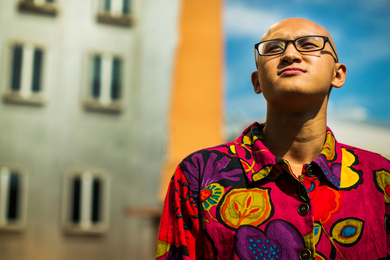
As a community activist and scholar, PhD candidate Kevin Lee has a lot on his plate. But “when things matter so deeply in your bones, the energy just comes,” he says.
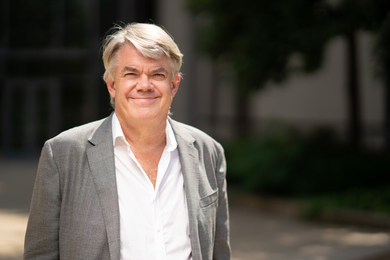
Whether analyzing currency attacks or school choice, economist Stephen Morris seeks “a richer perspective on information structures.”

The PhD student is fascinated by local variations in economic activity, and how they drive national policies.
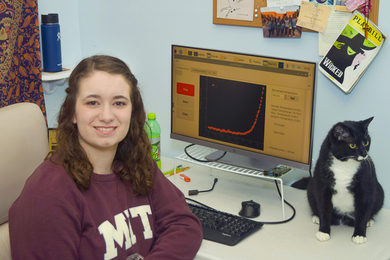
Rising MIT sophomore finds satisfaction designing for the laboratory and the playing field.
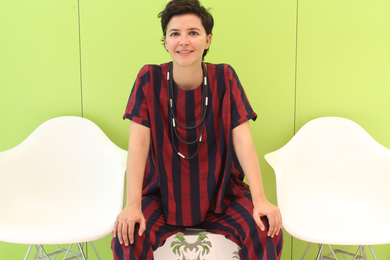
Once displaced by war, MIT’s Azra Akšamija creates works of cultural resilience in the face of social conflict.
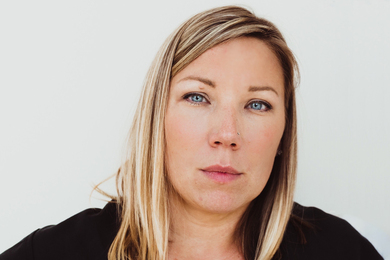
PhD student Jessica Varner traces the way synthetic building materials have transformed our environment.
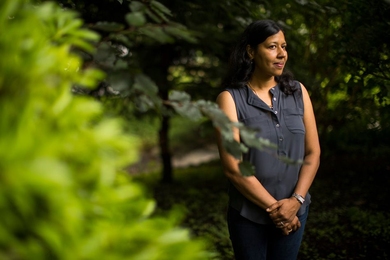
The MIT professor takes a mathematical approach to exploring memory, navigation, and other neural functions.
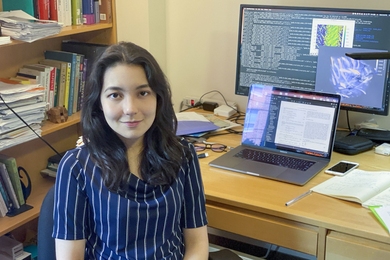
Graduate student Muni Zhou shows how tiny magnetic seed fields can expand to cosmic proportions.
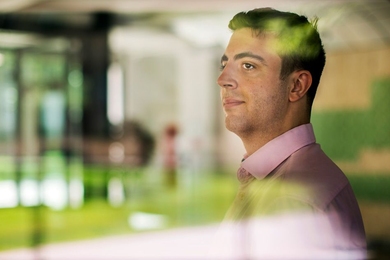
PhD student Levi Knippel is dedicated to making the Department of Chemistry “a community that everyone wants to be a part of.”
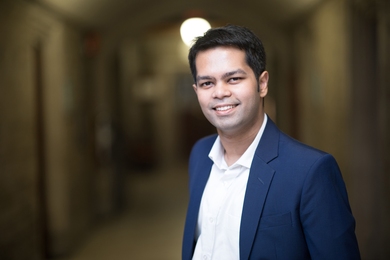
Postdoc Md Sami Hasnine's work has been instrumental in forming CEE’s DEI committee.