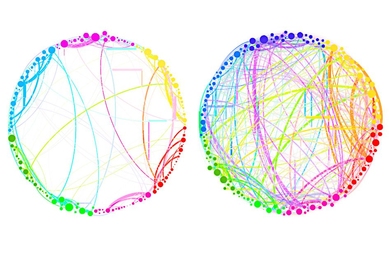
A new quantum approach to big data
System for handling massive digital datasets could make impossibly complex problems solvable.
System for handling massive digital datasets could make impossibly complex problems solvable.
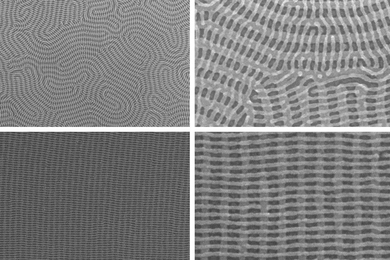
Polymer nanowires that assemble in perpendicular layers could offer route to tinier chip components.
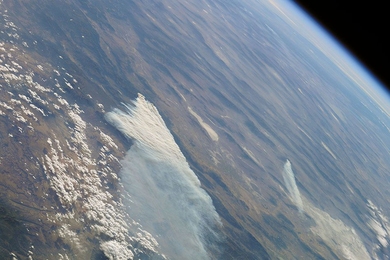
Study finds human-made aerosols exert strong influence on the geography of precipitation.

Model that predicts time from gate departure to takeoff could cut airport congestion, fuel waste.

Researchers discover how some organisms process oxalate, a molecule that can harm humans.

Benefits from international regulations may double those of domestic policy.

Algorithms could learn to recognize objects from a few examples, not millions; may better model human cognition.

Visiting Artist Tomás Saraceno and MIT scientists join forces to confront climate crisis at United Nations conference.
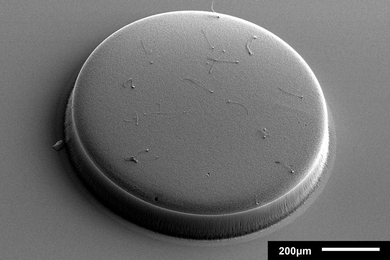
Nanotube “forest” in a microfluidic channel may help detect rare proteins and viruses.
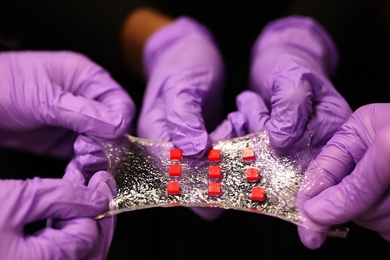
Water-based “Band-Aid” senses temperature, lights up, and delivers medicine to the skin.
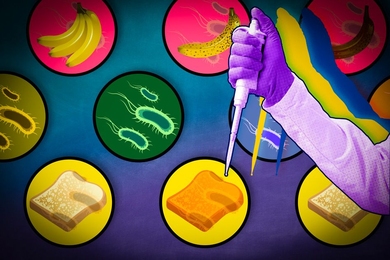
Nonprofit provides hands-on experiments to students and teachers worldwide.

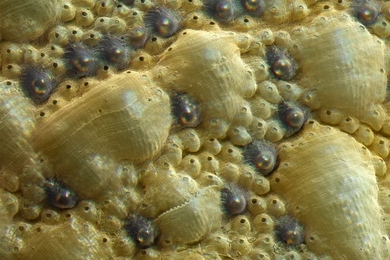
Tiny sea creatures feature transparent optical systems as tough as their shells.

Though likely uninhabitable, planet is rocky, Earth-sized, and near enough for study of its atmosphere.
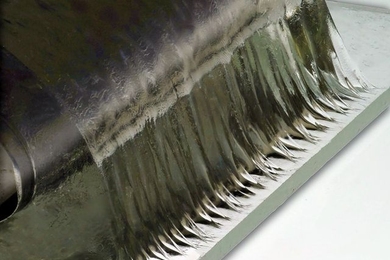
New “water adhesive” is tougher than natural adhesives employed by mussels and barnacles.