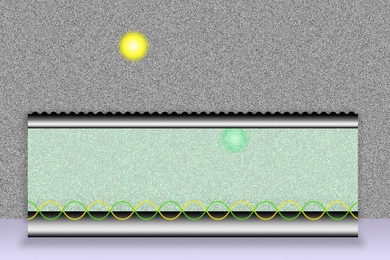
Harvesting more energy from photons
Quantum process increases the number of electrons produced when light strikes a metal-dielectric interface.
Quantum process increases the number of electrons produced when light strikes a metal-dielectric interface.
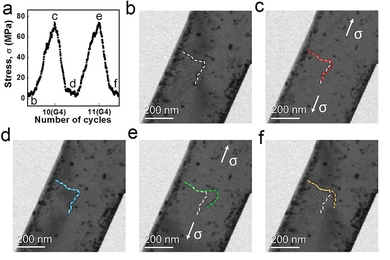
Finding shows small amounts of repeated stretching can eliminate crystal defects in nanoscale metal parts.

Study: Manmade aerosols can alter rainfall in the world’s most populous region.
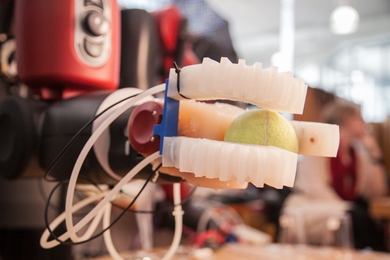
Team from Computer Science and Artificial Intelligence Lab develops silicone rubber gripper and advanced object-identification algorithms.
MIT-led team develops method for scaling up production of thin electronic material.

Eighth graders from Boston, Cambridge, and Lawrence, Massachusetts, learn from recent MIT graduates as part of STEM Summer Institute.

New study finds massive eruptions likely triggered mass extinction.
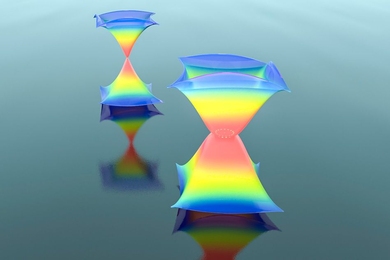
Researchers create exotic states that could lead to new kinds of sensors and optical devices.

MIT researchers find unintended consequences of an idea to stimulate ocean phytoplankton growth in order to geoengineer a cooler atmosphere.

From igniting carbon fibers to freeze-drying hydrogels, MIT Summer Scholars learn pioneering scientific techniques during nine-week internships.

Study finds some coastal regions may face a risk of unprecedented storm surge in the next century.
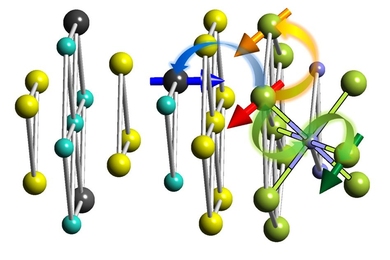
Findings could lead to a building block for future quantum computers, and a research tool for physics.
New findings show Asia produces twice as much mercury emissions as previously thought.
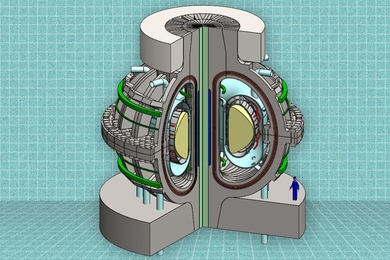
New design could finally help to bring the long-sought power source closer to reality.
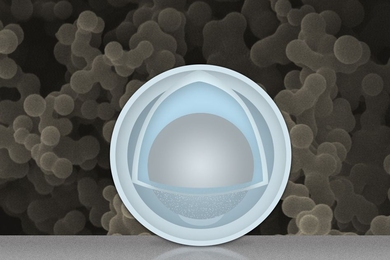
Aluminum could give a big boost to capacity and power of lithium-ion batteries.