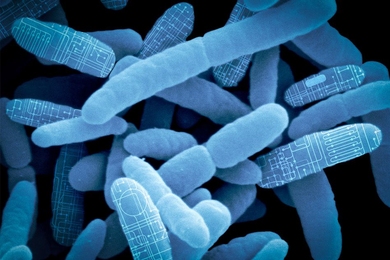
Reprogramming gut bacteria as “living therapeutics”
Daily doses of synthetic biotics developed by startup Synologic may sense, treat metabolic diseases.
Daily doses of synthetic biotics developed by startup Synologic may sense, treat metabolic diseases.

Assistant Professor Thomas Heldt mines critical care data to support real-time clinical decision making and improve patient care.
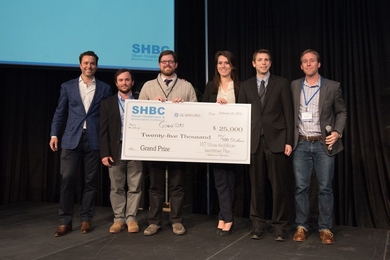
Device that filters blood to prevent organ failure wins MIT Sloan Healthcare Innovations Prize.

MIT's Institute of Medical Engineering and Science is on the front lines of efforts to diagnose and develop a vaccine against the emerging Zika virus.
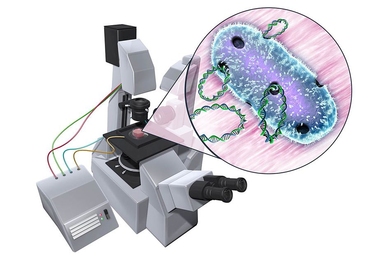
New microfluidic device may speed up DNA insertion in bacteria, the first step in genetic engineering.
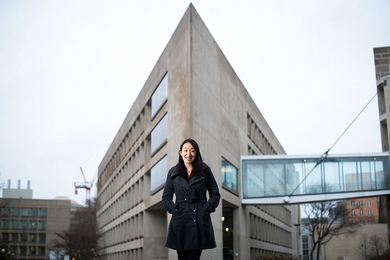
Abra Shen pursues medicine and theater, and someday hopes to combine the two.
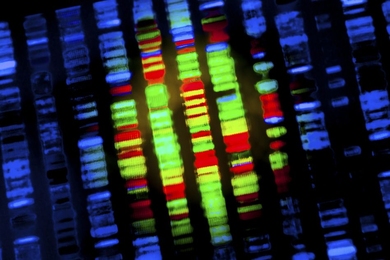
Startup develops more cost-effective test for assessing how cells respond to chemicals.
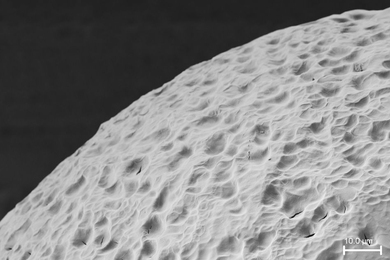
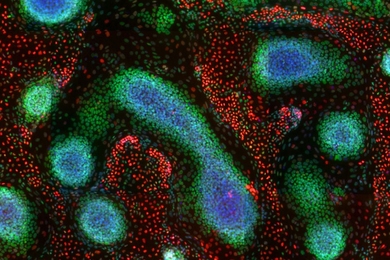
In a step toward personalized drug testing, researchers coax human stem cells to form complex tissues.

Elazer Edelman’s multidisciplinary teams bring innovation to cardiovascular health worldwide.
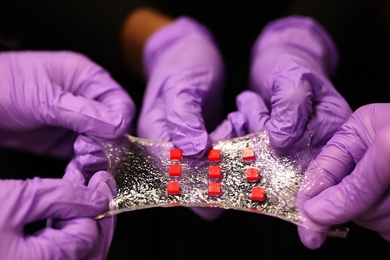
Water-based “Band-Aid” senses temperature, lights up, and delivers medicine to the skin.

Public Event on Dec. 8 will explore hacks for rapid diagnostic devices.

MIT researchers have found a phenomenon that might lead to more compact, tunable X-ray devices made of graphene.
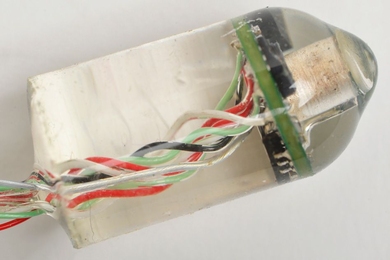
Ingestible sensor measures heart and breathing rates from within the digestive tract.
Postdoc researcher recognized for leukemia management innovation.