
New clue to how lithium works in the brain
Biologists find a possible explanation for why the drug helps bipolar patients.
Biologists find a possible explanation for why the drug helps bipolar patients.
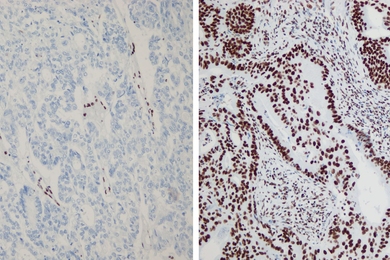
Researchers identify genes that mutate in endometrial cancer, create a family tree describing the evolutionary history of the disease.

Associate Professor Ernest Fraenkel uses biological network modeling to identify new targets for disease.

Report calls for more integration of physical, life sciences for needed advances in biomedical research.
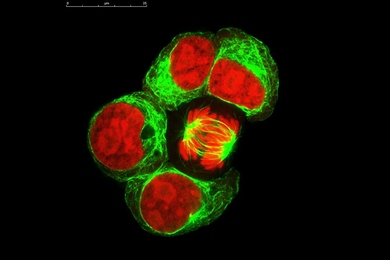
Technique combines analogue and digital processes in engineered cells.

Senior Cara Lai cites MIT Literature studies as key to her preparation for medical practice.
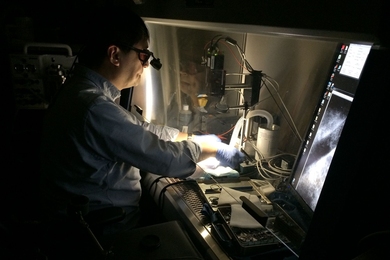
Mechanism developed at MIT and Massachusetts General Hospital shows promising results for improved ovarian cancer detection and removal.

Microfluidic device distinguishes cells based on how they respond to acoustic vibrations.
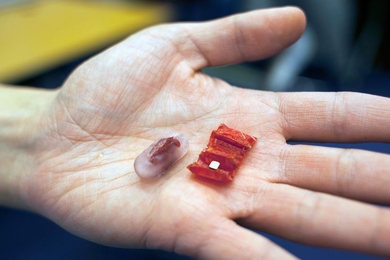
Robot unfolds from ingestible capsule, removes button battery stuck to wall of simulated stomach.

Study identifies new gene variants that may be targets for treating arrhythmia.

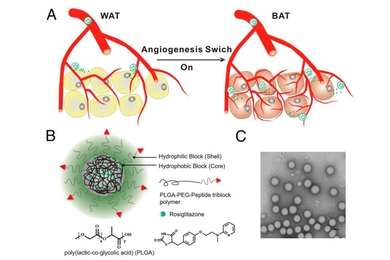

Varesh Prasad, an MIT graduate student in health sciences and technology, is creating a multidisciplinary future in health care.
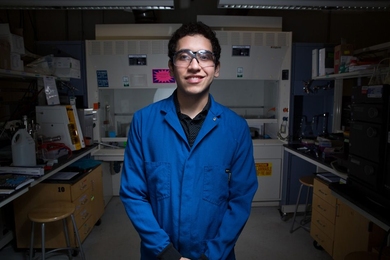
Senior Juan Jaramillo harnesses his natural curiosity to help others, while never forgetting his roots.
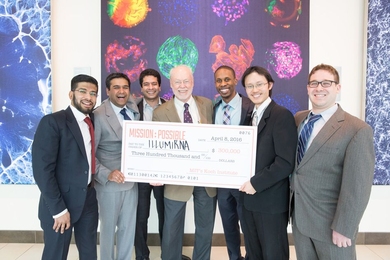
Team takes home grand prize from Koch Institute’s unique research-grant pitch competition.