Discovery science is reinventing the world
How discovery science is reinventing the world
MIT innovators take a close look at how basic science research leads to applications, new companies, jobs, and economic growth.
MIT innovators take a close look at how basic science research leads to applications, new companies, jobs, and economic growth.
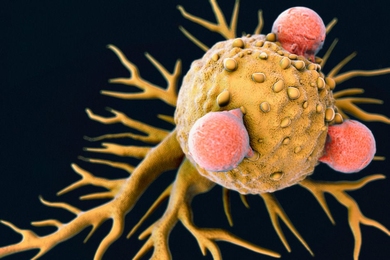
Stimulating both major branches of the immune system halts tumor growth more effectively.
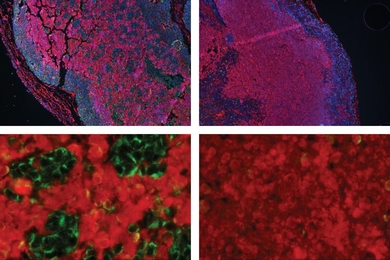
Discovery could offer a new target for treatment of glioblastoma.
Graduate student Steven Keating takes a problem-solving approach to his brain cancer.
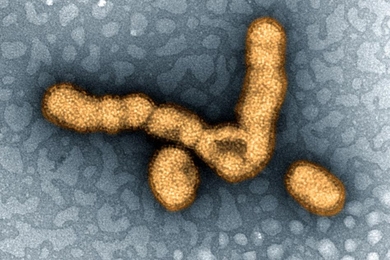
MIT study finds evidence that a new strain of H1N1 may carry dangerous mutations.
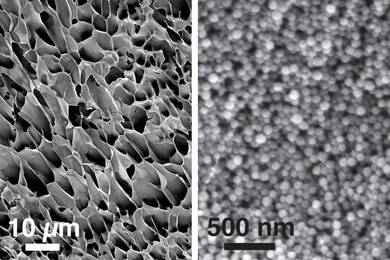
Self-healing gel can be injected into the body and act as a long-term drug depot.
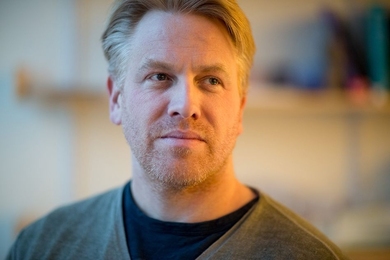
Daniel Anderson wants to bring advances in drug delivery and biomaterials to the clinic.
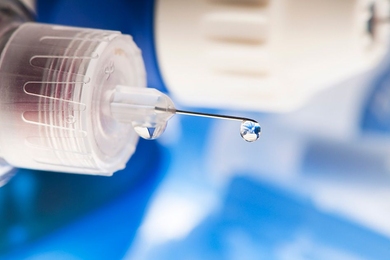
Molecule stays in the bloodstream and is turned on when blood sugar levels are too high.
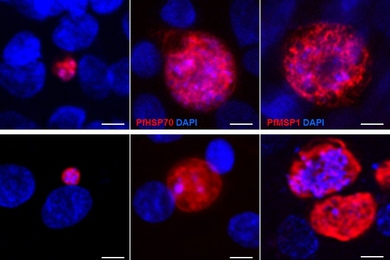
Liver cells derived from stem cells can be infected with malaria and used to test potential drugs.
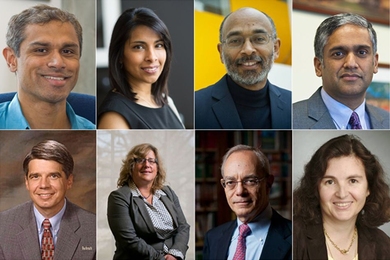
New members include the Institute’s president and the director of Lincoln Laboratory.
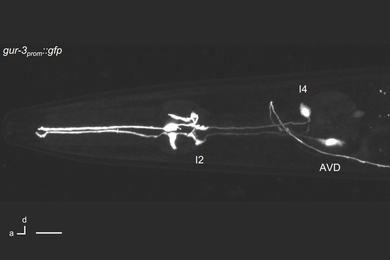
Newly discovered taste receptors for hydrogen peroxide allow worms to indirectly detect light.
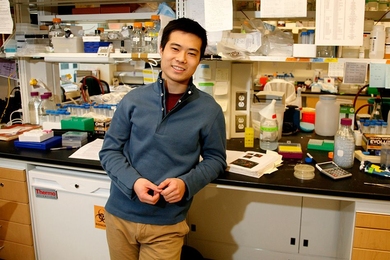
Rhodes Scholar Elliot Akama-Garren seeks to harness the power of the immune system to combat cancer.
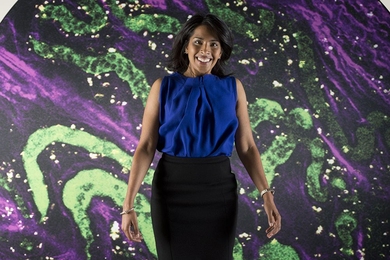
Sangeeta Bhatia's research defies tradition, drawing on biological and medical sciences, and multiple engineering disciplines.
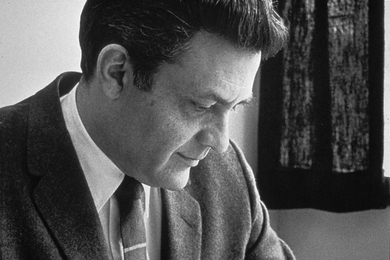
Five innovative, high-risk projects launch with support from Prof. Amar G. Bose Research Grants.
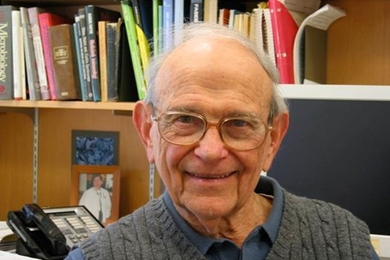
Eisen was a pioneering immunologist and longstanding member of MIT’s cancer research community.