A smart inhaler for people with asthma
Sensors that track inhaler use aim to keep asthma patients healthy, cut health care costs.
Sensors that track inhaler use aim to keep asthma patients healthy, cut health care costs.
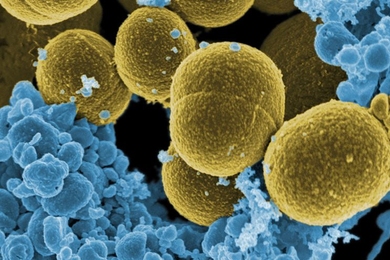
Calprotectin fends off microbial invaders by limiting access to iron, an important nutrient.

MIT researcher discusses a new study on correlations among medical problems.
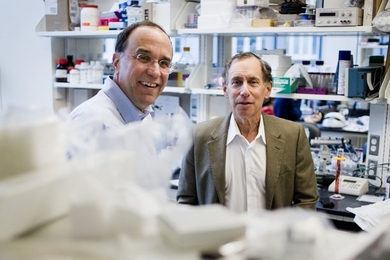
MIT spinout signs deal to commercialize microchips that release therapeutics inside the body.

New center will incorporate research on the study of aging in the Department of Biology, Picower Institute for Learning and Memory, and David H. Koch Institute for Integrative Cancer Research.

Hydrogen peroxide produced by some bacteria causes DNA double-strand breaks, cell suicide.

New research suggests ways to reduce the likelihood that individuals and groups will become infected with influenza.
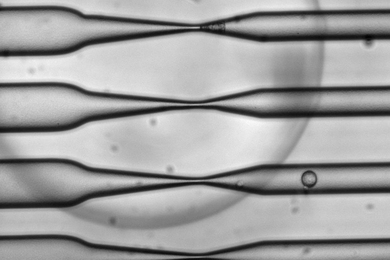
Microfluidic cell-squeezing device opens new possibilities for cell-based vaccines.
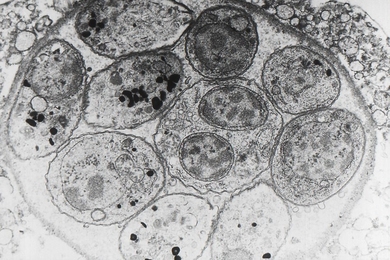
Manipulating the permeability of a type of vacuole could help defeat malarial parasites.
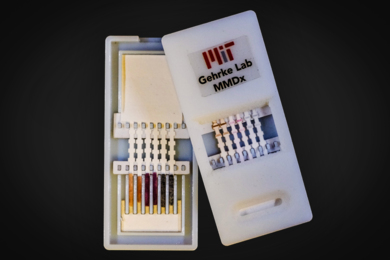
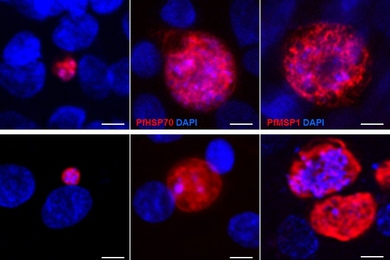
Liver cells derived from stem cells can be infected with malaria and used to test potential drugs.


Research on disease transmission through aerosol droplets raises questions about Ebola’s spread.

Computer model could help public health officials anticipate overreactions to disease outbreaks.