An Arctic ozone hole? Not quite
MIT researchers find that the extremes in Antarctic ozone holes have not been matched in the Arctic.
MIT researchers find that the extremes in Antarctic ozone holes have not been matched in the Arctic.

MIT researchers, as part of an international team, examine the total warming impact of 25 major synthetic greenhouse gases.

Neuroscientists identify a brain circuit that’s key to shifting our focus from one object to another.

A light lattice that traps atoms may help scientists build networks of quantum information transmitters.
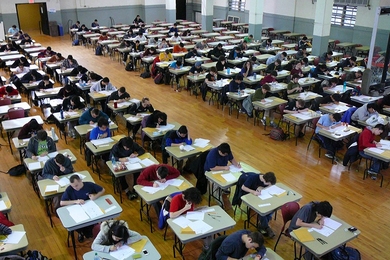
Four of five top individual finishers, known as “Putnam Fellows,” also hail from MIT.

Novel study uncovers the way coughs and sneezes stay airborne for long distances.
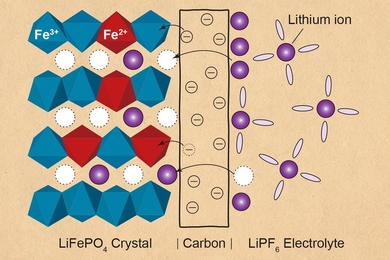
New MIT analysis probes charge transfer in porous battery electrodes for the first time.
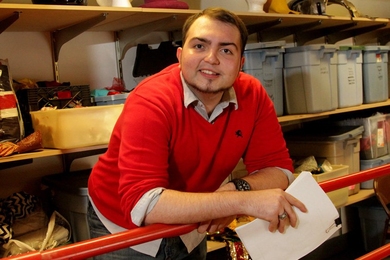
First-generation senior Salvador Esparza finds roles in the lab, in the dorm, and onstage.
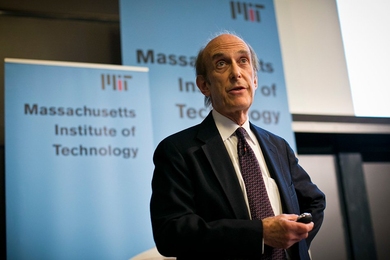
Killian Award recipient Stephen Lippard describes his work on platinum-based chemotherapy agents.
Globally important, chemically distinct lines of research promise easier access to potassium fertilizer, cleaner and purer metals.
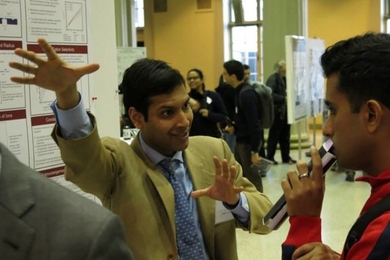
Oceans at MIT's highlights from MIT Water Night 2014 include nano-technological desalination of seawater, innovative wetland conservation, and ocean carbon cycle research.

Brings 27 years’ faculty experience and strong ties with industry.

Methane-producing microbes may be responsible for the largest mass extinction in Earth’s history.