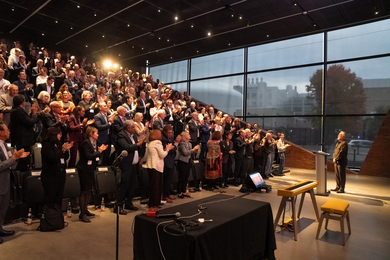
Met Warehouse dedication ceremony launches new era
Once a storage castle, now a design stronghold, the landmark building is a major new hub at MIT.
Once a storage castle, now a design stronghold, the landmark building is a major new hub at MIT.
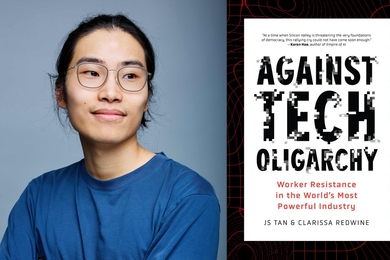
Writing as a participant and researcher, PhD student JS Tan SM ’22 has co-authored a new book about the rise of tech worker protests and the employer backlash that followed.
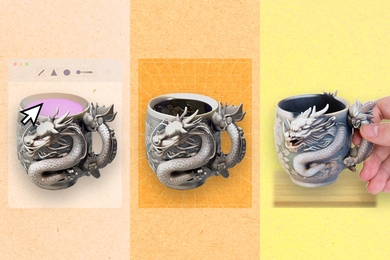
“InstructMesh” can generate designs for everyday objects that are easy to edit and fabricate for both experts and newcomers to 3D modeling.
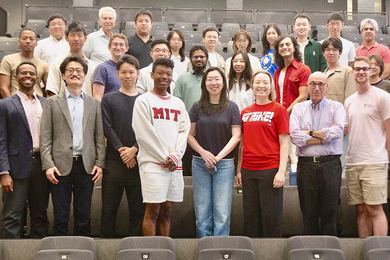
With $2.1 million funding from Google.org, the open-source Public Transit Intelligence Hub will unify public transit monitoring, operations, and passenger communication.
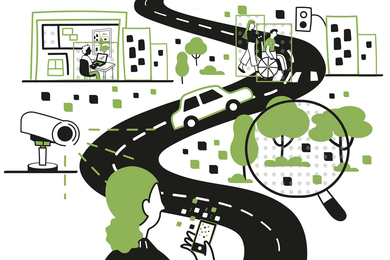
In their new book, “How AI Sees the City,” the leaders of MIT’s Senseable City Lab examine the technology’s implications for researching urban life.

The Climate Grand Challenges “New World of Weather” project shows how modeling, planning tools, and infrastructure analysis are translating research into real-world resilience.
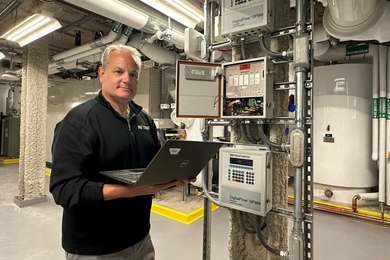
Innovative strategies, technologies, and collaborations are helping MIT advance solutions on campus and beyond.
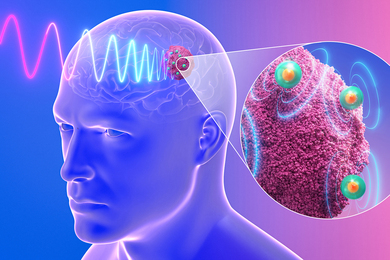
MIT researchers show implanted nanoantennas can be activated wirelessly to kill brain cancer cells without damage to healthy tissue.
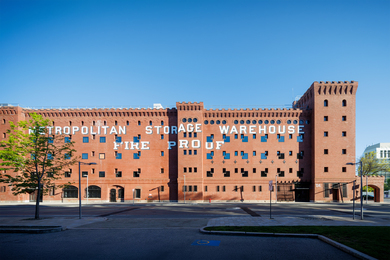
A venerable storage facility has become a 21st-century architectural tour de force. Here are the key decisions that transformed the Met Warehouse.
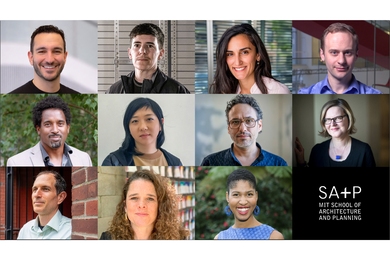
The range of faculty disciplines showcases the breadth of research and scholarship across the school.
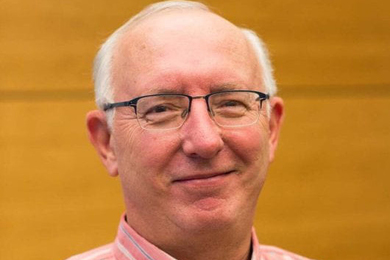
The senior lecturer, already director of the degree program, will now oversee all aspects of the center’s activities and operations.
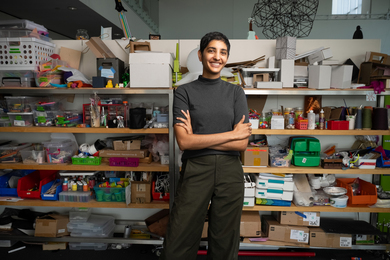
The PhD student works to give young people an active role in shaping digital technologies that can support their own well-being.
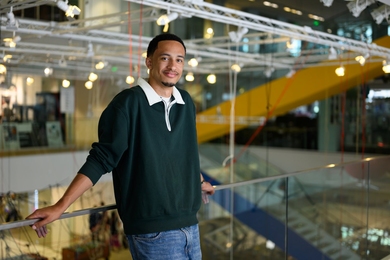
MIT senior Kayode Dada has a passion for designing games, and a penchant for building community.
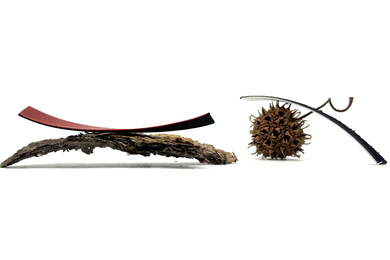
The new framework could streamline the design process of robotic grippers or aerospace components that exhibit complex behaviors found in nature.
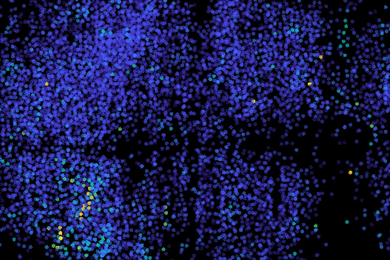
The new technique could help scientists learn how the entire brain works to generate decisions and emotions.