Q&A: Catching Pluto’s shadow
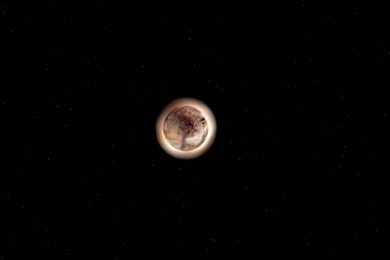
MIT scientists assist as a NASA mission chases Pluto’s shadow to catch details of its atmosphere.
MIT scientists assist as a NASA mission chases Pluto’s shadow to catch details of its atmosphere.
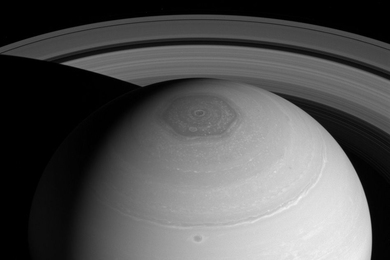
New model may predict cyclone activity on other planets.
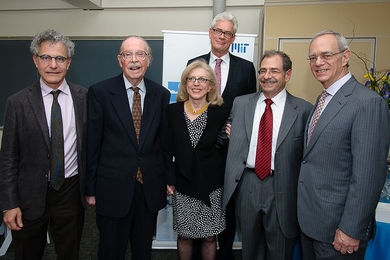
Faculty, administrators, and guests gather to mark the endowment of a new professorship in the Department of Earth, Atmospheric and Planetary Sciences.
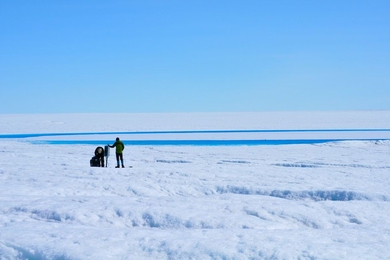
Draining lakes are unlikely to increase the Greenland ice sheet’s contribution to sea-level rise.
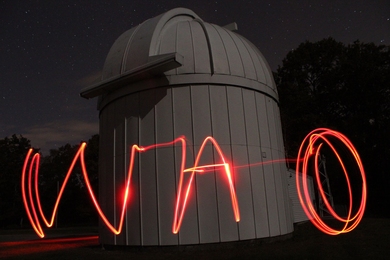
After two years of work, MIT's Wallace Observatory team has "perfected" the ability to control its fleet of smaller telescopes remotely and automatically.
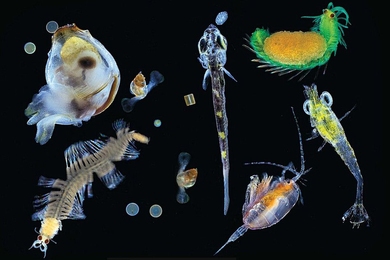
New research indicates marine plankton are not only more diverse than previously thought, but also profoundly affected by their environment.

Geologist Taylor Perron explores river networks on Earth and beyond.
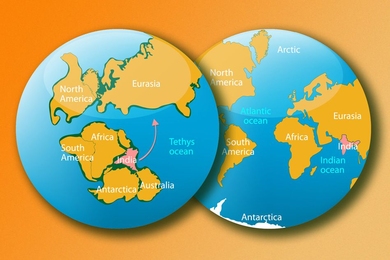
MIT researchers explain mystery of India’s rapid move toward Eurasia 80 million years ago.
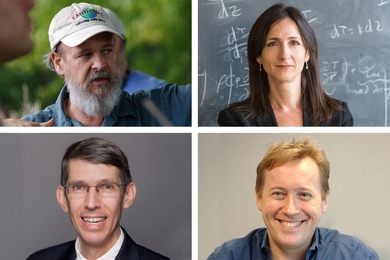
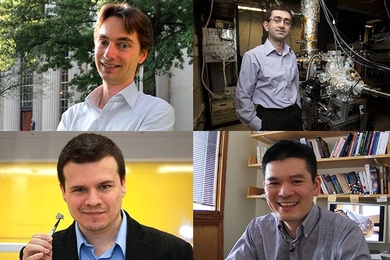
Bowring, Mrowka, Poterba, and Seager named for “distinguished” research.
MIT faculty members discuss the history and science behind Earth’s warming climate, and whether anything can be done to mitigate a rising global temperature.

Climate expert Jochem Marotzke tackles the discrepancy between climate models and real-world observations in the 15th annual Henry W. Kendall Memorial Lecture.
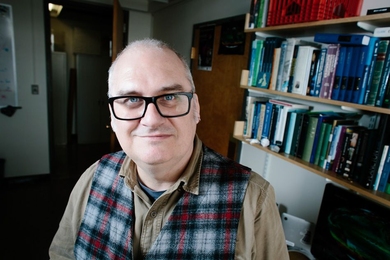
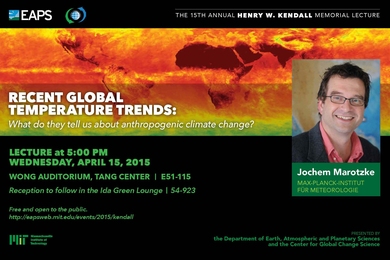
Director of the Max Planck Institute for Meteorology will deliver the 15th annual Henry W. Kendall Lecture.
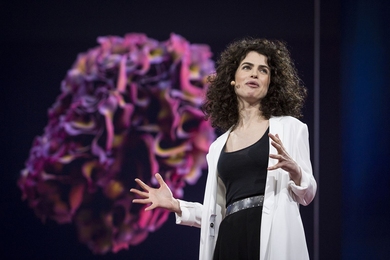
At annual conference, creators and thinkers with MIT ties offered bold visions of the future.