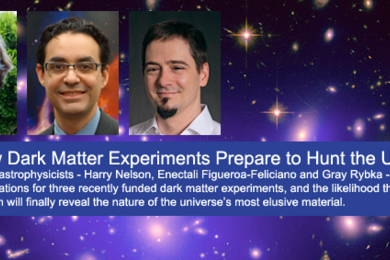
New dark matter experiments prepare to hunt the unknown
In support of three new experiments, MIT's Enectali Figueroa-Feliciano will answer questions about dark matter research in a live Google Hangout on Nov. 20.
In support of three new experiments, MIT's Enectali Figueroa-Feliciano will answer questions about dark matter research in a live Google Hangout on Nov. 20.
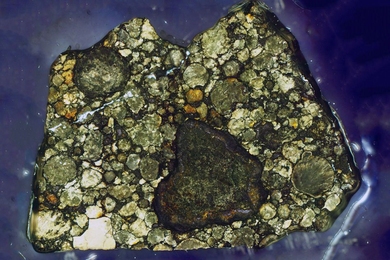
New study finds that a strong magnetic field whipped the early solar system into shape.
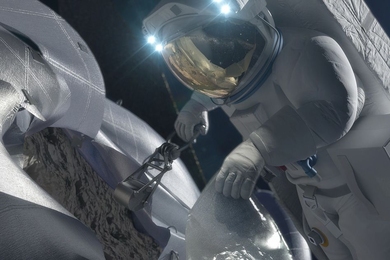
Better options available in thousands of near-Earth asteroids, expert says.
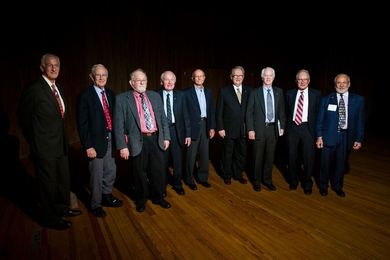
Nine astronaut alumni and Elon Musk join in celebrating department’s centennial.
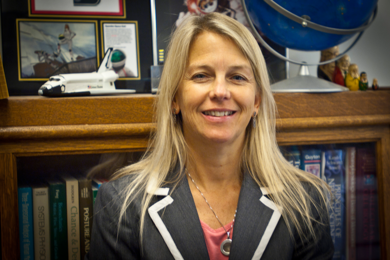
President Obama asks AeroAstro professor to take space agency’s No. 2 leadership spot.
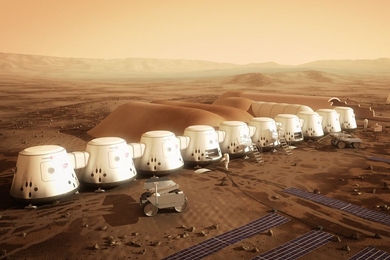
MIT team independently assesses the technical feasibility of the proposed Mars One mission.
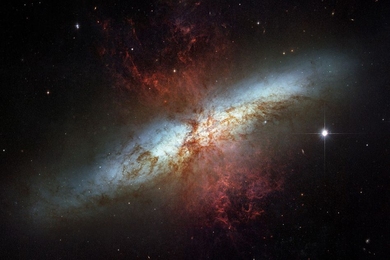
The pulsar, about as large as the city of Boston, is 10 million times brighter than the sun.
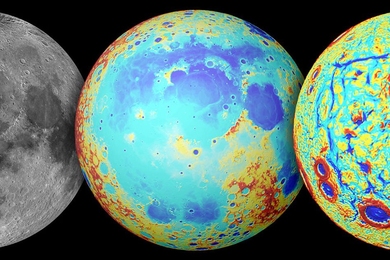
MIT researchers find that a volcanic plume, not an asteroid, likely created the moon’s largest basin.
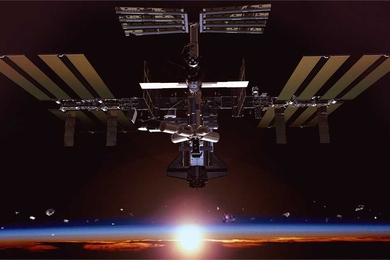
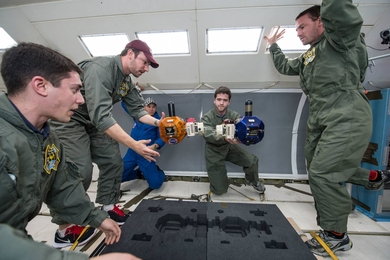
Algorithm tested aboard the International Space Station analyzes the rotation of objects in space.
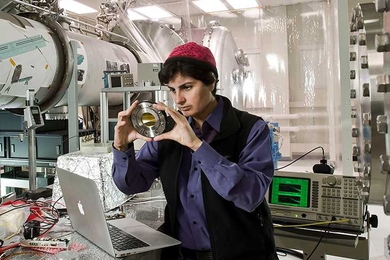
MIT professor Nergis Mavalvala helps build tools to detect gravitational waves.
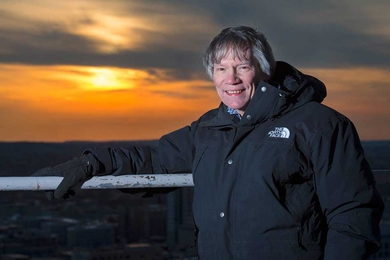
MIT physicist lauded for his groundbreaking theory of cosmic inflation.