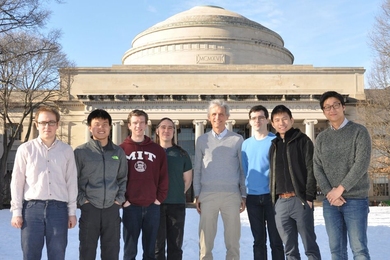
MIT researchers create new form of matter
Supersolid is crystalline and superfluid at the same time.
Supersolid is crystalline and superfluid at the same time.
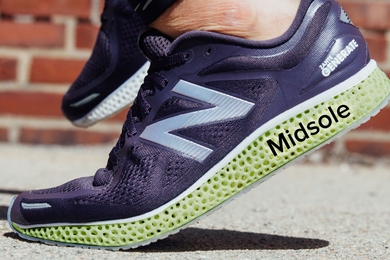
MIT lecturer Jessica Rosenkrantz writes programs mimicking processes in nature to "grow" objects that can be digitally fabricated.
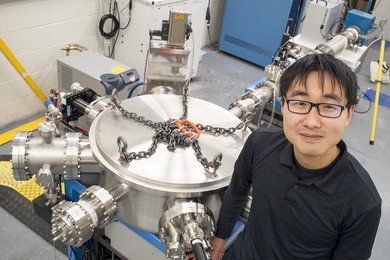
Ph.D candidate enjoys a range of fusion research from coast to coast.
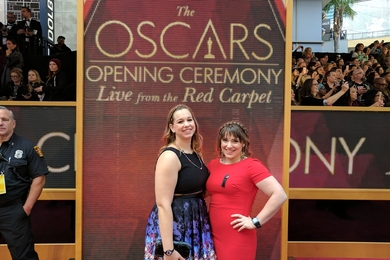
After Dresselhaus’ recent passing, GE invited PhD candidate Leora Cooper to walk the red carpet at the 2017 Academy Awards in her grandmother's stead.
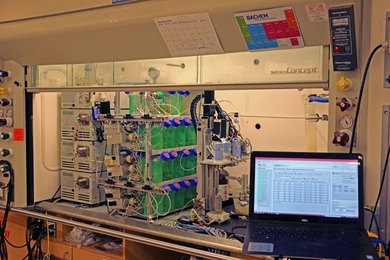
Automated manufacturing could make it easier to develop and test new peptide drugs.
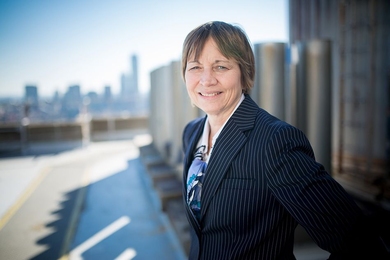
MIT’s vice president for research describes how growing up in eastern Pennsylvania shaped her views on climate policy.
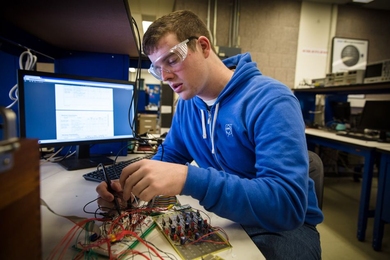
Zachary Hulcher, Marshall Scholar and offensive lineman, will study high-energy physics in the U.K.
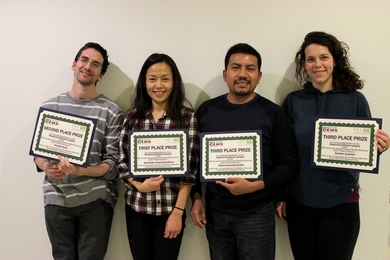
Annual poster session showcases recent work on biological effects of exposure to environmental agents.
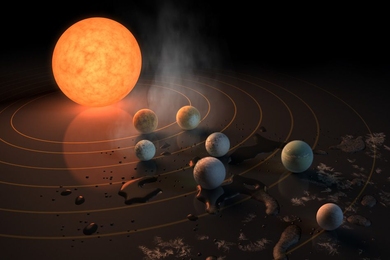
Planets may harbor conditions suitable for sustaining liquid water — and thus life.
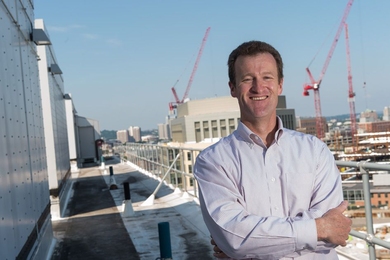
Charles Jennings of MIT’s McGovern Institute discusses the intellectual property dispute over the gene-editing technique.
Faculty from four MIT departments among 126 selected from across the U.S. and Canada.

Three-in-one design allows genetic, chemical, optical, and electrical inputs and outputs.
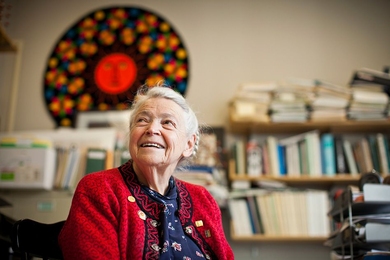
“Queen of carbon science” and recipient of Presidential Medal of Freedom and National Medal of Science led US scientific community, promoted women in STEM.