A new look for nuclear power
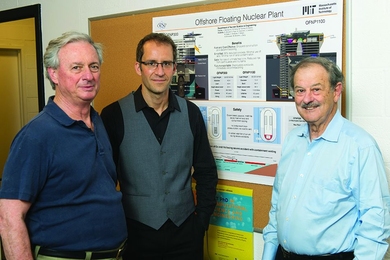
A nuclear power plant that will float eight or more miles out to sea promises to be safer, cheaper, and easier to deploy than today’s land-based plants.
A nuclear power plant that will float eight or more miles out to sea promises to be safer, cheaper, and easier to deploy than today’s land-based plants.
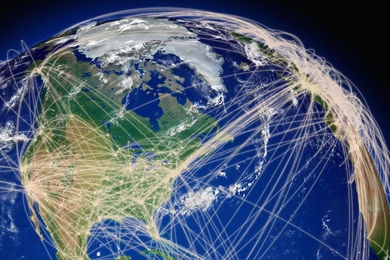
Study finds one-stop flights are a big contributor to global connectivity.
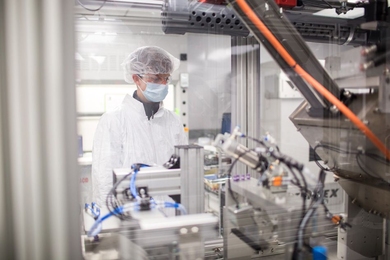
Reinventing how these batteries are made also improves their performance and recyclability.

New ultralow-power circuit improves efficiency of energy harvesting to more than 80 percent.

PhD student Natasha Wright makes water safe to drink for rural, off-grid Indian villages.
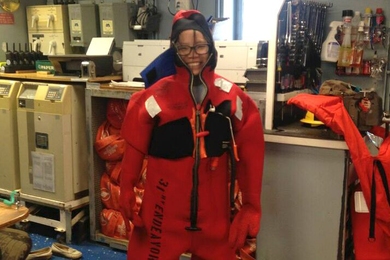
A witness to “a montage of environmental changes” in her native China, grad student Ruby Fu now studies the fate of methane bubbles in the ocean.
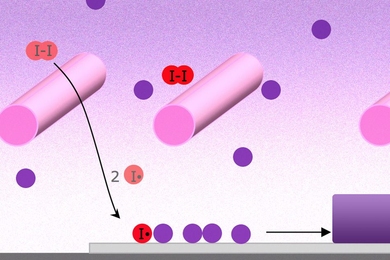
Technique enables production of pure, uniform coatings of metals or polymers, even on contoured surfaces.
Awards were given to outstanding faculty, and graduate, and undergraduate students.
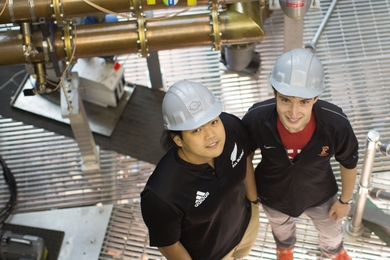
PhD candidates Adam Kuang and Alex Creely are thriving after their first year at MIT's Plasma Science and Fusion Center.
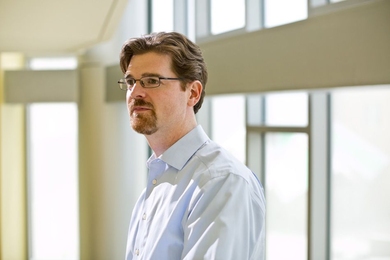
Christopher Love uses microscale technology to isolate rare cells, yielding insight into human disease.
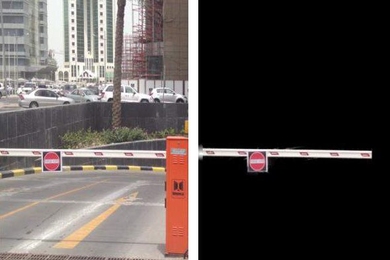
Video-processing algorithm magnifies motions indiscernible to naked eye, even in moving objects.
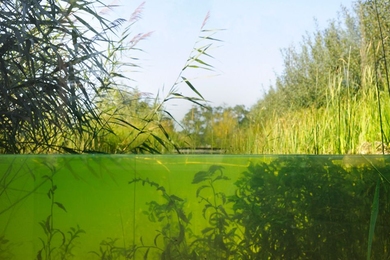
Model could help engineers design erosion-prevention strategies in marshes, wetlands, aquatic forests.
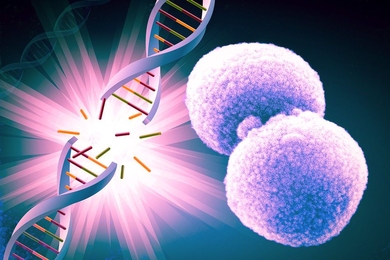
Hydrogen peroxide produced by some bacteria causes DNA double-strand breaks, cell suicide.
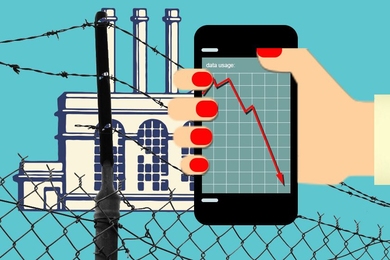
Study: Usage patterns vary when people are not working.