
Tracing the evolution of a landscape
Geologist Taylor Perron explores river networks on Earth and beyond.
Geologist Taylor Perron explores river networks on Earth and beyond.

Report highlights enormous potential and discusses pathways toward affordable solar energy.

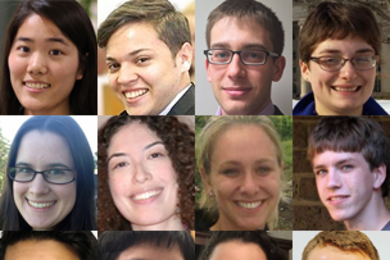
Highly qualified group of undergraduates brings prior lab experience, variety of interests, to pursue research opportunities in MIT labs.
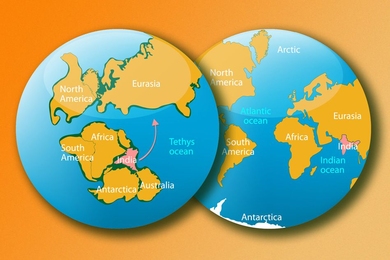
MIT researchers explain mystery of India’s rapid move toward Eurasia 80 million years ago.

The most comprehensive survey of rhyme ever made reveals a new possibility for one of the essential units of language.
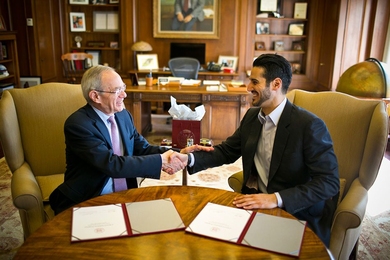
“J-WAFS Solutions” will provide seed funding for promising new approaches to water, food supply.
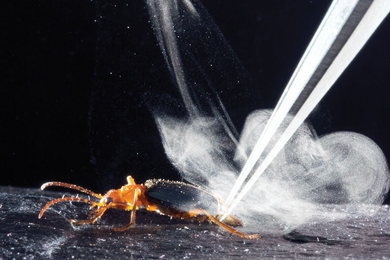
New analysis shows how bombardier beetles produce an explosive defensive chemical jet.
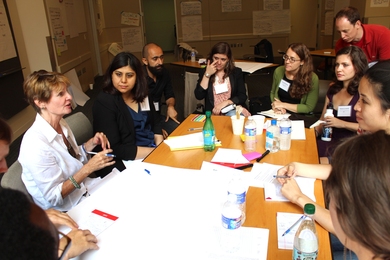
To help alleviate poverty, representatives from MIT D-Lab and Tufts Fletcher School focus on respectful, human-centered research practices in global development.
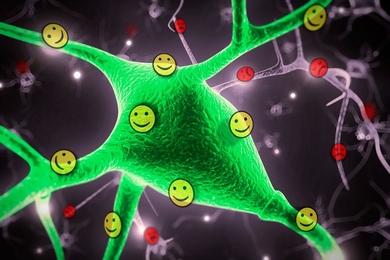
Neuroscientists identify neurons in the amygdala that assign emotions to experience.

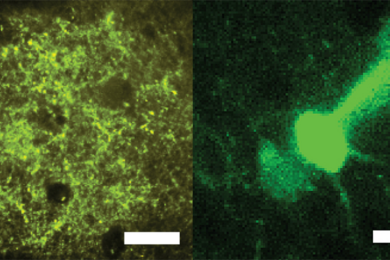
First demonstration that a common neurotransmitter acts via a single neuron type to enable effective information-processing.

New CSAIL system lets users customize the mailing-list experience by following and blocking users and “upvoting” messages.

Authors highlight 15 research opportunities that could help boost the U.S. economy, benefit society.
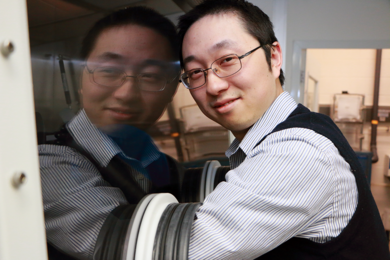
MIT Assistant Professor Juejun Hu melds fundamental materials science and new device designs to enable flexible photonics and other applications.