
Translating thought to print
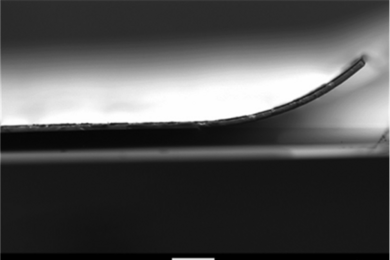
Researchers explore mechanics of silk to design materials with high strength and low density.
Researchers explore mechanics of silk to design materials with high strength and low density.

Study: Anti-poverty intervention provides sustained boost to incomes and wealth.

Graduate student's “WaitChatter” app teaches vocabulary during moments in between text and instant-message replies.
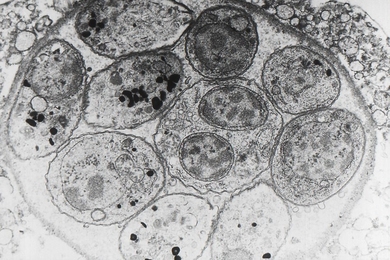
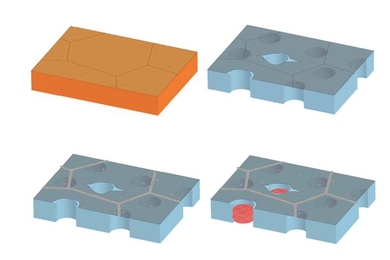
Manipulating the permeability of a type of vacuole could help defeat malarial parasites.
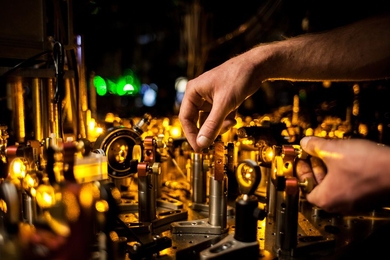
Instrument freezes and images 1,000 individual fermionic atoms at once.
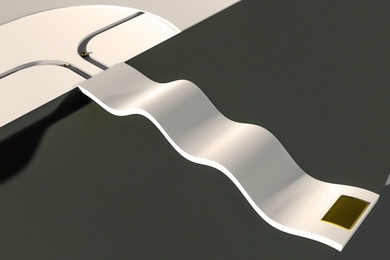
Device can measure the distribution of tiny particles as they flow through a microfluidic channel.
Researchers collaborate on innovative water, energy, and next-generation technology projects.
New algorithm exploits multiple reflections in individual images to distinguish reflection from transmission.
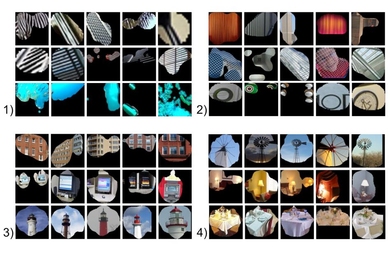
System designed to label visual scenes according to type turns out to detect particular objects, too.
Professor Oral Buyukozturk has catalyzed multidisciplinary ventures to advance sustainable designs for infrastructure in Kuwait and elsewhere.
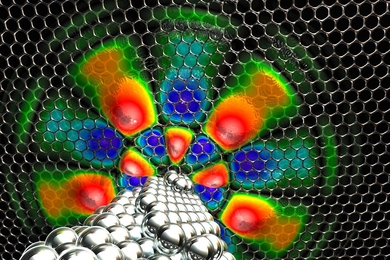
“Whispering gallery” effect confines electrons, could provide basis for new electron-optics devices.
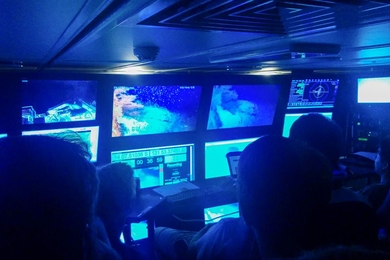
With MIT-developed algorithms, robots plan underwater missions autonomously.

Region of world’s strongest “internal waves” is analyzed in detail; work could help refine climate models.