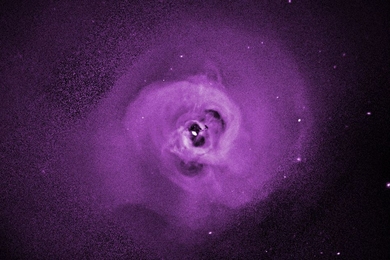
Dead X-ray satellite reveals “quiet” center of massive galaxy cluster
Scientists find gas at center of Perseus cluster travels much more slowly than expected.
Scientists find gas at center of Perseus cluster travels much more slowly than expected.
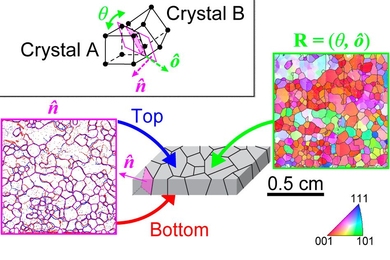
Method uses readily available tools to quickly determine materials’ properties.
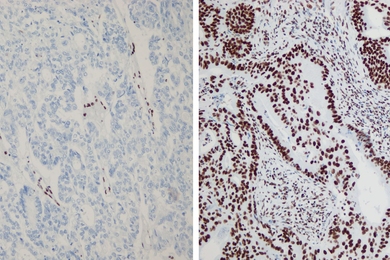
Researchers identify genes that mutate in endometrial cancer, create a family tree describing the evolutionary history of the disease.
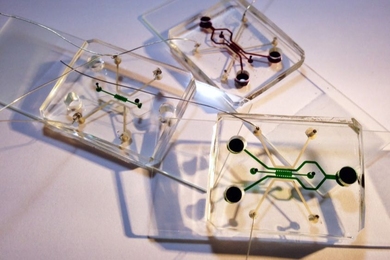
Low-intensity fields keep malignant cells from spreading, while preserving healthy cells.
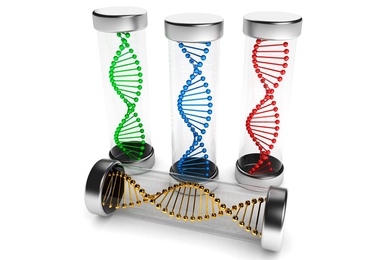
Tests in mice show the vaccines work against Ebola, influenza, and a common parasite.
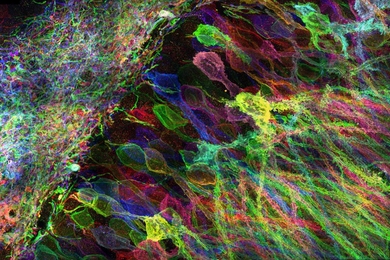
Microscopy technique allows scientists to pinpoint RNA molecules in the brain.
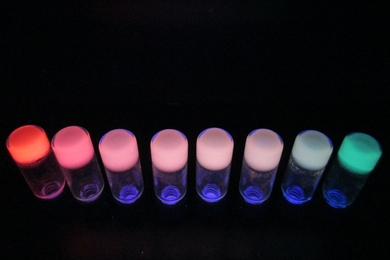
Color-changing materials could be used to detect structural failure in energy-related equipment.
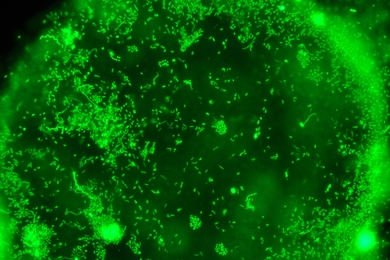
New research finds interactions between microorganisms and marine particles may have significant effects on oceanic carbon cycling.
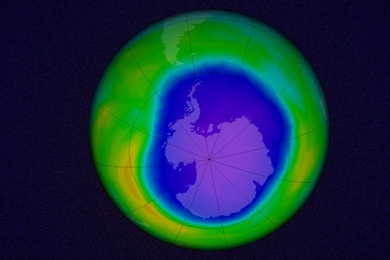
September ozone hole has shrunk by 4 million square kilometers since 2000.
Inexpensive sensors could be worn by soldiers to detect hazardous chemical agents.
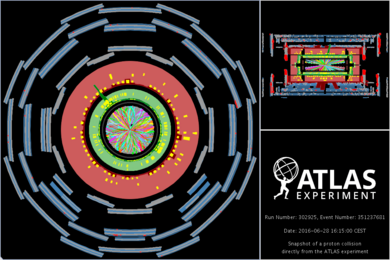
A new MIT project taps into particle collisions to generate music and forge harmony between science and art.
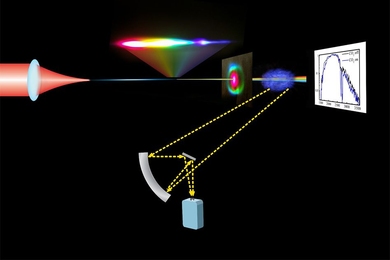
Laser pulses produce glowing plasma filaments in open air, could enable long-distance monitoring.

Computer model finds slits in the spleen impose a “physical fitness test” on red blood cells.
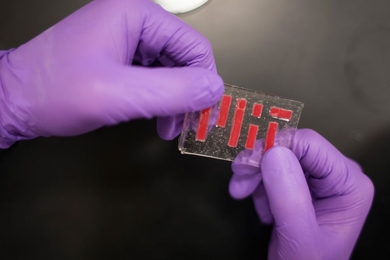
Water-based material could be used to make artificial skin, longer-lasting contact lenses.
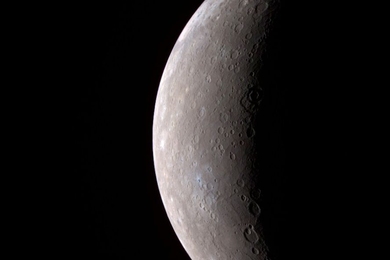
Experiments show planet cooled dramatically in half a billion years.