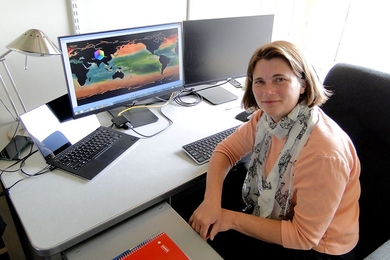
Computing the ocean’s true colors
Stephanie Dutkiewicz’ phytoplankton models project the future of the ocean as food source and carbon sink.
Stephanie Dutkiewicz’ phytoplankton models project the future of the ocean as food source and carbon sink.
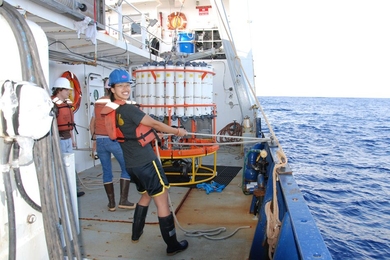
More anthropogenic carbon in the northeast Pacific means weaker shells for many marine species.
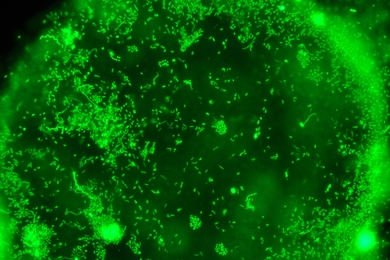
New research finds interactions between microorganisms and marine particles may have significant effects on oceanic carbon cycling.

Research suggests Antarctica and the Southern Ocean may be experiencing a period of cooling before warming takes over, thanks to the ozone hole.
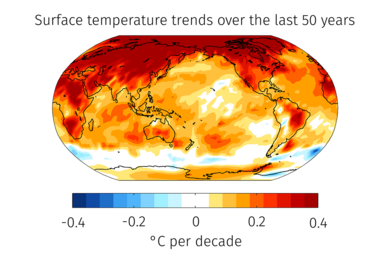
New research may explain why sea temperatures around Antarctica haven’t risen as much as surface temperatures around the globe.
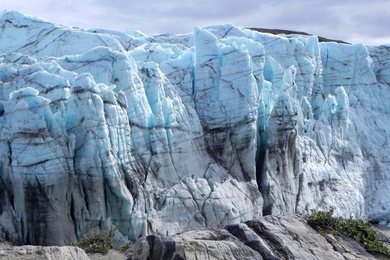
Technique uses vibrations generated by ocean waves to monitor ice sheet’s seasonal changes.
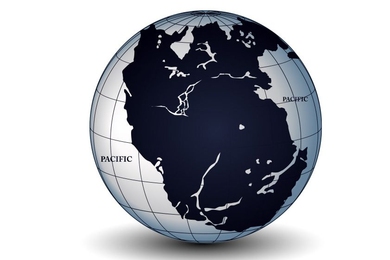
Continental shifting may have acted as a natural mechanism for extreme carbon sequestration.

Masubuchi, a leading expert on welding science and fabrication technology, also started the Japanese Language School.
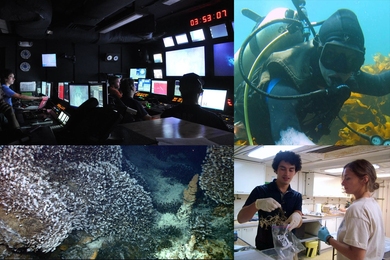
Santiago Herrera studies the genome to establish new connections between species living in the deep sea.
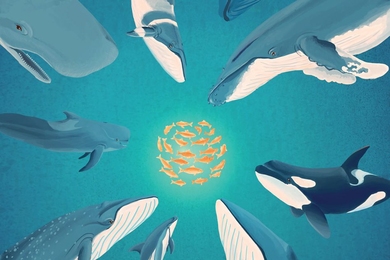
Mapping whale calls, researchers find the predators feed in species-specific hotspots.
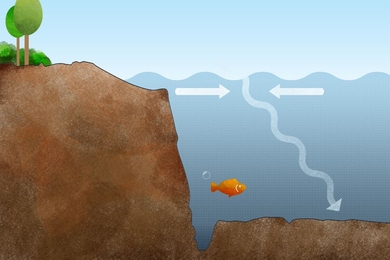
Surface waves can trigger powerful sound waves that race through the deep ocean, study suggests.
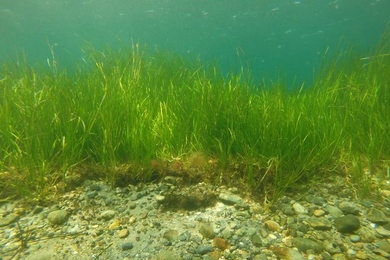
MIT Sea Grant is working with several partners to quantify the carbon storage of eelgrass beds in Massachusetts.
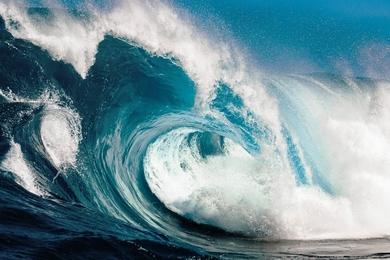
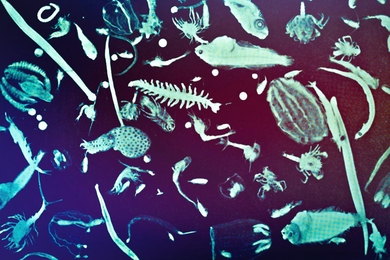
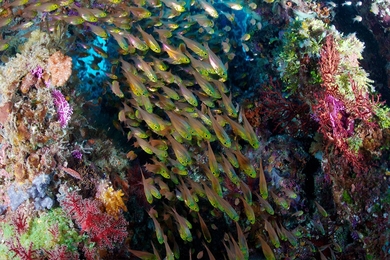
MIT Center for Art, Science, and Technology visiting artist Keith Ellenbogen brings high-speed photography to the natural world.