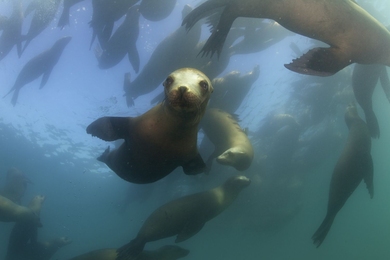
Capturing an underwater world
Visiting artist Keith Ellenbogen collaborates with MIT faculty and staff to create a unique underwater photography course.
Visiting artist Keith Ellenbogen collaborates with MIT faculty and staff to create a unique underwater photography course.

Themistoklis Sapsis seeks to understand, predict, and optimize complex engineering and environmental systems under extreme uncertainty.
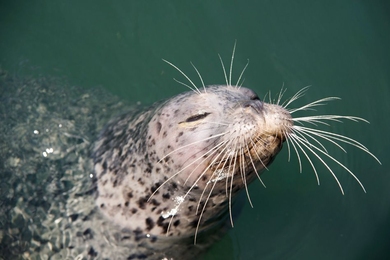
Study finds a whisker’s “slaloming” motion helps seals track and chase prey.
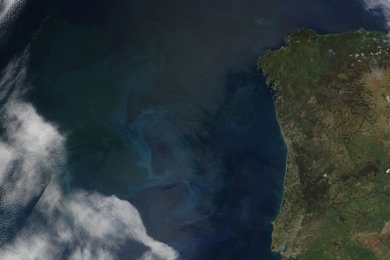
MIT researchers find unintended consequences of an idea to stimulate ocean phytoplankton growth in order to geoengineer a cooler atmosphere.
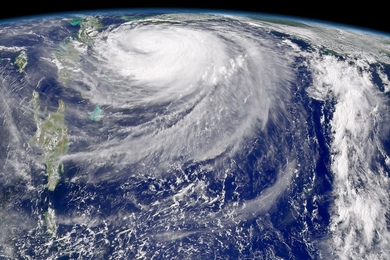
Study finds some coastal regions may face a risk of unprecedented storm surge in the next century.
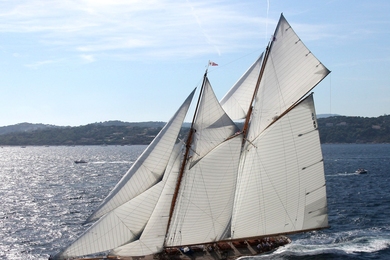
New MIT Museum exhibit to explore life and career of influential ship designer and alumnus Nathaniel Greene Herreshoff.
New findings show Asia produces twice as much mercury emissions as previously thought.
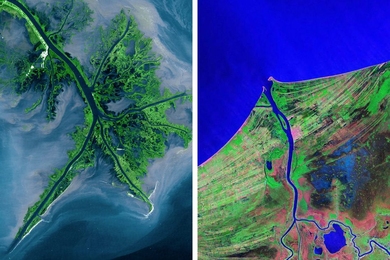
New method may help engineers determine coastal impact of dams and levees.
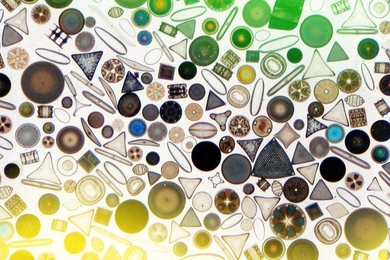
Study finds many species may die out and others may migrate significantly as ocean acidification intensifies.
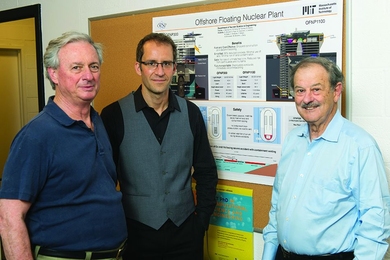
A nuclear power plant that will float eight or more miles out to sea promises to be safer, cheaper, and easier to deploy than today’s land-based plants.
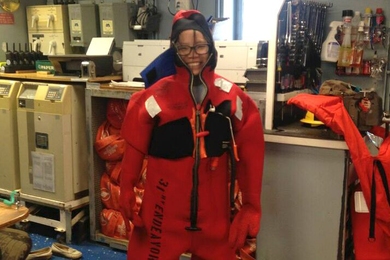
A witness to “a montage of environmental changes” in her native China, grad student Ruby Fu now studies the fate of methane bubbles in the ocean.
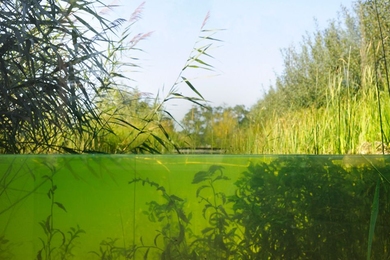
Model could help engineers design erosion-prevention strategies in marshes, wetlands, aquatic forests.
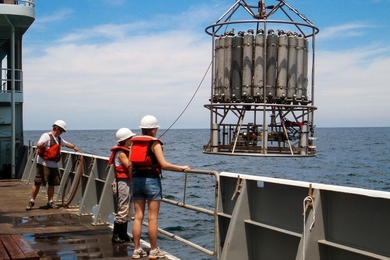
Cycling of nitrous oxide, a potent greenhouse gas, is more intense than thought, and emissions are increasing.
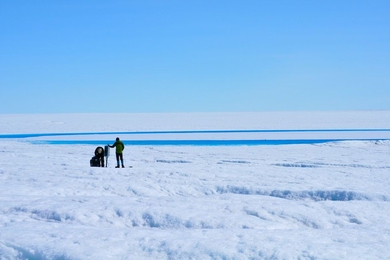
Draining lakes are unlikely to increase the Greenland ice sheet’s contribution to sea-level rise.
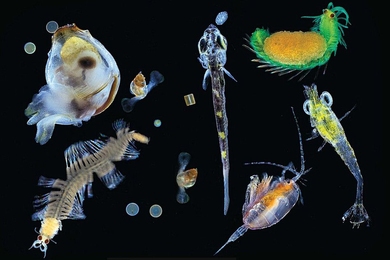
New research indicates marine plankton are not only more diverse than previously thought, but also profoundly affected by their environment.