
Cognitive scientists define critical period for learning language
Study shows children remain adept learners until the age of 17 or 18.
Study shows children remain adept learners until the age of 17 or 18.
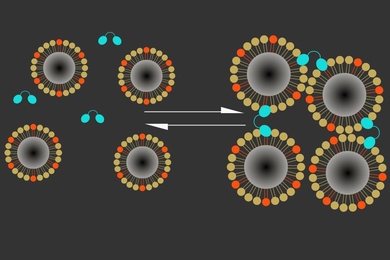
System detects direct signals of neural activity; could reveal patterns underlying behavior.
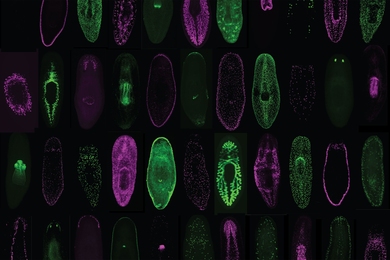
Whitehead team analyzes transcriptomes for roughly 70,000 cells in planarians, creates publicly available database to drive further research.
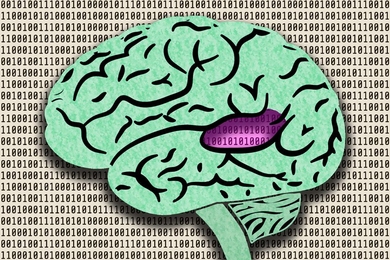
Neuroscientists train a deep neural network to analyze speech and music.
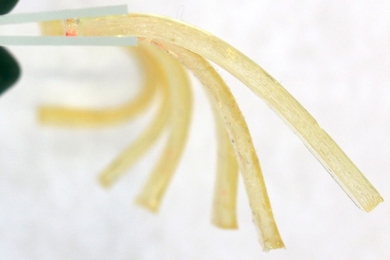
Using the stimulant as a catalyst, researchers create new gels for drug delivery.

Mouse study links early metastasis to systemic inflammation caused by wound healing.
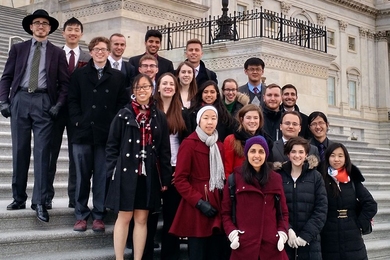
Members of MIT's Science Policy Initiative meet with members of Congress on Science-Engineering-Technology Congressional Visits Day 2018.
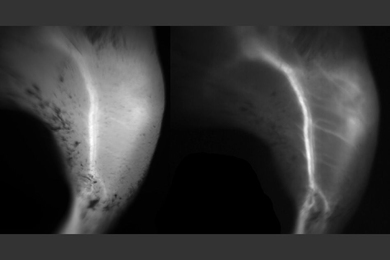
Technique could allow doctors and researchers to generate clearer images of blood vessels and other tissues.

Director of MIT Washington Office calls bill “very good news for science funding.”
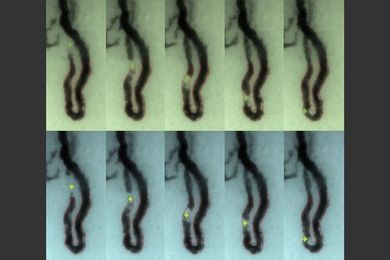
Technology could help prevent life-threatening infections in patients receiving chemotherapy.
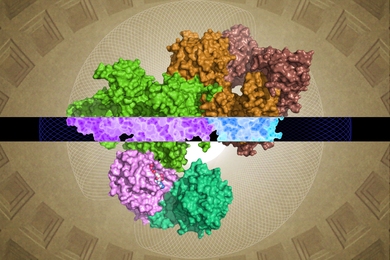
Researchers identify the molecular structure of the GATOR1 protein complex, which regulates growth signals in human cells, using cryo-electron microscopy.
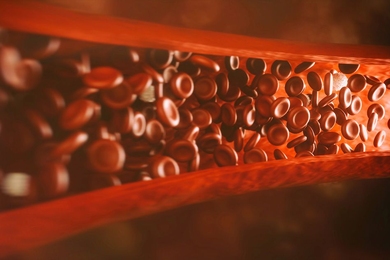
Activating proteins linked to longevity may help to increase endurance and combat frailty in the elderly.
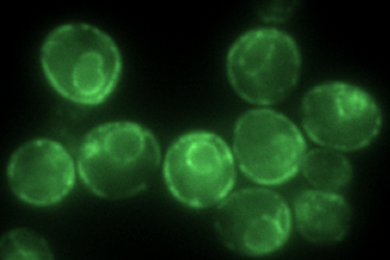
Whitehead Institute study in yeast illuminates the role of a molecular de-clogger in disease biology.

MIT biological engineers discover why a promising drug failed in clinical trials.
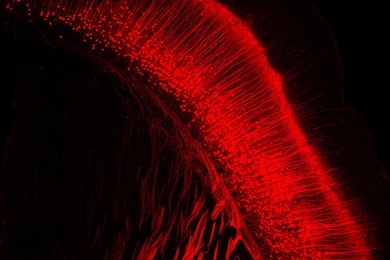
New technique is nontoxic to cells, should allow scientists to study neuron function for months or years instead of weeks.