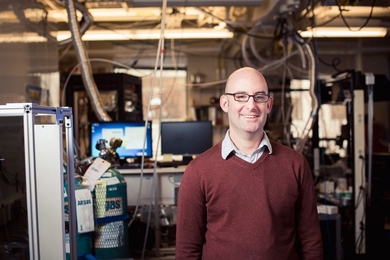
Zeroing in on the chemistry of the air
Jesse Kroll examines how pollutants change chemically as they waft around the globe.
Jesse Kroll examines how pollutants change chemically as they waft around the globe.
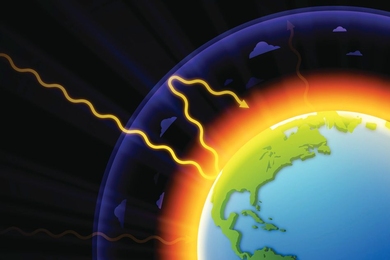
Carbon dioxide isn’t the only one that matters, and the gases vary widely in potency and duration.
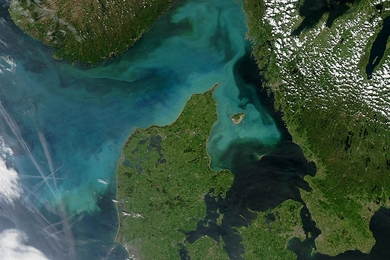
Marking 25 years of science and policy studies, the MIT Joint Program launches new website showcasing its expanded research portfolio.
Energy scenarios provide useful decision-support tools for policymakers and investors.
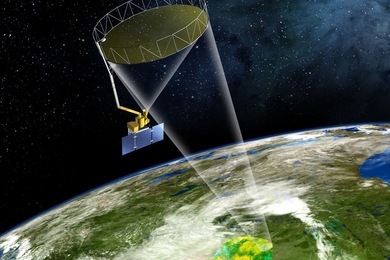
First year of data from SMAP satellite provides new insights for weather, agriculture, and climate.
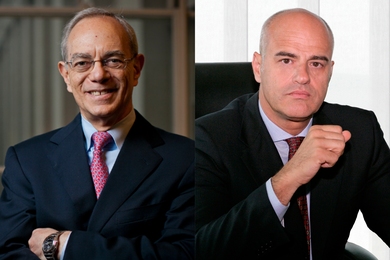
In Rome, MIT President Reif and Eni CEO Descalzi discuss low-carbon breakthroughs and future research.

Through warming effects, methane and other gases impact rising seas long after leaving the atmosphere.
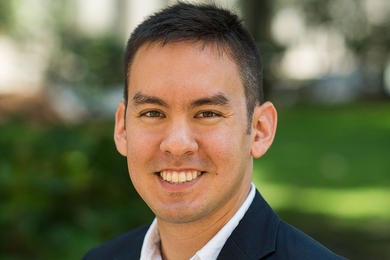
Paul Kishimoto, a PhD student in IDSS, probes the future of transportation in China.
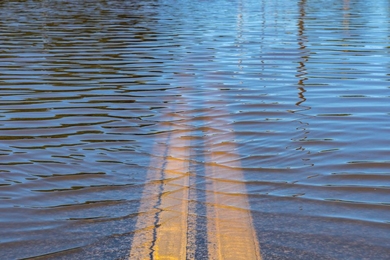
New technique predicts frequency of heavy precipitation with global warming.
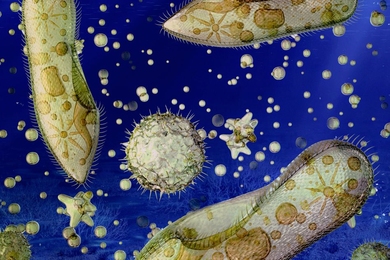
Bacteria can survive in marine environments that are almost completely starved of oxygen.
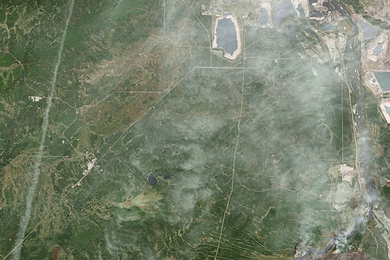
Study finds accounting for year-to-year variability enables more accurate projections of climate change and its impacts.
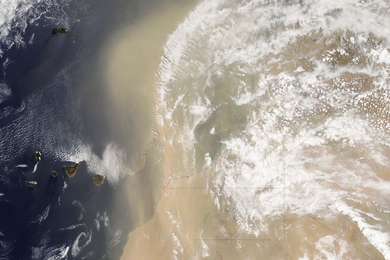
Scientists find huge reduction in African dust plume led to stronger Saharan monsoons 11,000 years ago.
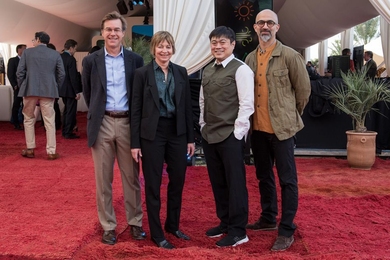
At UN Climate Change Conference, MIT researchers share insights on implementing climate commitments.

Why is it so hard for human beings to address climate change? What can motivate effective action?
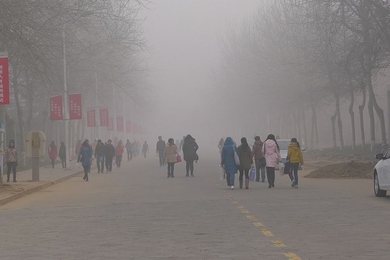
How an enhanced cap-and-trade system can help the world’s top carbon emitter cut emissions and improve air quality.