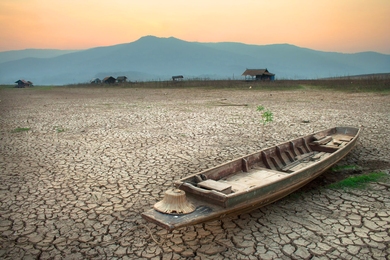
3 Questions: How philosophy can address the problem of climate change
MIT professor of philosophy Kieran Setiya explores how individuals and societies can think about and act on climate change.
MIT professor of philosophy Kieran Setiya explores how individuals and societies can think about and act on climate change.
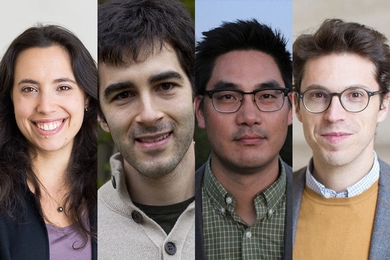
MIT's newest faculty bring a wide array of energy interests and developments to the Institute.
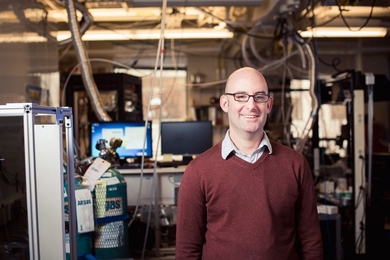
Jesse Kroll examines how pollutants change chemically as they waft around the globe.
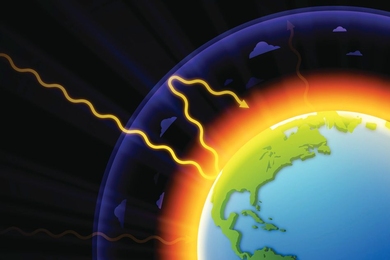
Carbon dioxide isn’t the only one that matters, and the gases vary widely in potency and duration.
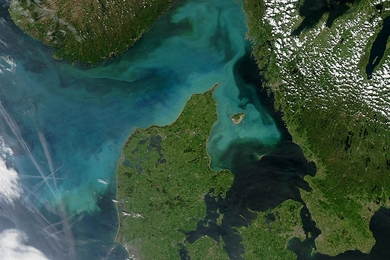
Marking 25 years of science and policy studies, the MIT Joint Program launches new website showcasing its expanded research portfolio.

Collaboration will explore ways of working with natural systems to address climate change.
Energy scenarios provide useful decision-support tools for policymakers and investors.
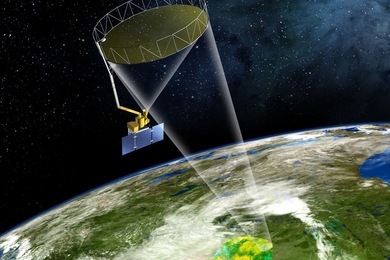
First year of data from SMAP satellite provides new insights for weather, agriculture, and climate.
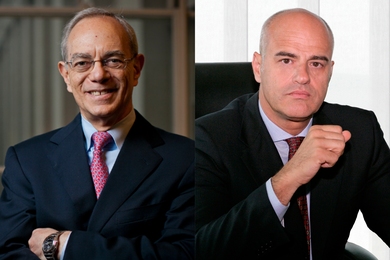
In Rome, MIT President Reif and Eni CEO Descalzi discuss low-carbon breakthroughs and future research.
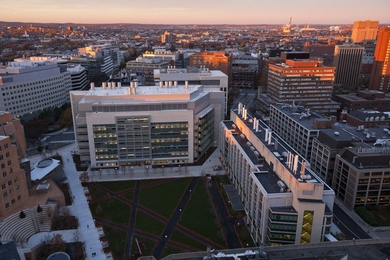
MIT releases results of its second campus-wide inventory.
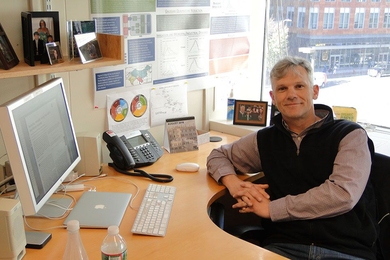
MIT research scientist C. Adam Schlosser assesses long-term risks to regional water and energy systems.
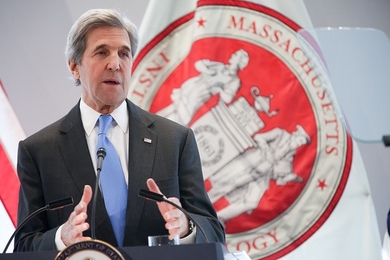
At MIT, U.S. Secretary of State highlights peril of climate change, economic promise of clean energy.

Through warming effects, methane and other gases impact rising seas long after leaving the atmosphere.
Paul Kishimoto, a PhD student in IDSS, probes the future of transportation in China.