A tax plan to stop climate change
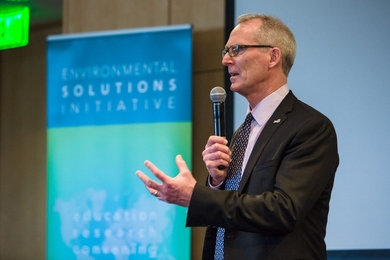
At MIT, former Congressman Bob Inglis speaks about climate and free enterprise.
At MIT, former Congressman Bob Inglis speaks about climate and free enterprise.
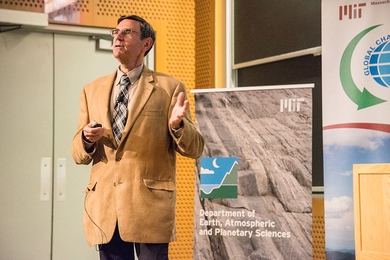
Climate data analyst Thomas Karl describes global temperature and precipitation measurement and interpretation in the 16th Henry W. Kendall Memorial Lecture.
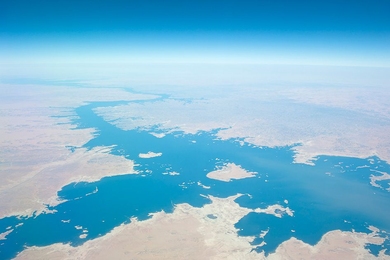
Climate change could lead to overall increase in river flow, but more droughts and floods, study shows.
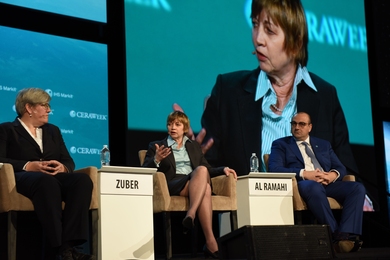
MIT energy and climate thought leaders play integral part in discussions at CERAWeek 2017.
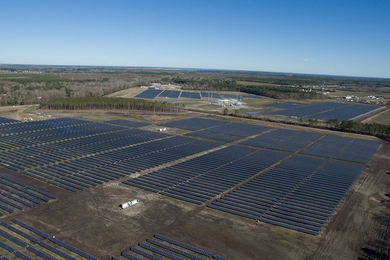
North Carolina solar farm is up and running, significantly offsetting Institute’s carbon emissions.
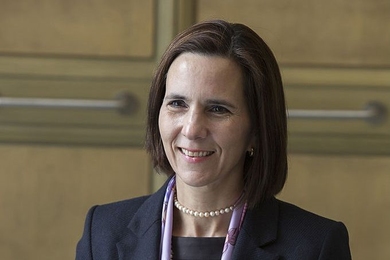
MIT alumna, Robert Wilhelm Fellow, and former Mexican government official discusses opportunities and challenges of recent reforms.
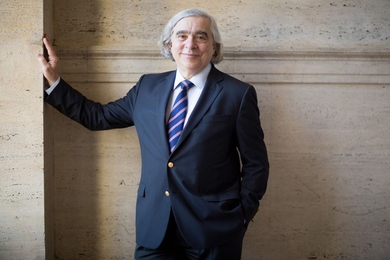
Fresh from nearly four years as U.S. Energy Secretary, Moniz returns to his roots at MIT.
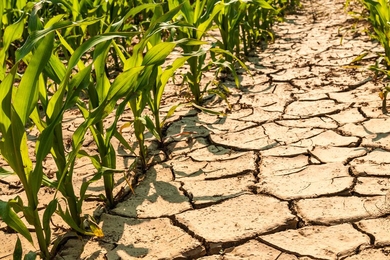
Over the next century, southern Africa will see widespread decreases in maize production.

Inexpensive, reliable, and forgettable storage systems could enable boom in renewables, say speakers at MIT Energy Conference.
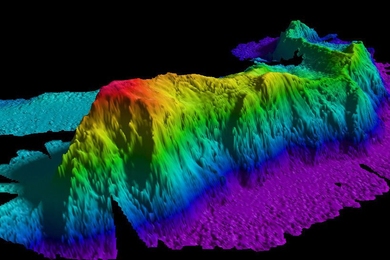
Turbulence from seafloor topography may explain longstanding question about ocean circulation.
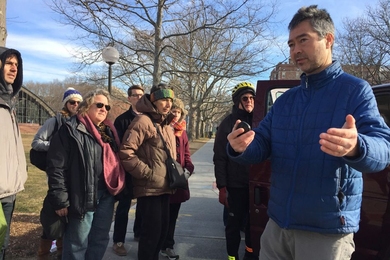
MIT students and community members go on the hunt for natural gas leaks.
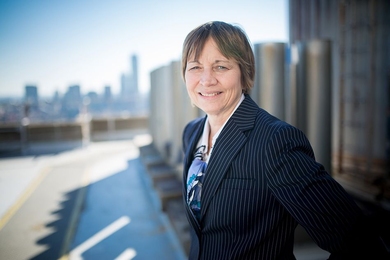
MIT’s vice president for research describes how growing up in eastern Pennsylvania shaped her views on climate policy.
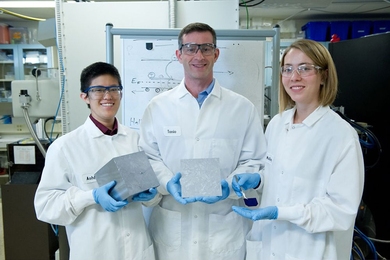
MIT mechanical engineers are leading an effort to detect defects that reduce efficiency.
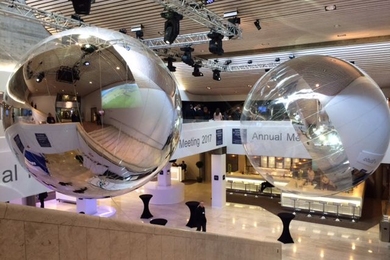
Climate-conscious sculptures influence world perspectives in Davos-Klosters, Switzerland.