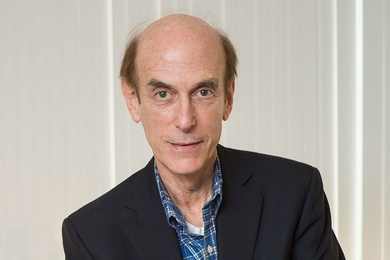
Stephen Lippard wins 2016 Welch Award
MIT professor of chemistry is honored for advancements in chemical research.
MIT professor of chemistry is honored for advancements in chemical research.
Ranked No. 1 for the fifth straight year, the Institute also places first in 12 of 42 disciplines.
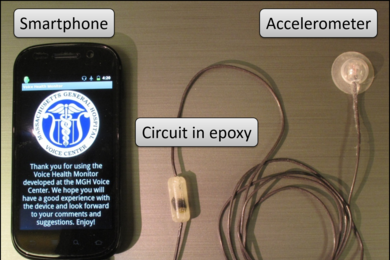
By detecting signs of vocal misuse, system from CSAIL and Mass General could eventually be used to help diagnose voice disorders.
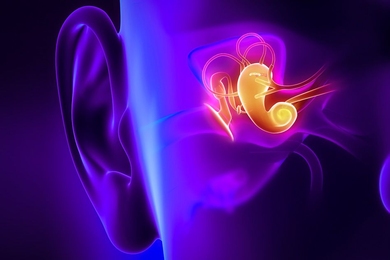
Shortwave infrared instrument from MIT could see deeper, help improve diagnosis of ear infections.
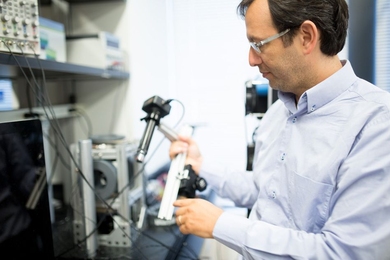
Alfredo Alexander-Katz probes systems in action, from clotting blood to walking molecules.

A novel interpretation of Raman spectra will help the 2020 Mars rover select rocks to study for signs of life.
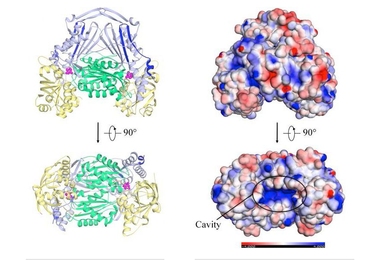
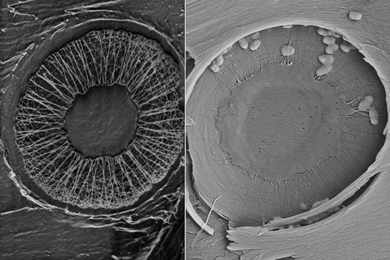
Four new projects and one renewal receive $150,000 in funding for 2016-2017.
New sensor could help anesthesiologists place needles for epidurals and other medical procedures.
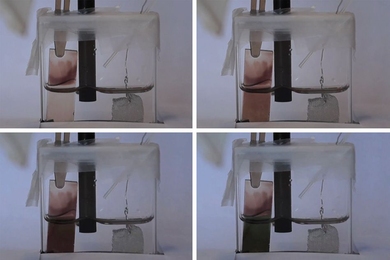
New system can rapidly switch glass from transparent to dark — and keep it that way without power.
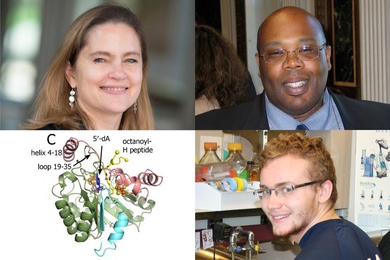
Study finds enzyme “cannibalizes” itself to perform an essential reaction.
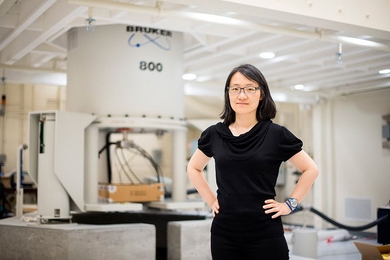
Chemistry professor Mei Hong studies the structures of proteins embedded in cell membranes.
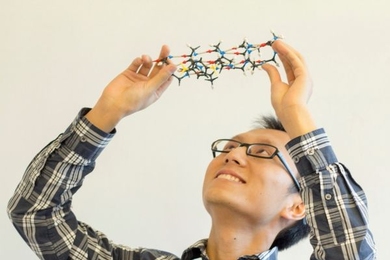
Established in 2013, the Regeneron Prize is the country’s most prestigious award a graduate student in the field can receive.
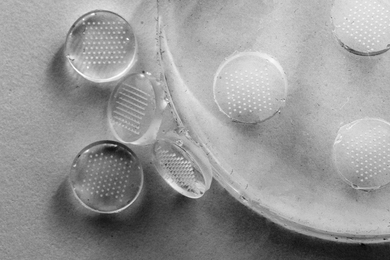
Workshop led by scientist and photographer Felice Frankel teaches researchers how to translate experiments into captivating images.