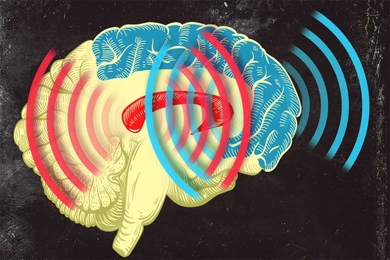
Synchronized brain waves enable rapid learning
MIT study finds neurons that hum together encode new information.
MIT study finds neurons that hum together encode new information.

Being in a group makes some people lose touch with their personal moral beliefs, researchers find.
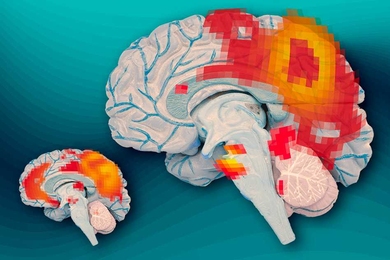
Brain scans differentiate adults who have recovered from childhood ADHD and those whose difficulties linger.

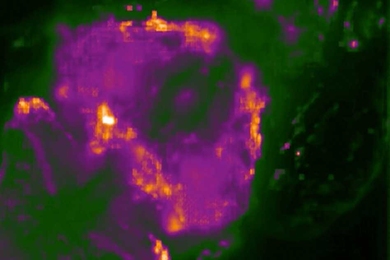
New technique allows scientists to monitor the entire nervous system of a small worm.
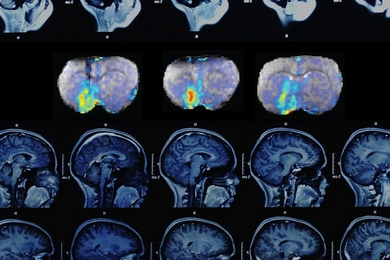
MRI sensor allows neuroscientists to map neural activity with molecular precision.
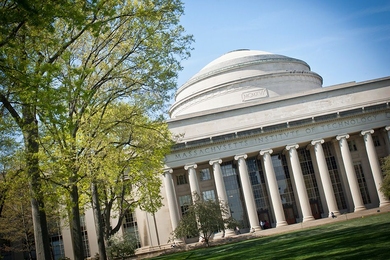
Acemoglu, Brown, Grossman, and Grove bring to 77 the number of MIT faculty who are NAS members.
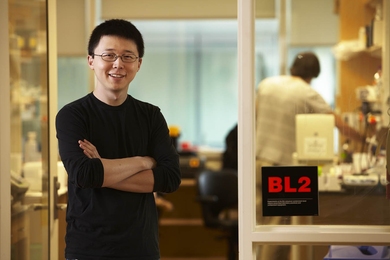
Waterman Award is NSF's highest honor recognizing an outstanding researcher under the age of 35.

Neuroscientists identify a brain circuit that’s key to shifting our focus from one object to another.
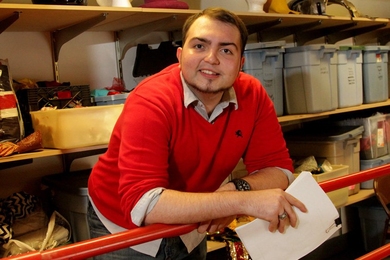
First-generation senior Salvador Esparza finds roles in the lab, in the dorm, and onstage.
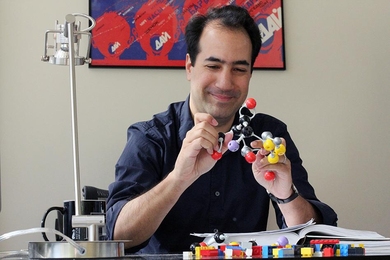
New MIT technique could help decipher genes’ roles in learning and memory.
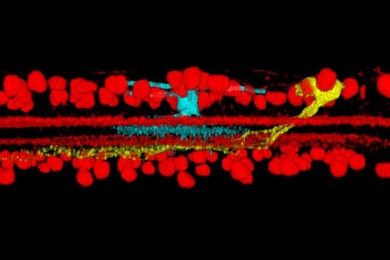
New technique classifies retinal neurons into 15 categories, including some previously unknown types.
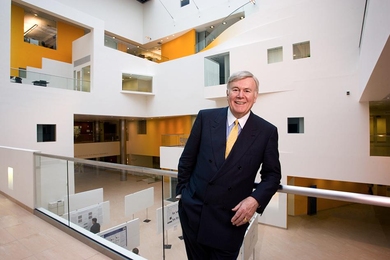
$350 million gift in 2000 aimed to broaden neuroscientists’ understanding of the human brain.
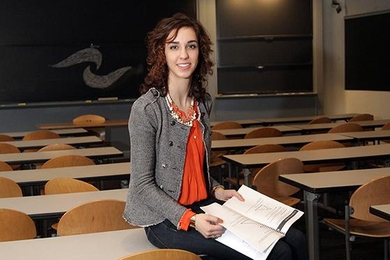
A senior in brain and cognitive sciences, Aliya Dincer turns next to challenges in education and economics.
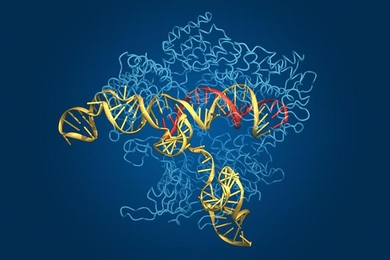
Work reveals how a genome-editing tool works to correct errors in the genetic code.