Model can more naturally detect depression in conversations
Neural network learns speech patterns that predict depression in clinical interviews.
Neural network learns speech patterns that predict depression in clinical interviews.

Stimulating the brain’s caudate nucleus generates a negative outlook that clouds decision-making.
Personalized machine-learning models capture subtle variations in facial expressions to better gauge how we feel.
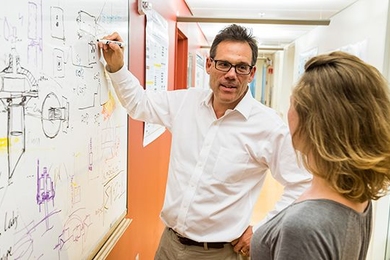
The McKnight technology award supports scientists using novel and creative approaches to understanding brain function.
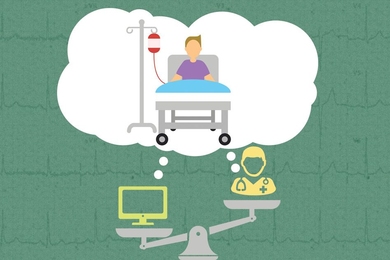
Computer scientists find that physicians’ “gut feelings” influence how many tests they order for patients.
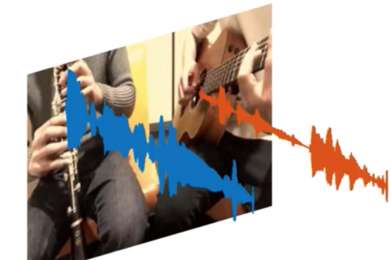
Given a video of a musical performance, CSAIL’s deep-learning system can make individual instruments louder or softer.
![An example of a therapy session augmented with humanoid robot NAO [SoftBank Robotics], which was used in the EngageMe study. Tracking of limbs/faces was performed using the CMU Perceptual Lab's OpenPose utility.](/sites/default/files/styles/term_page__news_article/public/images/201806/MIT-Autism-Robots.png?itok=WUVBwk3H)
Machine learning network offers personalized estimates of children’s behavior.
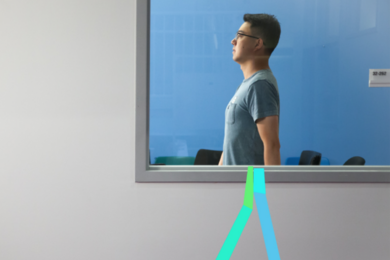
Wireless smart-home system from the Computer Science and Artificial Intelligence Laboratory could monitor diseases and help the elderly “age in place.”
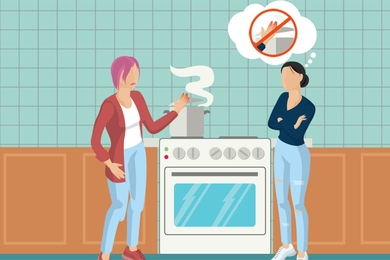
Scientists pinpoint neural interactions that are necessary for observational learning.
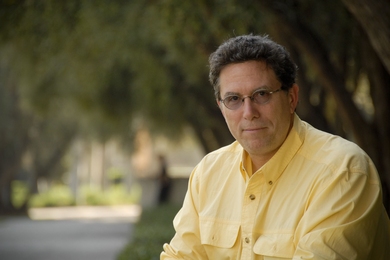
Neuroscientist honored for his work on the biology of neural stem cells and neural circuits that control emotional behaviors.
Startup’s platform crunches anonymized smartphone GPS data to understand how people shop, work, and live.
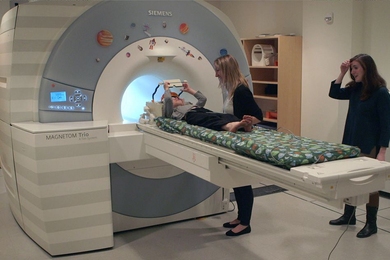
Children as young as 3 have brain network devoted to interpreting thoughts of other people.
Founder Teppei Yamamoto designs new tools to comprehend political behavior transformed by digital technology.
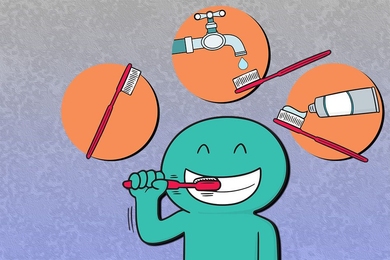
Study identifies neurons that fire at the beginning and end of a behavior as it becomes a habit.

MIT senior and Marshall Scholar Liang Zhou wants to elucidate the neural basis for our thoughts and intuitions.