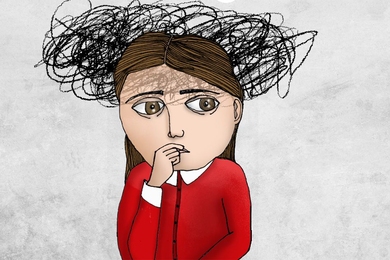
Stress can lead to risky decisions
Neuroscientists find chronic stress skews decisions toward higher-risk options.
Neuroscientists find chronic stress skews decisions toward higher-risk options.

Youth-to-youth program teaches girls about the increased odds of contracting HIV from older men.

Study finds good feelings from one negotiation can damage subsequent performance.

Study finds infants try harder after seeing adults struggle to achieve a goal.
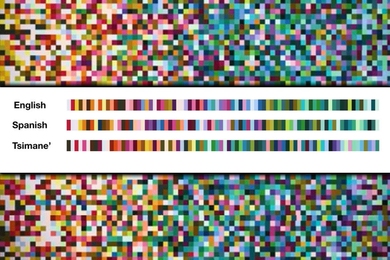
Cognitive scientists find that people can more easily communicate warmer colors than cool ones.

Study finds faulty research creates a significant drop in use of prior published work.
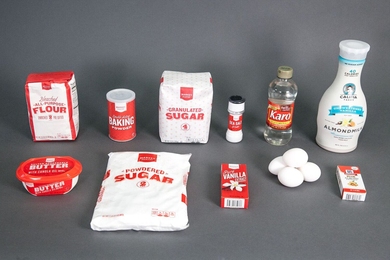
Given a still image of a dish filled with food, CSAIL team's deep-learning algorithm recommends ingredients and recipes.
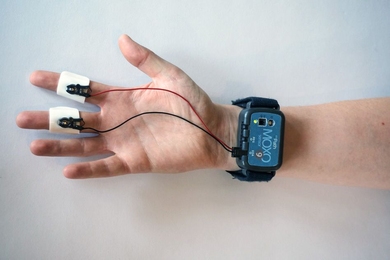
Startup’s stress sensor tracks users’ unconscious responses to products and experiences.
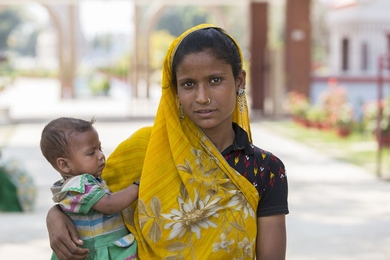
Can an antipoverty program work in different settings? A new report presents a user’s guide to a tough issue.

Andrew Lo’s new book urges a rethink of financial markets, along evolutionary lines.
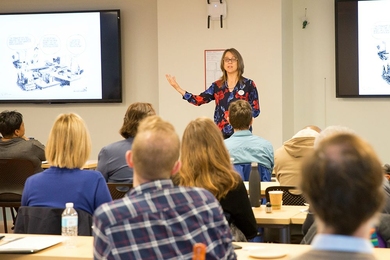
A new initiative developed by the Teaching and Learning Lab is designed to increase students’ sense of academic belonging.
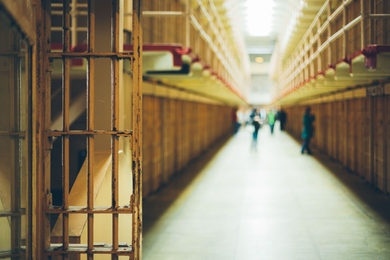
J-PAL North America tests innovative strategies to reduce recidivism and help inmates transition back to society.
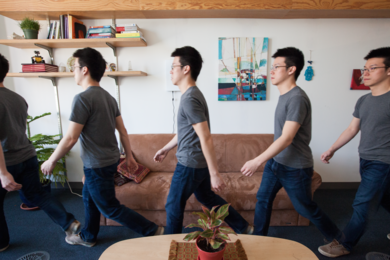
By measuring this emerging vital sign, CSAIL system could help monitor and diagnose health issues like cognitive decline and cardiac disease.
In more than 20 years working on wireless sensors and radio frequency identification (RFID), Richard Fletcher has produced several startups and over a dozen patents.
New findings shed light on how we quickly assess risks and rewards before acting.