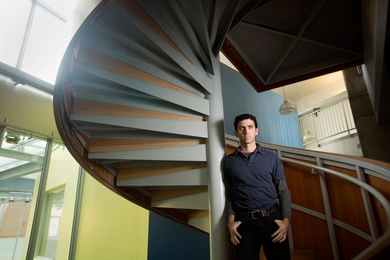
Researchers generate a reference map of the human epigenome
Better understanding of epigenetic modifications could elucidate their role in human traits, diseases.
Better understanding of epigenetic modifications could elucidate their role in human traits, diseases.
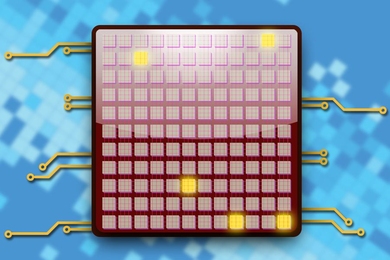
Researchers revamp a common “data structure” so that it will work with multicore chips.

Newly tenured biological engineer Ernest Fraenkel goes where the numbers lead.
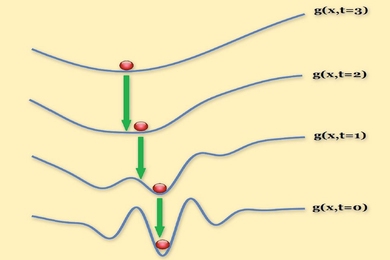
Analysis shows how to get the best results when approximating solutions to complex engineering problems.

Planning algorithms evaluate probability of success, suggest low-risk alternatives.

Una-May O'Reilly applies machine learning and evolutionary algorithms to tackle some of the world's biggest big-data challenges.
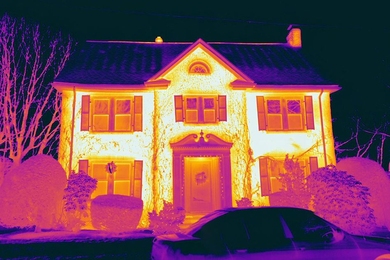
Startup’s thermal-imaging cars can quickly track energy leaks in thousands of homes and buildings.
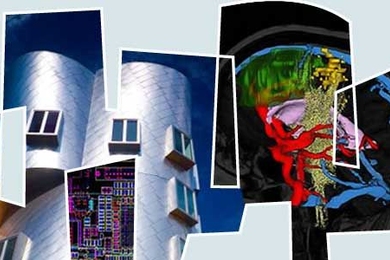
Here are eight of the coolest things that happened at CSAIL in 2014.
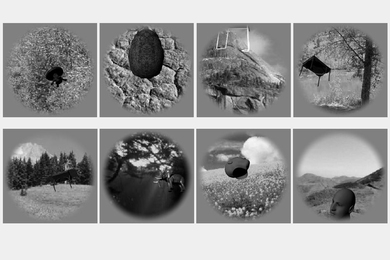
Newest computer neural networks can identify visual objects as well as the primate brain.

Robots, virtual visit from will.i.am aim to get kids excited about programming.
New system enables pattern-recognition systems to convey what they learn to humans.
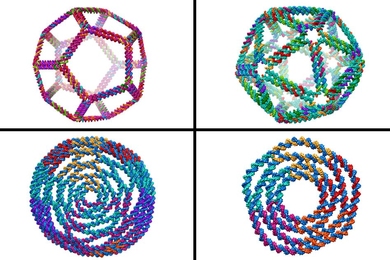
Engineers computer-design the most complicated 3-D structures ever made from DNA.

Model for evaluating product-recommendation algorithms suggests that trial and error get it right.

CSAIL/LIDS team's algorithm doubles initial investment in under two months.