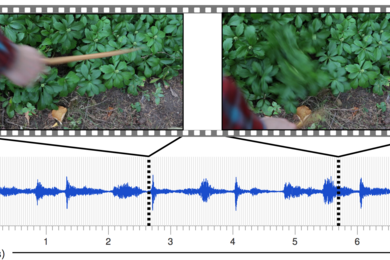
Artificial intelligence produces realistic sounds that fool humans
Video-trained system from MIT’s Computer Science and Artificial Intelligence Lab could help robots understand how objects interact with the world.
Video-trained system from MIT’s Computer Science and Artificial Intelligence Lab could help robots understand how objects interact with the world.

New algorithm could stitch together astronomical measurements made across the globe.

Analysis shows popular video game is among the hardest problems in the “complexity class” PSPACE.
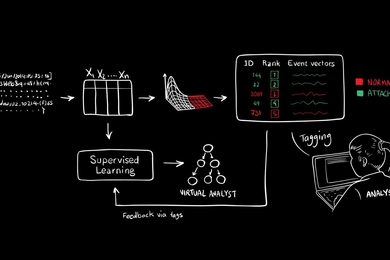
Virtual artificial intelligence analyst developed by the Computer Science and Artificial Intelligence Lab and PatternEx reduces false positives by factor of 5.

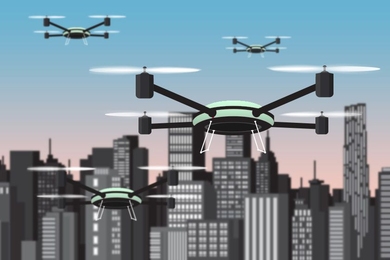
Fleet of autonomous vehicles will serve as convenient form of public transit while reducing emissions.
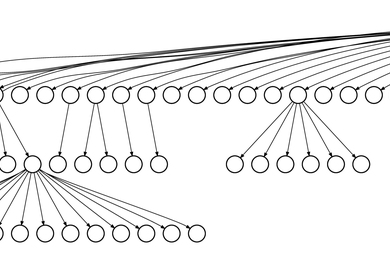
"Polaris" system from MIT's Computer Science and Artificial Intelligence Lab accelerates website load-time by decreasing network trips.

New quantum computer, based on five atoms, factors numbers in a scalable way.

Software mines insurance claims data to determine best coverage for employees, within a budget.

System could help prevent robots from overwhelming human teammates with information.

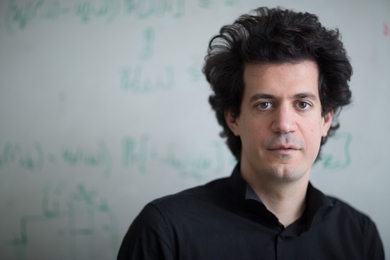
Constantinos Daskalakis adapts techniques from theoretical computer science to game theory.

Low-power chip processes 3-D camera data, could enable wearable device to guide the visually impaired.

Automatic bug-repair system fixes 10 times as many errors as its predecessors.
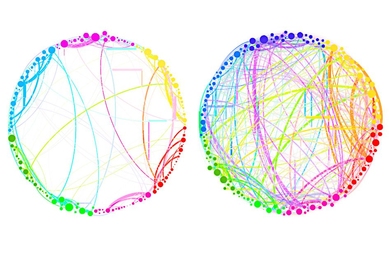
System for handling massive digital datasets could make impossibly complex problems solvable.