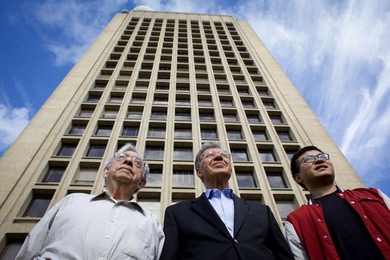
With new model, buildings may “sense” internal damage
System predicts how MIT’s tallest structure responds to vibrations, may help monitor stress over time.
System predicts how MIT’s tallest structure responds to vibrations, may help monitor stress over time.

Tuka Al-Hanai and Mohammad Ghassemi have connected over 500 MIT students for more than 1,000 lunch meetings.
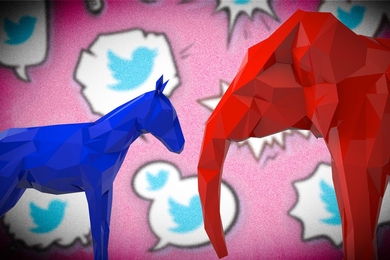
“Electome” project charts the national conversation in unique detail.
New version of breakthrough memory management scheme better accommodates commercial chips.
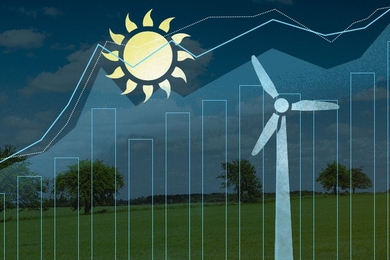
Financial-modeling software for sustainable-infrastructure projects could boost investment in sector.
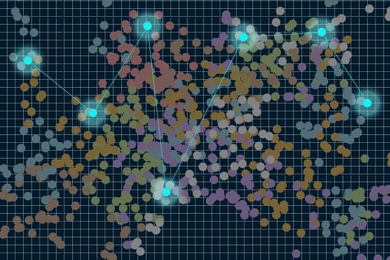
New programming language delivers fourfold speedups on problems common in the age of big data.
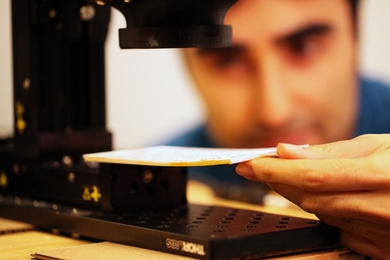
New computational imaging method identifies letters printed on first nine pages of a stack of paper.
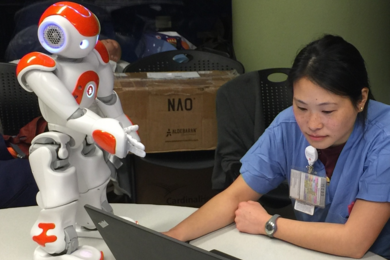
System from Computer Science and Artificial Intelligence Lab suggests where to move patients and who should do C-sections.
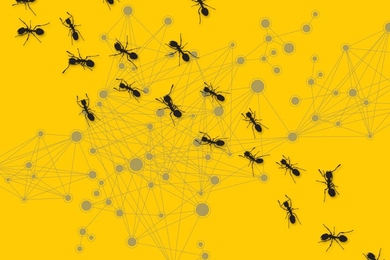
Analysis of ant colony behavior could yield better algorithms for network communication.
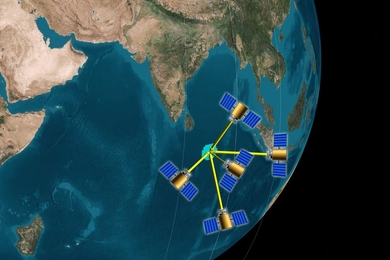
Batches of shoebox-sized satellites could improve estimates of Earth’s reflected energy.
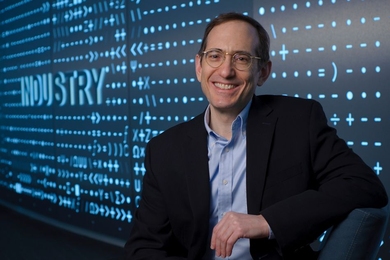
Associate Professor Ernest Fraenkel uses biological network modeling to identify new targets for disease.
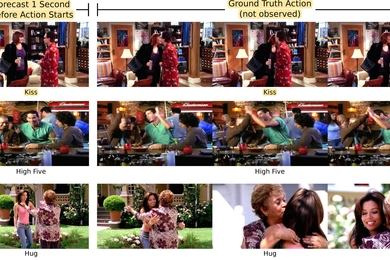
Deep-learning vision system from the Computer Science and Artificial Intelligence Lab anticipates human interactions using videos of TV shows.
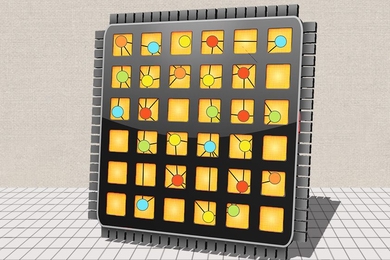
New chip design makes parallel programs run many times faster and requires one-tenth the code.
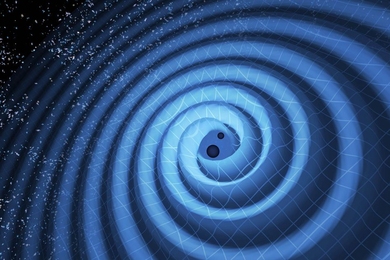
Signal was produced by two black holes colliding 1.4 billion light years away.