Advanced LIGO set to begin science operations
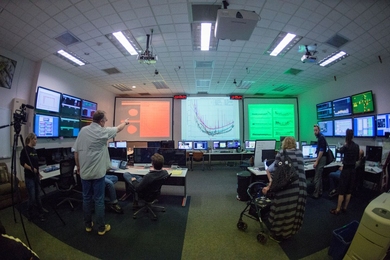
The world's most sensitive gravitational-wave detector is scheduled to go online this week, after seven years of enhancement.
The world's most sensitive gravitational-wave detector is scheduled to go online this week, after seven years of enhancement.

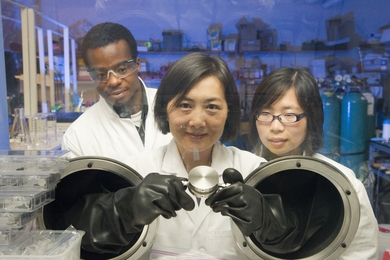
MIT Solar Day brings the MIT community together to preview the coming decades of solar energy innovation.
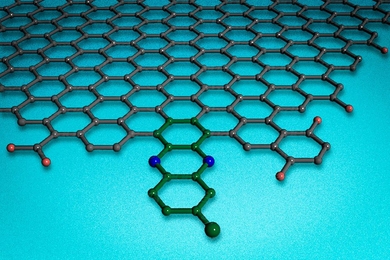
Material could replace precious metals and produce precisely controlled electrochemical reactivity.

New study finds massive eruptions likely triggered mass extinction.
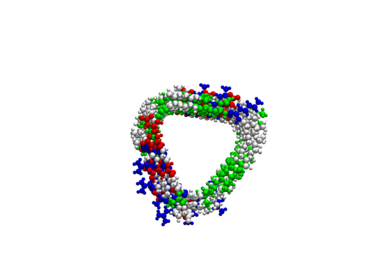
New programming tool could help engineers build biologically inspired materials.
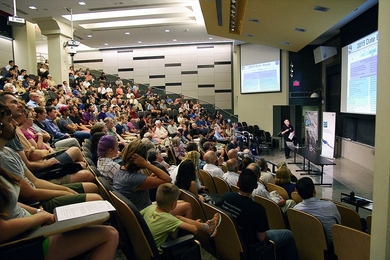
MIT astronomer Richard Binzel describes lengthy preparation for this year’s successful flyby of Pluto.
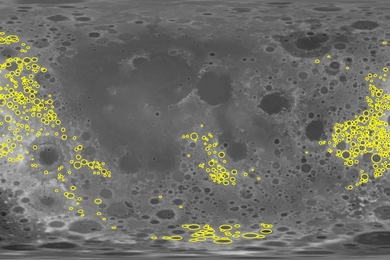
Study finds barrage of small asteroids shattered moon’s upper crust.
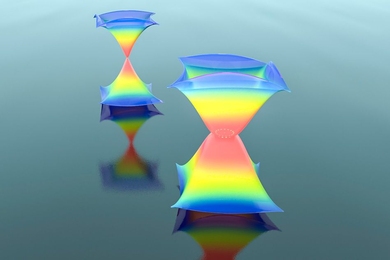
Researchers create exotic states that could lead to new kinds of sensors and optical devices.
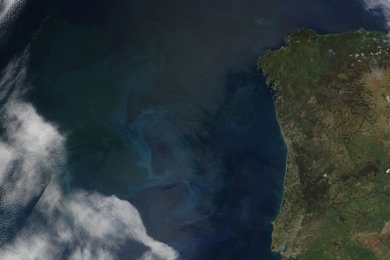
MIT researchers find unintended consequences of an idea to stimulate ocean phytoplankton growth in order to geoengineer a cooler atmosphere.
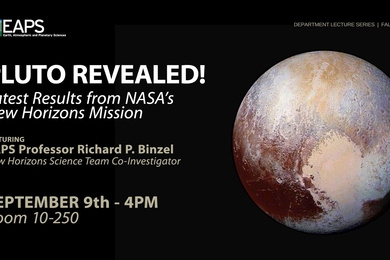
Professor Richard Binzel, NASA New Horizons science team co-PI, shares mission results on Sept. 9.

A pair of Class of 2010 roommates, entrepreneurial buddies while on campus, recently teamed up to launch a wine club based on big data.
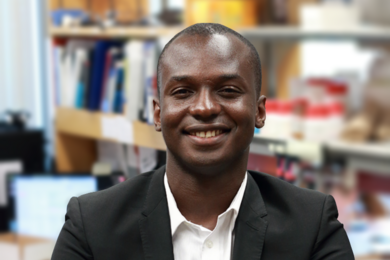
Assistant professor of physics probes the formation of enzyme clusters that enable gene copying and protein production in living cells.