
An Arctic ozone hole? Not quite
MIT researchers find that the extremes in Antarctic ozone holes have not been matched in the Arctic.
MIT researchers find that the extremes in Antarctic ozone holes have not been matched in the Arctic.
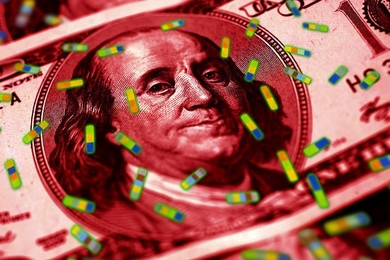
Chemical engineers hope smartphone-readable microparticles could crack down on counterfeiting.

Killian Award recipient Stephen Lippard describes his work on platinum-based chemotherapy agents.
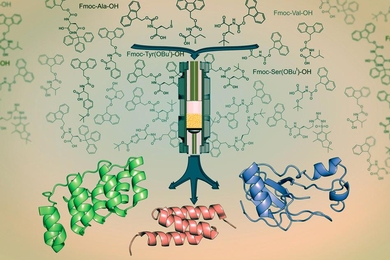
Chemists devise a new way to manufacture peptide drugs, which hold promise for treating many diseases.
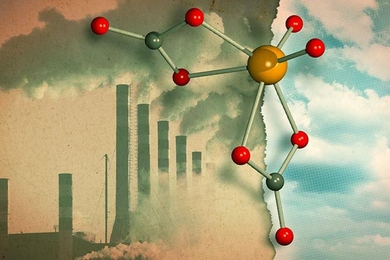
MIT chemists devise a reaction that traps carbon dioxide and turns it into something useful.

Spectroscopy techniques demonstrate ballistic motion at micron length scales, open door to new possibilities for semiconductors, thermoelectrics.
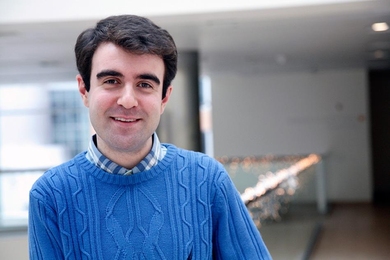
Rhodes Scholar John Mikhael, who calls both the U.S. and Lebanon home, is also comfortable in many scientific fields.
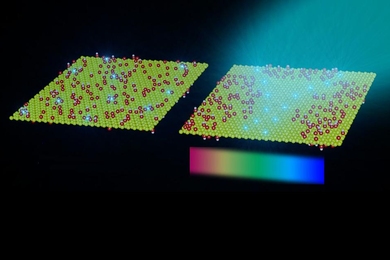
MIT team develops simple, inexpensive method that could help realize material’s promise for electronics, solar power, and sensors.

Shifts in zinc’s location could be exploited for early diagnosis of prostate cancer.
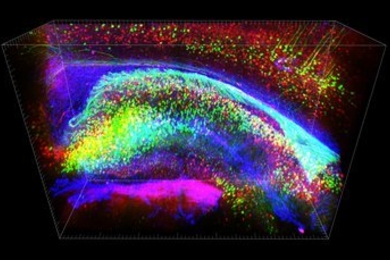
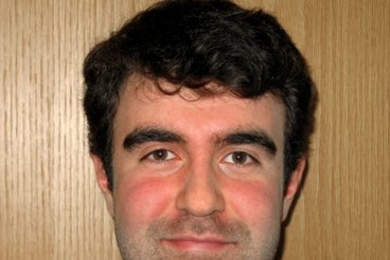
Recent MIT graduate in mathematics, who has also conducted research in neuroscience, will study at Oxford next year.

Speakers at the office’s ribbon-cutting ceremony praised the late chemistry professor for his contributions to science education.
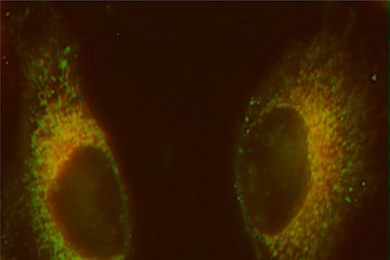
Chemists develop new way to kill cancer cells resistant to the chemotherapy drug cisplatin.
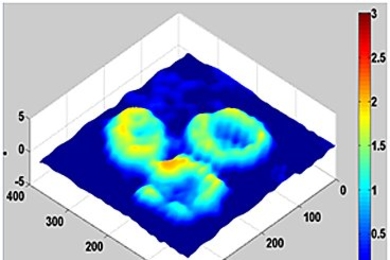
New microscopy technique allows scientists to visualize cells through the walls of silicon microfluidic devices.