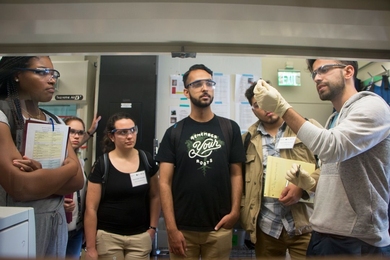
Summer interns' lab work underway
Summer Scholars in materials science and engineering are tackling projects ranging from magnetic thin films to catalysts for energy.
Summer Scholars in materials science and engineering are tackling projects ranging from magnetic thin films to catalysts for energy.
Machine learning approach could aid the design of industrial processes for drug manufacturing.
SuperUROP gives undergraduates the chance to immerse themselves in a year-long research project with supportive mentors to guide the way.
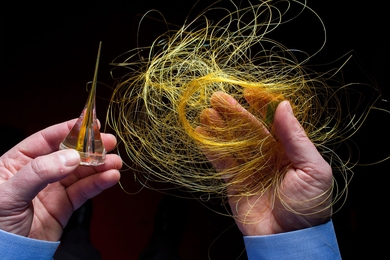
New AFFOA facility represents a significant MIT investment in advanced manufacturing innovation.

Following their MIT studies, graduates in MIT’s Reserve Officer Training Corps set off on new challenges in the U.S. military.
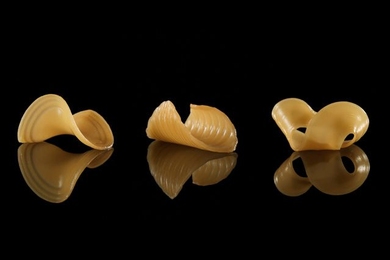
Sheets of gelatin transform into 3-D shapes when dunked in water; could save food shipping costs.
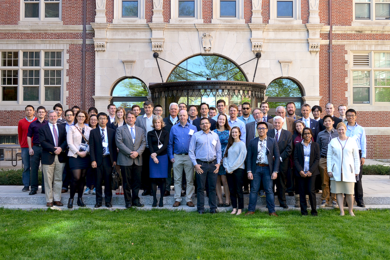
MIT researchers team up with leaders from the metals and minerals industry to envision a more sustainable future.
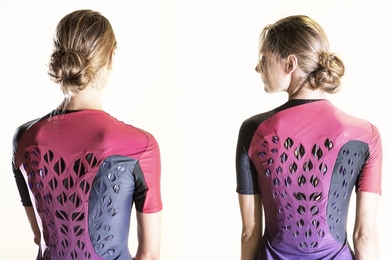
Ventilating flaps lined with live cells open and close in response to an athlete’s sweat.


Principal investigators will receive grants of up to $200,000 per year for two years, overhead free, for innovative research on food and water challenges.
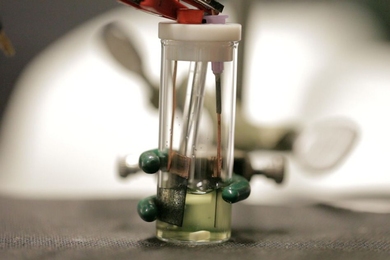
Electrochemical method can remove even tiny amounts of contamination.
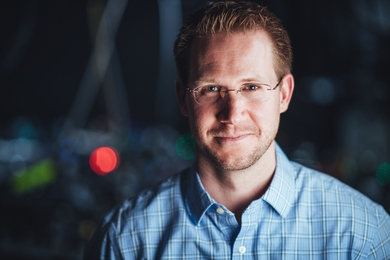
Associate professor receives honor for young academics who combine outstanding teaching with impressive independent scholarship in the chemical sciences.
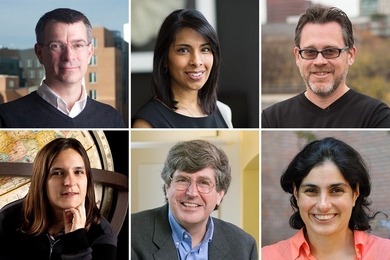
Bell, Bhatia, Cummins, Duflo, Jensen, and Mavalvala honored for research achievements.
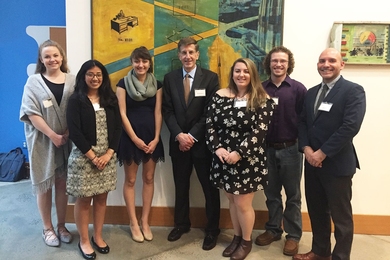
MIT grad student John Arroyo honored for his service to the community; six high school and college students awarded $1,000 Memorial Scholarships.
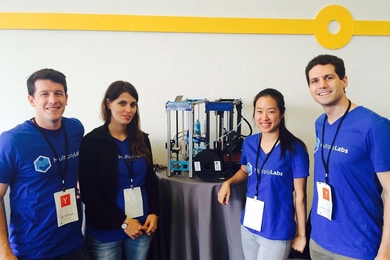
Seed funding from the MIT Sandbox Innovation Fund helped Multiply Labs' founders launch their personalized dietary supplement startup.