
Artificial intelligence senses people through walls
Wireless smart-home system from the Computer Science and Artificial Intelligence Laboratory could monitor diseases and help the elderly “age in place.”
Wireless smart-home system from the Computer Science and Artificial Intelligence Laboratory could monitor diseases and help the elderly “age in place.”
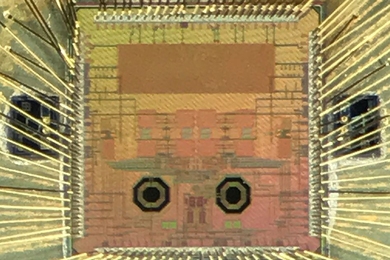
Device uses ultrafast “frequency hopping” and data encryption to protect signals from being intercepted and jammed.
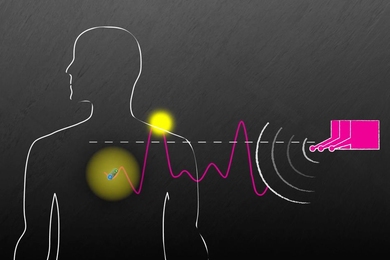
New technology could enable remote control of drug delivery, sensing, and other medical applications.

Katabi receives prestigious honor and $250,000 cash prize for her contributions to wireless systems.

By measuring this emerging vital sign, CSAIL system could help monitor and diagnose health issues like cognitive decline and cardiac disease.
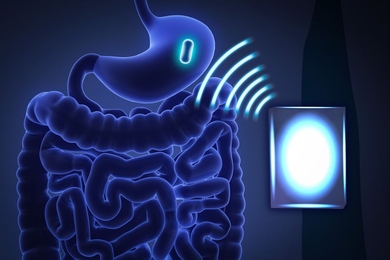
Small sensors or drug delivery devices could reside in the GI tract indefinitely.
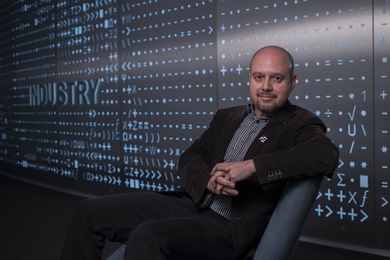
In more than 20 years working on wireless sensors and radio frequency identification (RFID), Richard Fletcher has produced several startups and over a dozen patents.
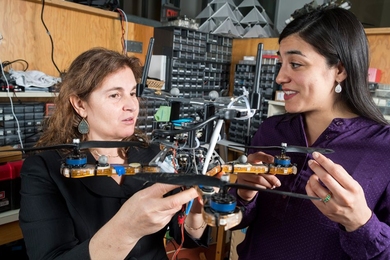
New technique could protect robot teams’ communication networks from malicious hackers.
New chip would thwart the counterfeiting that plagues the market for wired device chargers.
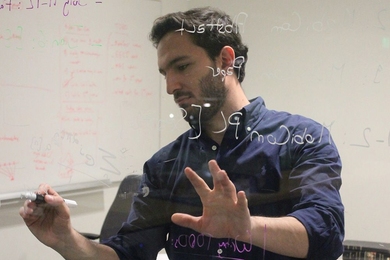
Adib is directing a new research group at the Media Lab, aiming to uncover, analyze, and engineer natural and human-made networks.
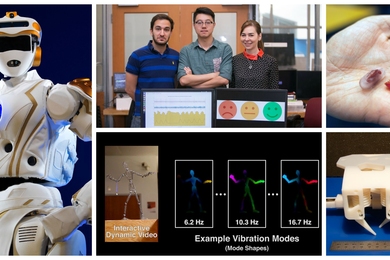
A look at 16 of the coolest things that happened at the Computer Science and Artificial Intelligence Laboratory in 2016.

Free high-speed outdoor internet service implemented by MIT and partners.
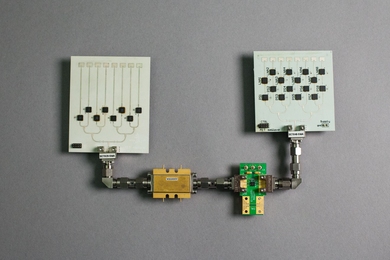
Developed at Computer Science and Artificial Intelligence Laboratory, “MoVR” system allows VR headsets to communicate without a cord
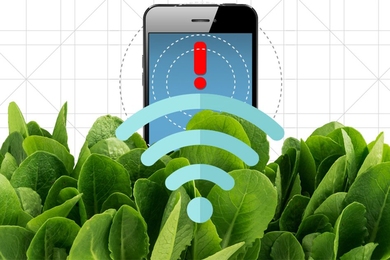
After sensing dangerous chemicals, the carbon-nanotube-enhanced plants send an alert.

MegaMIMO system from the Computer Science and Artificial Intelligence Lab speeds data transfer by coordinating multiple routers at the same time.