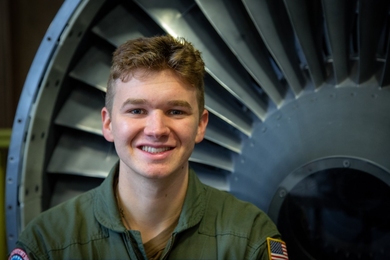
Built to fly
MIT senior, master's candidate, and airman Brian Robinson lives and works at the intersection of aviation, politics, and technology.
MIT senior, master's candidate, and airman Brian Robinson lives and works at the intersection of aviation, politics, and technology.
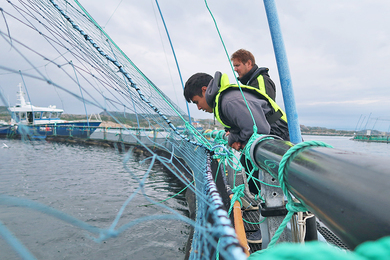
AquaCulture Shock program, in collaboration with MIT-Scandinavia MISTI, offers international internships for AI and autonomy in aquaculture
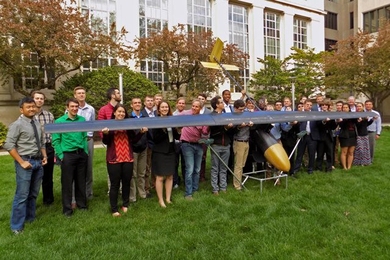
New design could provide communication support in disaster zones.
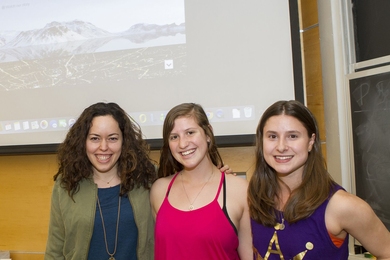
Fourth annual CEE Video Competition highlights global research and opportunities.
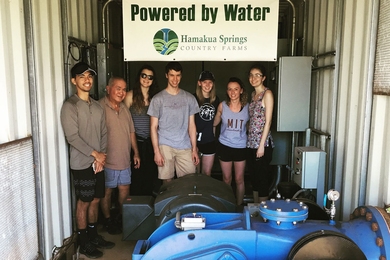
TREX program from the Department of Civil and Environmental Engineering offers undergraduates the opportunity to get out in the field.
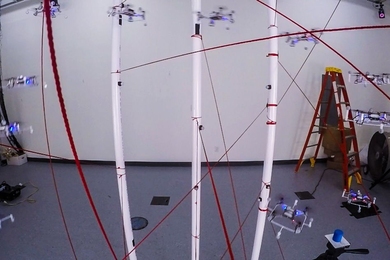
Motion-planning algorithms allow drones to do donuts, figure-eights in object-filled environments.
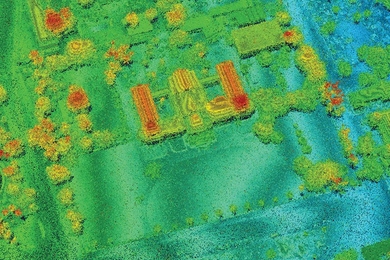
Research and development at MIT Lincoln Laboratory will help agencies better respond to disasters and humanitarian crises.

Nick Roy develops unmanned aerial vehicles that can operate autonomously in constrained spaces and unmapped environments.

Media Lab alumni’s success with “smart” gaming blocks led to an acquisition deal to make consumer drones.
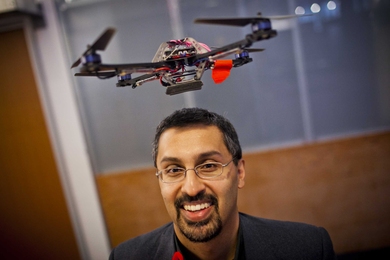
Autonomy expert led MIT-heavy team in developing “self-flying planes”
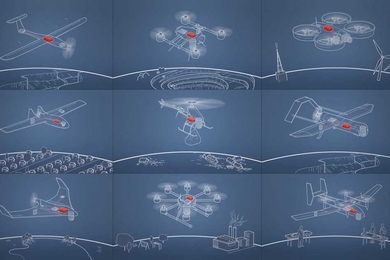
Airware’s operating system makes drones simple to build and modify for multiple applications.
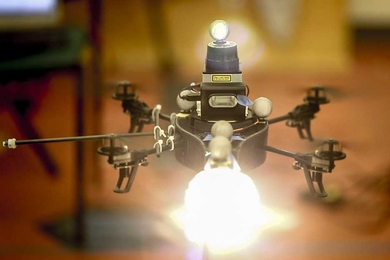
Autonomous vehicles could automatically assume the right positions for photographic lighting.
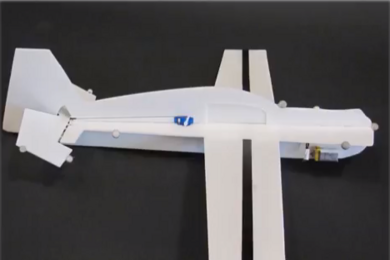
New CSAIL research suggests a future where UAVs can recharge their batteries by perching on power lines.
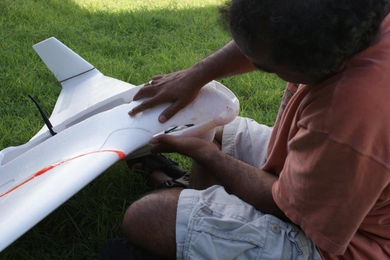
Researchers in EAPS are using small unmanned aircraft systems to better understand environmental phenomena, such as dangerous volcanic plumes.
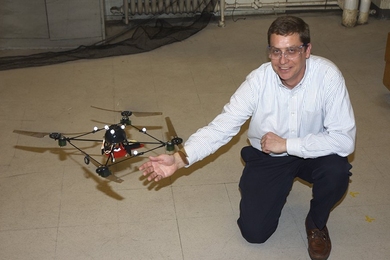
Government-sanctioned airspace provides “realistic environment” for testing unmanned aircraft systems.