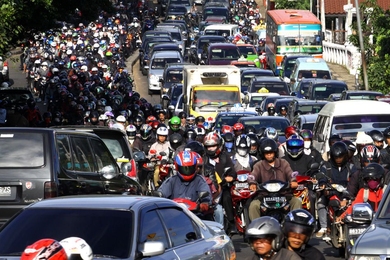
A simple solution for terrible traffic
Study: Without HOV policies, urban traffic gets much, much worse.
Study: Without HOV policies, urban traffic gets much, much worse.
$4 million grant will determine whether travel choices can be influenced by data and rewards to save energy.
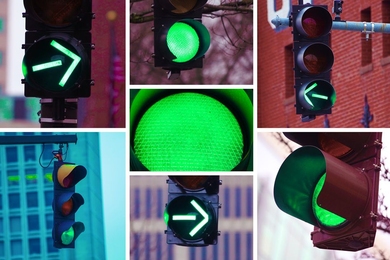
Analysis shows that smarter programming of stoplights could improve efficiency of urban traffic.
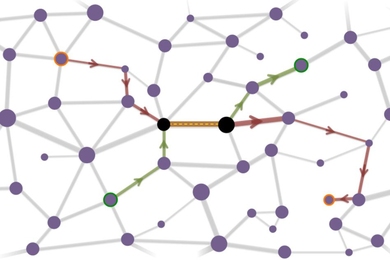
Model provides a more accurate tool for city planning, emergency evacuations, tracking disease spread.
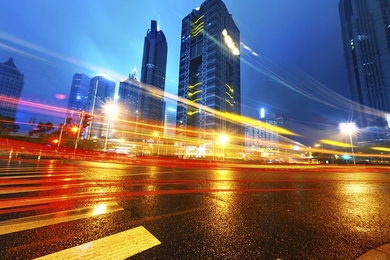
System that would wirelessly route drivers around congested roadways wins best-paper award.
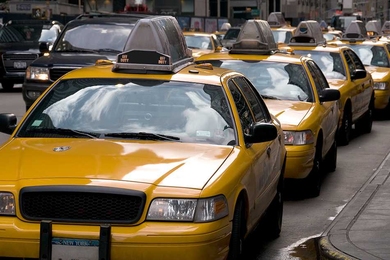
A new analytic framework enables analysis of GPS data on 150 million cab rides in New York City.
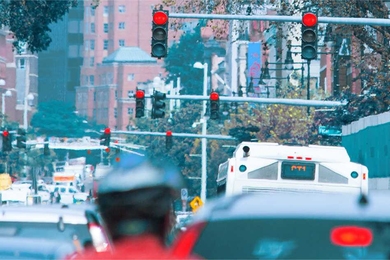
MIT researchers develop an improved system for timing of urban lights to minimize commuting times.
Professor Emilio Frazzoli co-authors paper on automated mobility-on-demand systems in Singapore
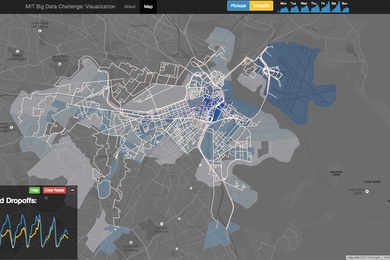
Urban transportation expertise gave team the edge to earn first- and second-place prizes in different categories.
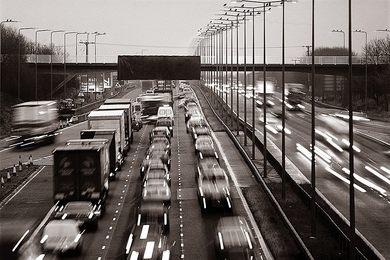
If integrated into adaptive cruise-control systems, a new algorithm could mitigate the type of freeway backup that seems to occur for no reason.
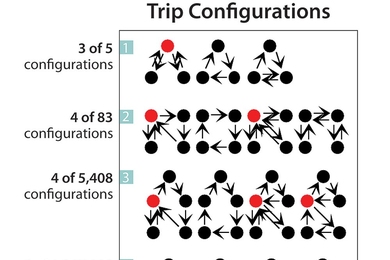
A population-level study discovers small-scale details about individuals’ choices.
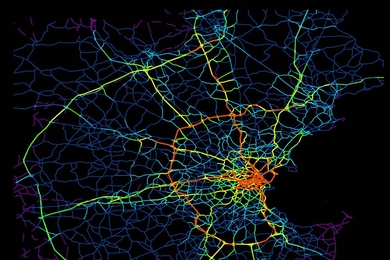
Study: Congestion can be alleviated throughout a metropolitan area by altering the trips of drivers in specific neighborhoods.
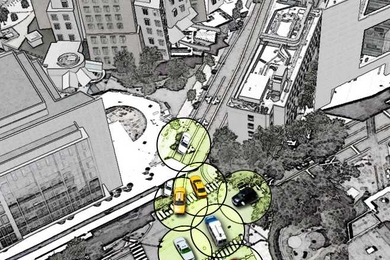
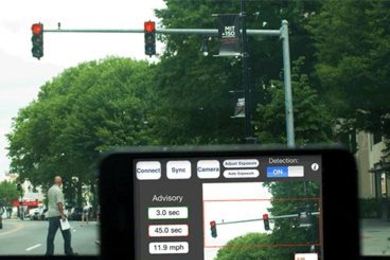
A network of dashboard-mounted phones can collect data on traffic lights and tell drivers how to avoid inefficient stopping and starting.