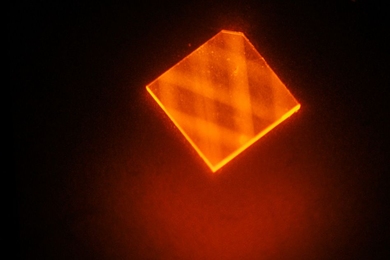
Better sensors for medical imaging, contraband detection
Magnetic-field detector is 1,000 times more efficient than its predecessors.
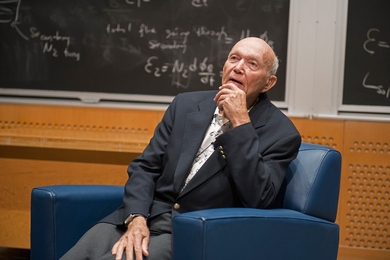
Michael Collins: “I could have been the last person to walk on the moon”
Apollo 11 astronaut speaks at MIT about his experiences leading up to the first moon landing.
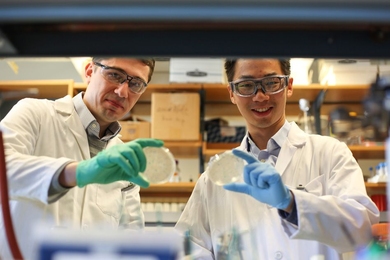
New evidence for how a rare form of liver cancer arises
MIT team finds mechanism by which exposure to vinyl chloride may produce cancerous mutations.

Engineering undergraduates characterize sulfur emissions from Hawaiian volcano
Kilauea volcanic smog study may lead to better understanding of effects on human health, infrastructure, and environment.
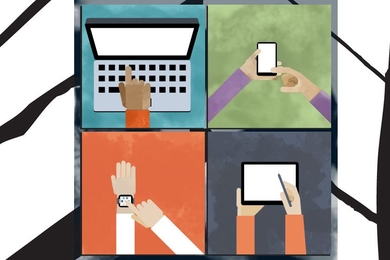
Diagnosis by keyboard
By revealing loss of motor skills, typing patterns may help to identify early onset of Parkinson’s.
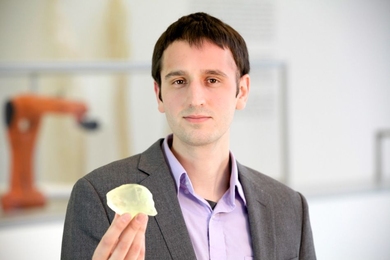
Cerebral curiosity
Graduate student Steven Keating takes a problem-solving approach to his brain cancer.
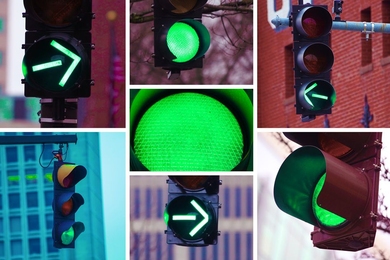
Better traffic signals can cut greenhouse gas emissions
Analysis shows that smarter programming of stoplights could improve efficiency of urban traffic.
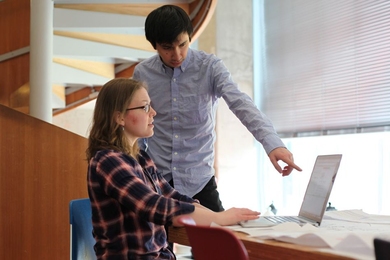
Reviewing online homework at scale
System clusters similar student programs together, so instructors can identify broad trends.
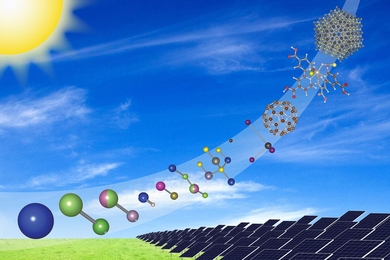
Analysis sees many promising pathways for solar photovoltaic power
New study identifies the promise and challenges facing large-scale deployment of solar photovoltaics.
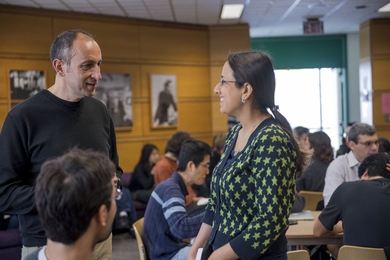
Building community for EECS postdocs
Postdoctoral scholars in electrical engineering and computer science gain new perspectives as Postdoc6 comes full cycle.
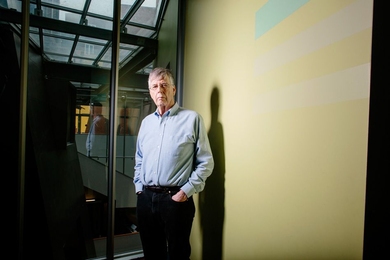
Michael Stonebraker wins $1 million Turing Award
CSAIL researcher invented core database concepts, turned many into companies.

New materials to protect the brain
MIT graduate student Bo Qing studies synthetic gels that could be used in better equipment to protect against traumatic injuries.
New kind of “tandem” solar cell developed
Researchers combine two types of photovoltaic material to make a cell that harnesses more sunlight.