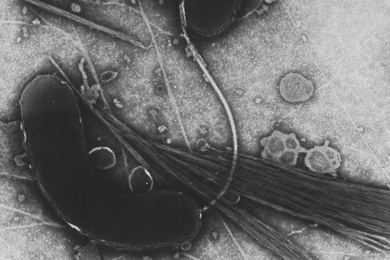
Weapon-wielding marine microbes may protect populations from foes
In some populations, natural antibiotics are produced by a few individuals whose closest relatives carry genes conferring resistance.
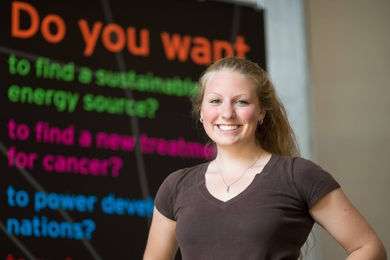
Ekaterina Paramonova: A nuclear networker
Undergraduate on a unique career track that intriguingly combines nuclear engineering and diplomacy.
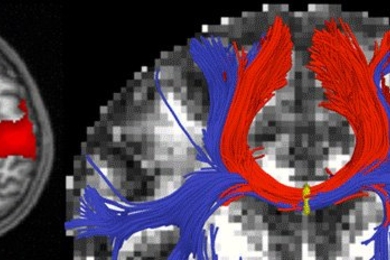
Mapping neurological disease
New algorithm can analyze information from medical images to identify diseased areas of the brain and connections with other regions.

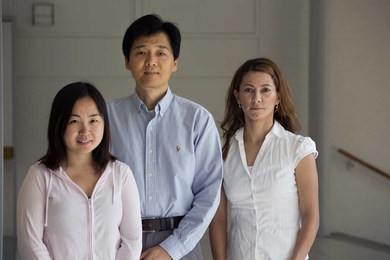
Protein impedes microcirculation of malaria-infected red blood cells
MIT-led research team finds that protein significantly reduces infected cells’ ability to squeeze through tiny channels compared to healthy cells.
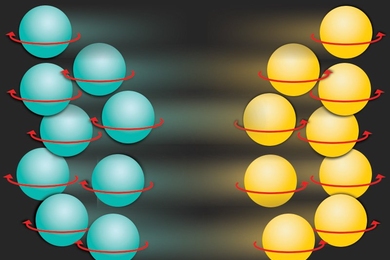
A one-way street for spinning atoms
Work correlating ultracold atoms’ spin with their direction of motion may help physicists model new circuit devices and unusual phases of matter.

Researchers engineer light-activated skeletal muscle
Technique may enable robotic animals that move with the strength and flexibility of their living counterparts.
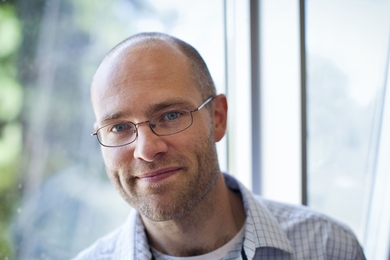
Connoisseur of chaos
Where other roboticists try to suppress the complex dynamics of mechanical systems, Russ Tedrake exploits them, to make control more efficient and versatile.
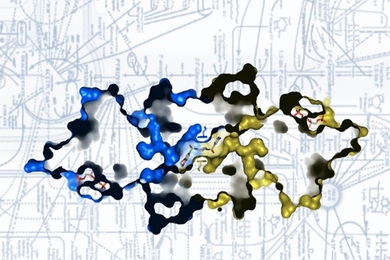
Turning on key enzyme blocks tumor formation
Drug-like molecule restores normal cell metabolism, preventing cancer cells from growing.

Making crowdsourcing easier
A new system for crowdsourcing database operations spares the user from worrying about the computational details but improves cost effectiveness.
Engineers achieve longstanding goal of stable nanocrystalline metals
Method developed by MIT researchers could produce materials with exceptional strength and other properties.
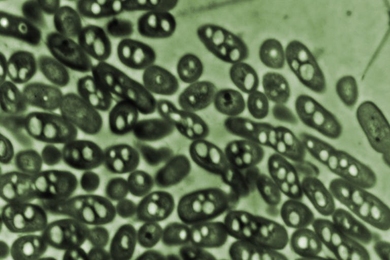
Teaching a microbe to make fuel
Genetically modified organism could turn carbon dioxide or waste products into a gasoline-compatible transportation fuel.
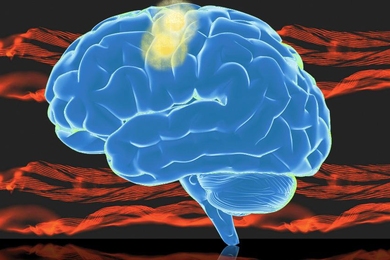
Stroke disrupts how brain controls muscle synergies
Distinctive patterns could allow doctors to develop better rehab programs for stroke patients.
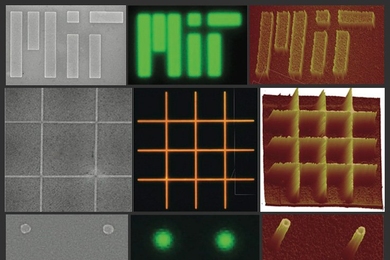
Patterning defect-free nanocrystal films with nanometer resolution
New process developed at MIT could enable better LED displays, solar cells and biosensors — and foster basic physics research.