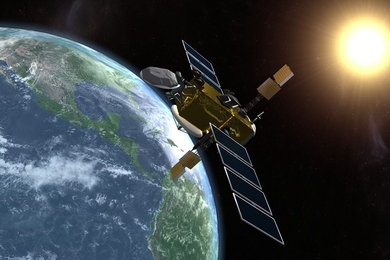
Electrospray thruster makes small satellites more capable
MIT spinout’s electric-propulsion system improves maneuverability of small satellites.
MIT spinout’s electric-propulsion system improves maneuverability of small satellites.
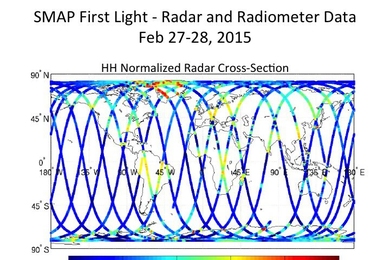
Professor of civil and environmental engineering Dara Entekhabi, science team leader of NASA's SMAP satellite, marvels at the project's first snapshot of Earth.
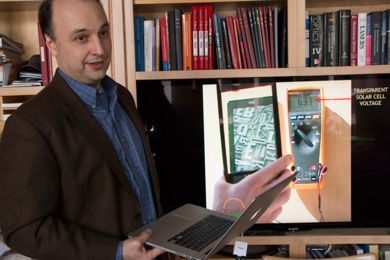
MIT Innovation Initiative aims to foster an even more consistent approach to building bridges from research findings to real world impact.
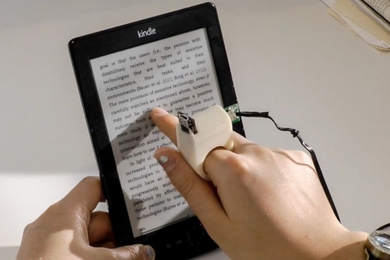
Audio feedback helps user scan finger along a line of text, which software converts to speech.
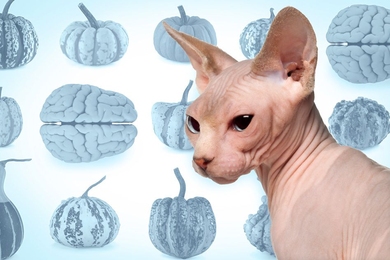
New research provides a general formula for understanding how layered materials form different surface patterns.

Preserving the fragile quantum property known as entanglement isn’t necessary to reap benefits.
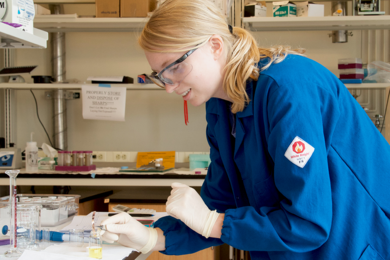
Service to faculty, collaboration with industry are hallmarks of campus-based Materials Processing Center at MIT.

Neuroscientists find that different parts of the brain work best at different ages.
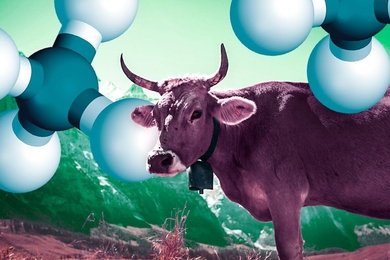
Instrument identifies methane’s origins in mines, deep-sea vents, and cows.
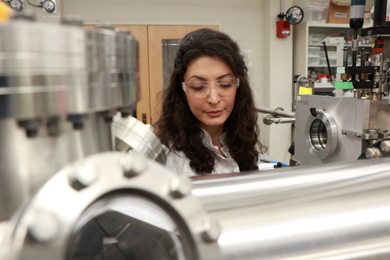
MIT graduate student Farnaz Niroui demonstrates squeezable nano electromechanical switches with quantum tunneling function.

Study explains why galaxies don’t churn out as many stars as they should.
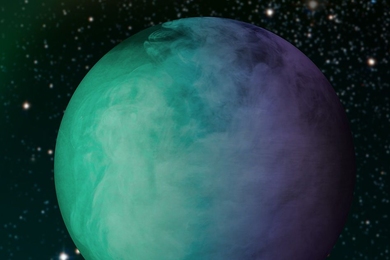
Team describes use of method to determine properties of clouds surrounding the exoplanet Kepler-7b.
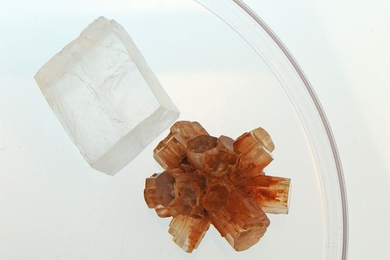
Century-old riddle about aragonite formation is unraveled by scientists’ atomistic simulation.
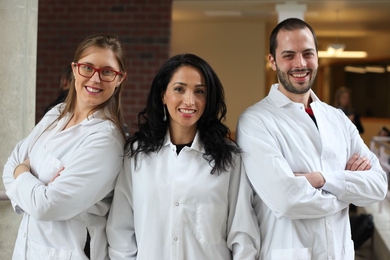
Tiny particles embedded in gel can turn off drug-resistance genes, then release cancer drugs.