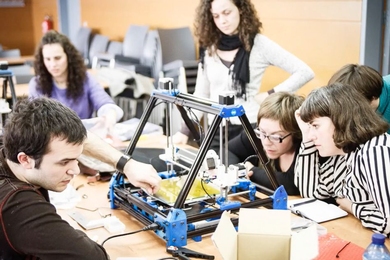
3 Questions: Neil Gershenfeld and the spread of Fab Labs
Ten years after launching Fab Lab, the project’s founder describes the program’s research, global impact.
Ten years after launching Fab Lab, the project’s founder describes the program’s research, global impact.
"2015 Energy and Climate Outlook" sees international COP21 climate conference as progress, with more work ahead.
Benefits from international regulations may double those of domestic policy.

Researchers discover how some organisms process oxalate, a molecule that can harm humans.

Best posts of the year on @MIT highlight our new humanoid robot, MIT women in engineering, an optics lesson for #TheDress, and more.
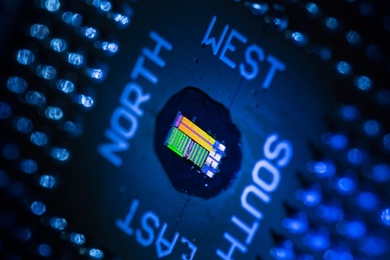
High-performance prototype means chipmakers could now start building optoelectronic chips.

Algorithms could learn to recognize objects from a few examples, not millions; may better model human cognition.

Study: Some consumers have an unerring knack for buying unpopular products.
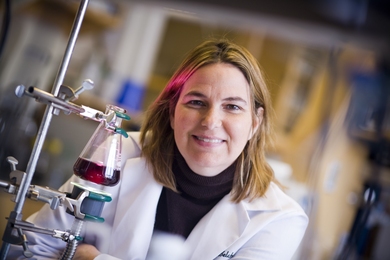
An MIT development could benefit both the environment and human health.
Stacy Springs and Shannon Stewart identify trends related to U.S. research and development funding and policy.
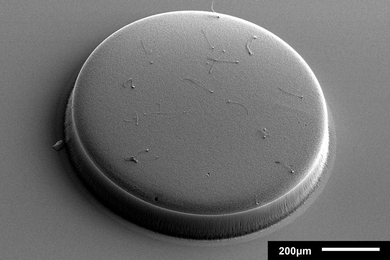
Nanotube “forest” in a microfluidic channel may help detect rare proteins and viruses.
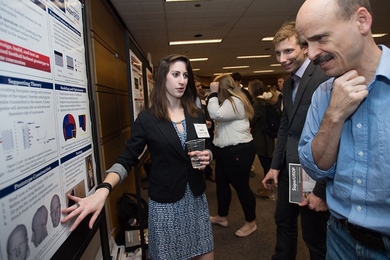
Interest is growing in brain stimulation devices — and regulating them may prove tricky.
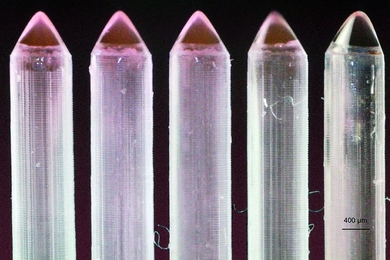
New techniques for building microelectromechanical systems show promise.