How aerosols drive the rain
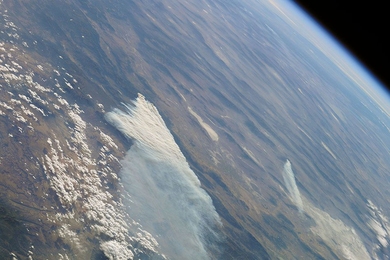
Study finds human-made aerosols exert strong influence on the geography of precipitation.
Study finds human-made aerosols exert strong influence on the geography of precipitation.
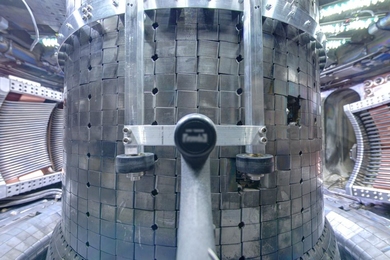
Solving a longstanding mystery, MIT experiments reveal two forms of turbulence interacting.

Brain scans may identify children who are vulnerable to depression, before symptoms appear.

Small voltage can flip thin film between two crystal states — one metallic, one semiconducting.
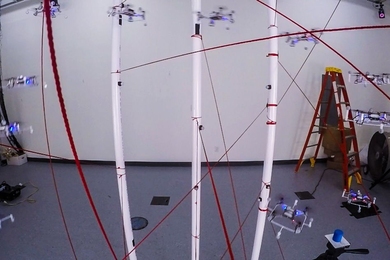
Motion-planning algorithms allow drones to do donuts, figure-eights in object-filled environments.

Michael Watts took two decades to make the 20-mile trip from suburban Hingham to tenure at MIT.

Health problems for children prevent families from moving to higher-income neighborhoods.
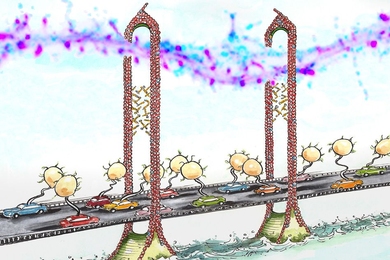
Scientists identify protein that allows brain cells to dampen their sensitivity.

Model that predicts time from gate departure to takeoff could cut airport congestion, fuel waste.
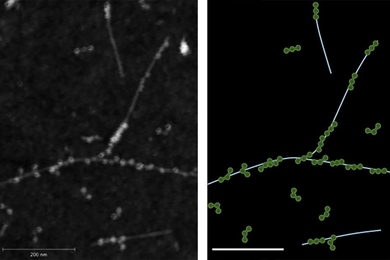
New nanosensors recognize fibrinogen; may detect insulin, other biomarkers as well.
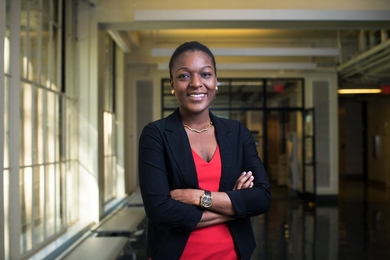
Mechanical engineering major hopes to bring hands-on learning opportunities home to Haiti.