Can today’s EVs make a dent in climate change?
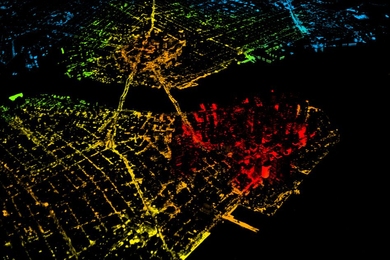
Electric vehicles can meet drivers’ needs enough to replace nearly 90 percent of vehicles now on the road.
J-WAFS Solutions program awards $750,000 in commercialization grants
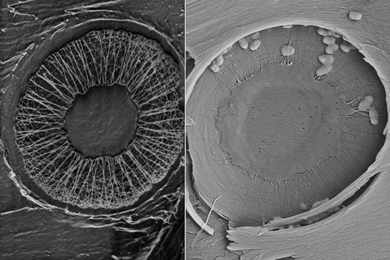
Four new projects and one renewal receive $150,000 in funding for 2016-2017.
Needles that hit the right mark
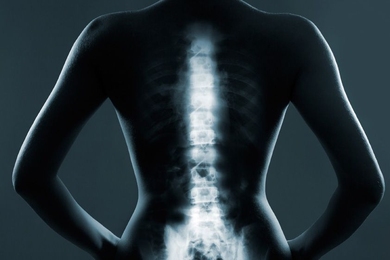
New sensor could help anesthesiologists place needles for epidurals and other medical procedures.
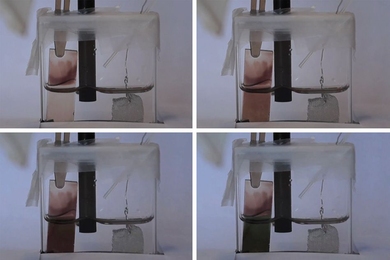
MIT develops self-shading windows
New system can rapidly switch glass from transparent to dark — and keep it that way without power.
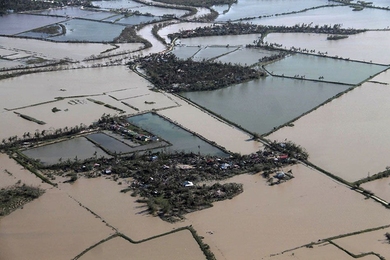
Assessing crop damage after extreme weather
New method to track the impact of typhoons and other natural disasters could enable more precise, timely delivery of food aid.
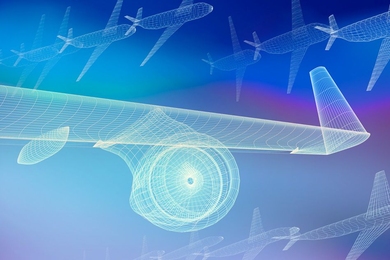
User-friendly language for programming efficient simulations
New language can speed up computer simulations 200-fold or reduce the code they require by 90 percent.
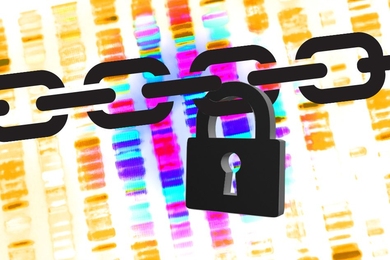
Protecting privacy in genomic databases
System helps ensure databases used in medical research will not leak patients’ personal information.
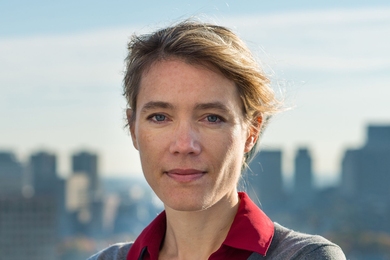
Reducing emissions, improving technology: A mutually reinforcing cycle
An MIT study on the connection between technology development and emissions-reduction policies informs Paris climate negotiations.
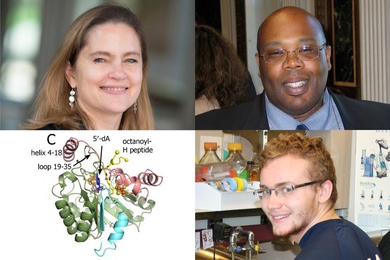
Research by MIT undergrad helps crack chemical mystery
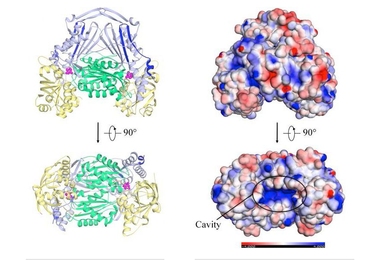
Study finds enzyme “cannibalizes” itself to perform an essential reaction.
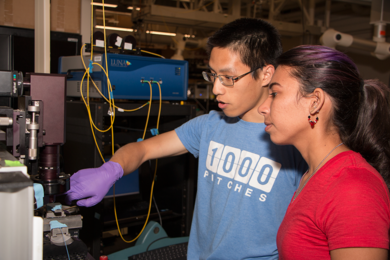
Chemical sensing at telecom wavelengths
Summer Scholar Ashley Del Valle Morales probes new a silicon carbide system in the MIT Microphotonics Center.

Toward practical quantum computers
Built-in optics could enable chips that use trapped ions as quantum bits.

Study finds brain connections key to reading
Pathways that exist before kids learn to read may determine development of brain’s word recognition area.
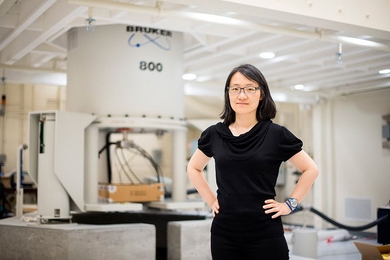
Analyzing dynamic proteins
Chemistry professor Mei Hong studies the structures of proteins embedded in cell membranes.