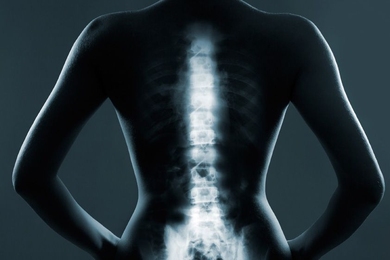
Needles that hit the right mark
New sensor could help anesthesiologists place needles for epidurals and other medical procedures.
New sensor could help anesthesiologists place needles for epidurals and other medical procedures.
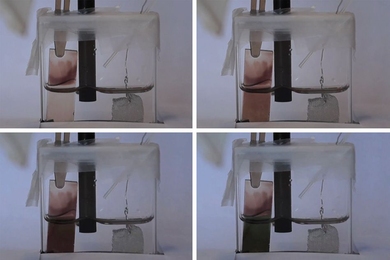
New system can rapidly switch glass from transparent to dark — and keep it that way without power.

New method to track the impact of typhoons and other natural disasters could enable more precise, timely delivery of food aid.
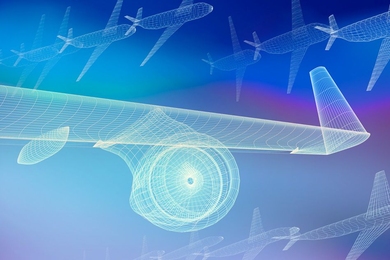
New language can speed up computer simulations 200-fold or reduce the code they require by 90 percent.
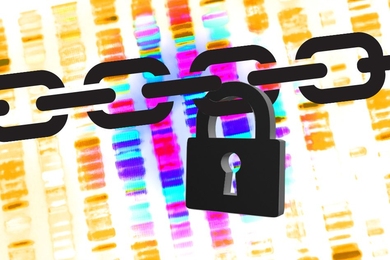
System helps ensure databases used in medical research will not leak patients’ personal information.

An MIT study on the connection between technology development and emissions-reduction policies informs Paris climate negotiations.
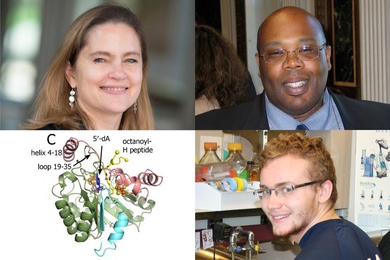
Study finds enzyme “cannibalizes” itself to perform an essential reaction.
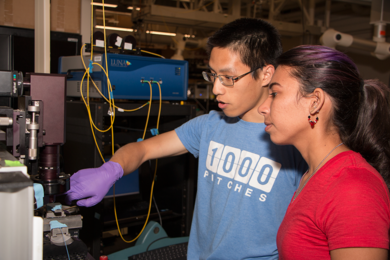
Summer Scholar Ashley Del Valle Morales probes new a silicon carbide system in the MIT Microphotonics Center.

Built-in optics could enable chips that use trapped ions as quantum bits.

Pathways that exist before kids learn to read may determine development of brain’s word recognition area.
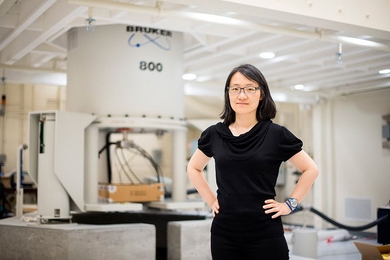
Chemistry professor Mei Hong studies the structures of proteins embedded in cell membranes.

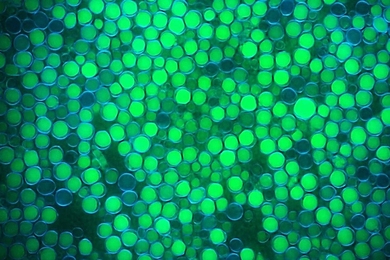
Approach could lower cost and eliminate need for antibiotics during biofuel production.
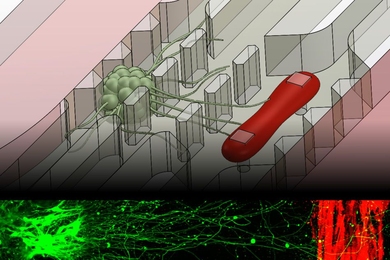
New chip could help test drugs for ALS, other neuromuscular disorders.
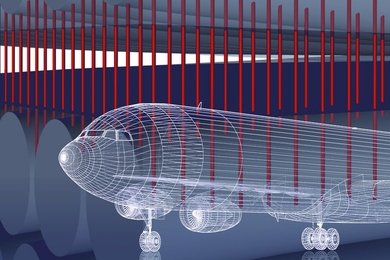
Method to reinforce these materials could help make airplane frames lighter, more damage-resistant.