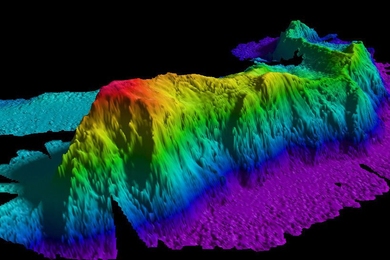
Underwater mountains help ocean water rise from abyss
Turbulence from seafloor topography may explain longstanding question about ocean circulation.

Artificial data give the same results as real data — without compromising privacy
New approach can help organizations scale their data science efforts with artificial data and crowdsourcing.
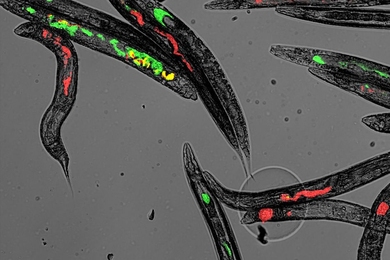
Microbiome diversity is influenced by chance encounters
Study finds a role for randomness in the composition of the gut’s microbe populations.
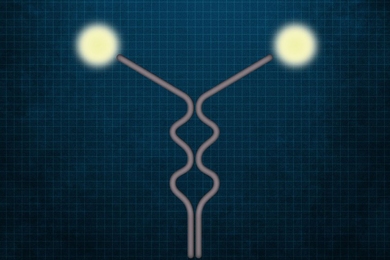
OLYMPUS experiment sheds light on structure of protons
Seven-year study indicates two photons, not one, are exchanged in electron-proton interactions.
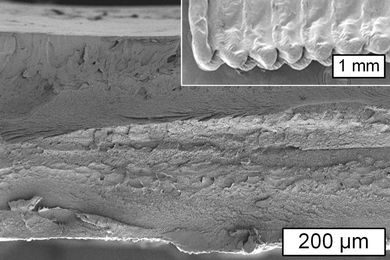
3-D printing with cellulose
World’s most abundant polymer could rival petroleum-based plastics as source of printing feedstock.
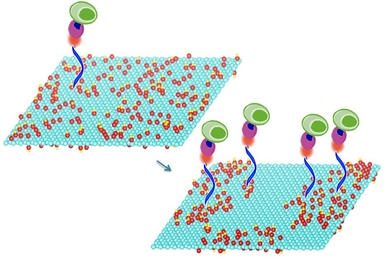
Graphene sheets capture cells efficiently
New method could enable pinpoint diagnostics on individual blood cells.
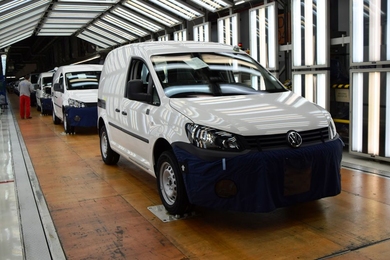
Study: Volkswagen’s excess emissions will lead to 1,200 premature deaths in Europe
Countries hit hardest by automaker’s emissions scandal include Germany, Poland, France, and Czech Republic.

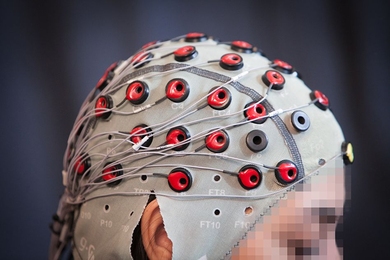
Precise technique tracks dopamine in the brain
New sensor could reveal the neurotransmitter’s role in learning and habit formation.
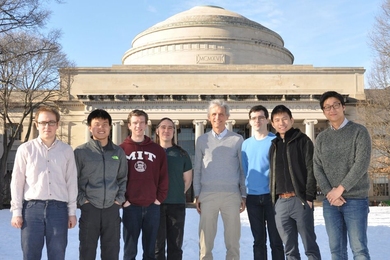
MIT researchers create new form of matter
Supersolid is crystalline and superfluid at the same time.

The corporate debt trap
Study: Firms that owed more also laid off more workers during the 2007-2009 recession.
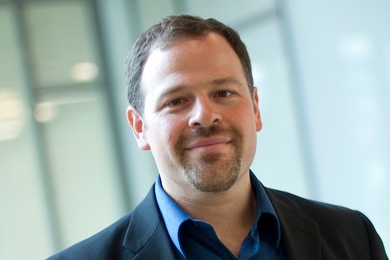
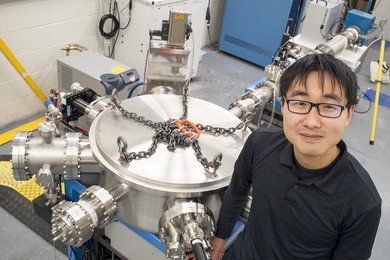
Hong Sio: On the road for fusion
Ph.D candidate enjoys a range of fusion research from coast to coast.
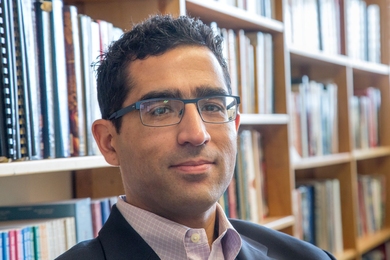
3 Questions: How history helps us solve today's issues
Professor Malick Ghachem discusses how historians contribute to problem-solving by identifying the roots and sources of a problem.